If you or someone you love experienced abuse by a religious leader, you are not alone. Tens of thousands of survivors across the United States have come forward to seek justice through a clergy abuse lawsuit. These legal actions hold institutions accountable and help survivors get the resources they need to heal. This guide explains your legal rights, the steps to file a claim, and how to connect with the right legal support.
You do not need to navigate this alone. Counsel Hound connects survivors with proven, vetted attorneys who specialize in institutional abuse cases. Our partner attorneys work on a contingency basis, meaning you pay nothing unless they win your case.
Clergy Abuse Lawsuit: Understanding Clergy Abuse and Legal Rights
Clergy abuse happens when a religious leader, such as a priest, minister, or other church official, uses their position of trust to exploit a minor or vulnerable adult. This is a form of institutional abuse. The power imbalance between clergy members and their congregations makes it especially harmful. In the United States alone, more than 6,000 Catholic priests have been credibly accused of child sexual abuse.
What makes clergy abuse an institutional problem
These cases are not just about one person. They often involve a system that allowed the abuse to happen or stay hidden. Church leaders sometimes moved accused clergy to new locations without alerting the community. This pattern of protection over protection of children is what makes a clergy abuse lawsuit different from other types of personal injury claims. Survivors can hold both the individual and the institution liable.
Your legal rights as a survivor
Every survivor of clergy abuse has the right to seek justice in civil court. You can file claims for damages related to medical costs, therapy, lost income, and pain and suffering. Many states now have laws that make it easier for survivors to bring claims, even if the abuse happened many years ago. Finding an experienced clergy abuse attorney who knows the law in your state is the most important step you can take. Counsel Hound uses a founder-led evaluation to match you with attorneys who have a proven track record in these cases.
Why pursuing a legal claim matters
Beyond financial recovery, a lawsuit sends a clear message. It tells religious institutions that they must take responsibility for their actions. Many survivors say that the act of coming forward helps them reclaim a sense of power and control. The legal system exists to provide recourse, even when confronting powerful organizations.
Statute of Limitations for Clergy Abuse
A statute of limitations is a law that sets a time limit on when you can file a lawsuit. For many years, these limits were a major barrier for survivors of clergy abuse. Victims often needed years or decades to process what happened and feel ready to come forward. Fortunately, many states are now changing their laws to give survivors more time.
How statutes of limitations vary by state
Each state sets its own rules for how long a survivor has to file a claim. Some states have eliminated the time limit entirely for child sexual abuse cases. Others have extended the window significantly. For example, Kentucky now allows civil claims for childhood sexual abuse to be brought within 30 years. Maryland recently passed legislation to extend its statute of limitations, giving more survivors a path to justice. These changes reflect a growing public understanding of the long-term impact of childhood trauma.
Focus on Alabama, Florida, and Texas
| State | Civil Statute of Limitations | Notes |
|---|---|---|
| Alabama | No specific revival window | Speak with a lawyer as soon as possible. |
| Florida | Until survivor turns 37+ | Statute eliminated for felony sexual battery cases. |
| Texas | Until age 51 + 2-year revival window | Two-year window for older claims that had expired. |
| Kentucky | 30 years from claim | Civil claims for childhood sexual abuse within 30 years. |
| Maryland | Extended per recent law | New legislation to expand the filing window. |
If you live in the South or Southeast, here is what you need to know about your state’s laws. Alabama does not have a specific revival window for old clergy abuse claims, so it is important to speak with a lawyer as soon as possible. Florida has eliminated the statute of limitations for felony sexual battery cases, and civil claims can be filed until the survivor turns 37 or later under certain conditions. Texas allows survivors to file civil claims until age 51, and has also created a two-year revival window for older claims. These rules can change, so state-specific legal advice is crucial.
The Pennsylvania Grand Jury Report
In 2018, a Pennsylvania grand jury released a landmark report that found at least 300 priests had sexually abused more than 1,000 children over a 60-year period. This report sparked reforms across the country. Many states introduced or passed laws to extend their statutes of limitations or create temporary windows for old claims. This moment marked a turning point in the fight for survivor justice.
Recent Clergy Abuse Settlements and Verdicts
The scale of legal action against religious groups shows how many people have been hurt by clergy abuse. Over the last few decades, the Catholic Church has paid out more than $3 billion to settle claims of abuse in the United States. This figure comes from NPR reports on the growing cost of the crisis. These payouts cover thousands of cases where survivors came forward to seek justice. While money cannot fix the past, these funds help survivors pay for care and find closure.
Major settlements in California
Recent cases in California highlight the large cost of these legal battles. In 2024, the Archdiocese of Los Angeles agreed to a record $880 million settlement with nearly 1,400 survivors. More recently, in June 2026, the San Francisco Archdiocese agreed to pay $395 million to resolve over 500 lawsuits. These sums show that courts and church leaders now take these claims seriously. Filing a clergy abuse lawsuit is often the only way for survivors to hold powerful groups accountable.
Data on the scope of the crisis
Studies have helped show just how wide the abuse crisis spread. Research from the John Jay College of Criminal Justice has looked at thousands of abuse claims over several decades. This data helped the public understand the need for better child safety rules. Most cases end in a settlement before they ever reach a court trial. Whether a case settles or goes to a jury, the goal is to get a fair result for the person who was harmed.
Holding groups accountable
A lawsuit does more than just win money for survivors. It also forces groups to change how they act. Many settlements now include rules that require the church to release names of accused priests and set up new safety steps. This openness is a key part of the legal steps after an injury that involves a large group. By coming forward, survivors help protect others from facing the same pain in the future.
How to File a Clergy Abuse Claim Confidentially
Taking the first step to report abuse is often the hardest part of the work. For many survivors, the fear of public view or pushback can be a big wall. But filing a clergy abuse lawsuit does not mean you have to lose your privacy. Law teams now use safe ways to hide your name while they seek justice from the church or other groups. You can start this path by taking a few clear steps to ensure your case is handled with the care it needs.
Gathering facts and records
The base of any strong claim is proof. You should try to collect any items that link you to the place where the harm took place. This might include school books, church papers, or old photos. While you may not have direct proof of the act, these records show you were under the care of the church leader at that time. Keeping a private log of your memories and how the harm has changed your life can also serve as key proof for your legal team.
Seeking expert support
Before you start the legal case, it is good to have help. Many survivors find that speaking with a pro who knows trauma can help them manage the stress of a suit. Groups like the Rape, Abuse & Incest National Network (RAINN) give private help for those who have been hurt. Having a support system lets you focus on your health while your lawyer handles the hard parts of the clergy abuse lawsuit.
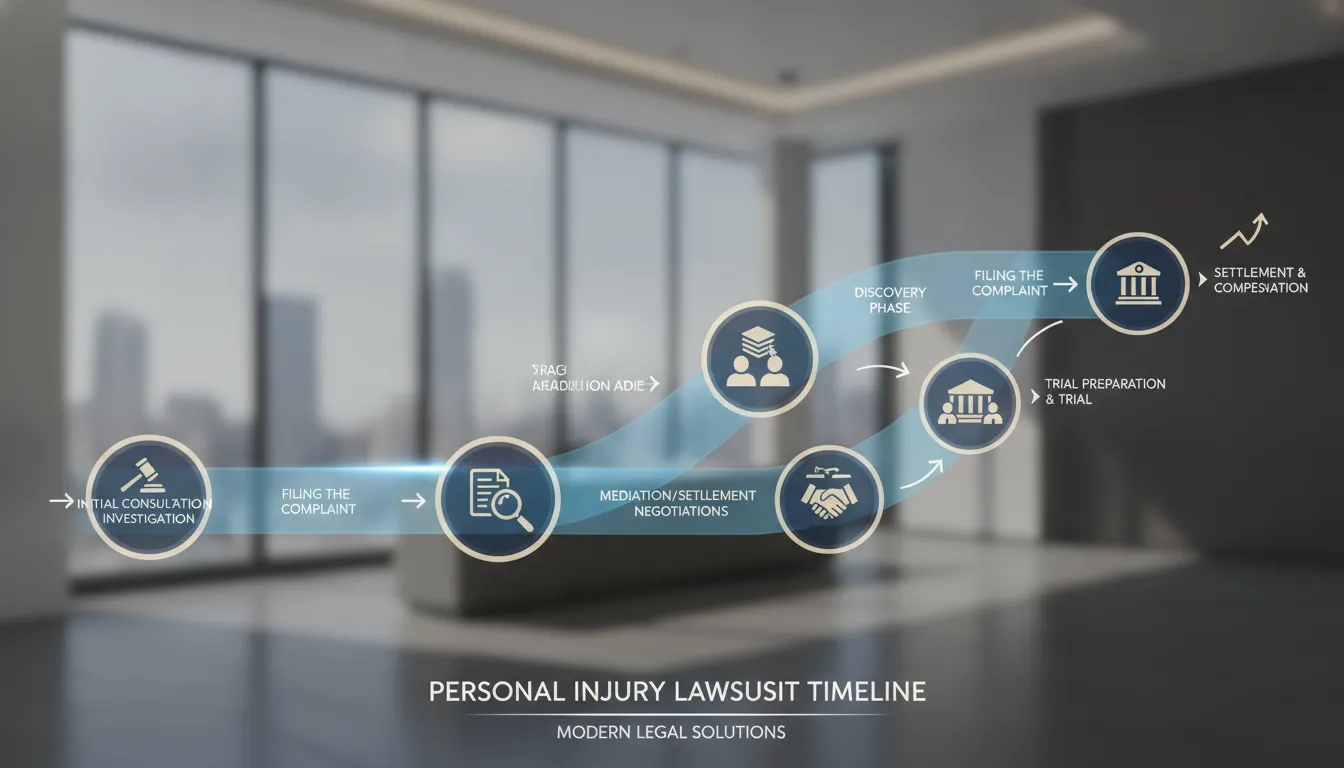
Steps to file your claim
- List your history. Collect records that place you at the church or school to build a clear timeline of events.
- Get help. Reach out to a therapist or a group like the Victim Witness Assistance Unit for help.
- Find a matching service. Use a trusted site to find a vetted lawyer who has won clergy abuse cases before.
- Have a private talk. Speak with a lawyer in a safe spot to talk about the facts of your case with no cost or risk.
- Start the case. Once you are ready, your lawyer will file the papers while working to keep your name out of the public eye.
Ensuring privacy and low cost
One common worry for survivors is the cost of legal help. Most top firms that handle these cases work on a “no win, no fee” plan. This means there are no costs upfront, and you pay no fees until you win your case. To get started, you can schedule a free consultation to learn about your rights. During this talk. You can ask how the firm plans to use “Jane Doe” or “John Doe” filings to keep your name off the public record while the case moves forward.
Supporting Survivors: Essential Victim Resources
Healing from clergy abuse is a process that takes time. You do not have to go through it alone. There are organizations across the country built to support survivors. These groups offer counseling, legal guidance, and peer support in a safe and confidential setting.
National support organizations
The Survivors Network of those Abused by Priests (SNAP) is the largest support group for clergy abuse survivors in the world. They offer peer support groups, advocacy, and referrals to therapists who understand trauma. RAINN (Rape, Abuse and Incest National Network) operates a 24/7 hotline at 1-800-656-HOPE. Their online chat service is private and free. Childhelp USA also runs a national abuse hotline at 1-800-422-4453 with trained counselors available around the clock.
Mental health and counseling resources
The emotional toll of clergy abuse can last for years. Symptoms like anxiety, depression, and post-traumatic stress disorder are common among survivors. Evidence-based therapies such as trauma-focused cognitive behavioral therapy (TF-CBT) and eye movement desensitization and reprocessing (EMDR) can help. Many states have victim compensation funds that cover therapy costs for abuse survivors. A lawyer can help you access these funds as part of your clergy abuse lawsuit.
Legal advocacy and elder abuse resources
For survivors who are older or caring for an elderly family member who experienced abuse, additional legal options exist. Counsel Hound also provides connections for elder abuse legal options. Many of the same attorneys who handle clergy abuse cases also work with survivors of elder institutional abuse. And the contingency fee model applies to those cases as well.
Frequently Asked Questions About Clergy Abuse Lawsuits
Can the Catholic Church be sued?
Yes. In many cases, survivors can sue the Catholic Church as an institution, as well as individual clergy members. Courts have ruled that religious organizations can be held liable when they knew about abuse and failed to take action. Many dioceses have paid billions in settlements, and some have filed for bankruptcy as a result of the volume of claims.
Can you sue a priest for abuse?
Yes. A priest or clergy member who committed abuse can be named as a defendant in a civil lawsuit. In many cases, survivors sue both the individual and the institution that employed or supervised them. An experienced clergy abuse lawyer can explain who may be liable in your specific situation.
What is the history of clergy abuse lawsuits?
Reports of clergy sexual abuse date back decades, but widespread litigation began in the 1980s and 1990s. The 2002 Boston Globe investigation exposed systematic cover-ups by the Catholic Church, leading to a wave of lawsuits. Since then, more than $3 billion has been paid to survivors, and many states have reformed their laws to make it easier for victims to seek justice.
How much has the Catholic Church paid in abuse lawsuits?
The Catholic Church has paid more than $3 billion to survivors of clergy sexual abuse in the United States alone. Major settlements include $880 million by the Archdiocese of Los Angeles and $395 million by the San Francisco Archdiocese. These funds help survivors pay for therapy, medical care, and other needs.
How many priests have been accused of child sexual abuse?
More than 6,000 Catholic priests in the United States have been credibly accused of child sexual abuse. Thousands of cases have been reported across all 50 states, spanning several decades. Many survivors continue to come forward as states extend their statutes of limitations.
Ready to Take the Next Step?
You do not have to carry this burden alone. Counsel Hound connects survivors of clergy abuse with experienced, vetted attorneys who have a proven track record in institutional abuse cases. Every attorney in our network works on a contingency basis, which means you pay nothing unless they win your case. Your consultation is always free, confidential, and comes with no obligation.
Schedule a free consultation today to learn how we can help you find the right legal representation for your clergy abuse lawsuit.