Breaking decades of silence to hold powerful religious institutions accountable takes immense courage. This guide helps you understand your legal options.
A clergy abuse lawsuit allows survivors to hold religious organizations accountable for the harm caused by priests or deacons. These civil claims focus on systemic failures, such as poor hiring or the hiding of abuse. By filing a claim, survivors can seek money for medical bills, therapy, and emotional pain. This legal path also forces institutions to follow better safety rules. Most firms handle these cases with no fees until we win. Recent data shows the scale of this problem. A USCCB report found that 4,392 priests and deacons were accused of abusing minors between 1950 and 2002. Legal action is a powerful way to reclaim your voice. It helps ensure that these failures never happen to another child.
Moving forward with a claim is a big choice that requires clear facts. Understanding Clergy Abuse Lawsuits and Institutional Accountability is the first step in learning how the legal system works for survivors. We provide the help you need to handle these cases with dignity and privacy. The path begins with a look at institutional duty.
Understanding Clergy Abuse Lawsuits and Institutional Accountability
A clergy abuse lawsuit is a civil case brought by a survivor. These cases do more than just punish the person who did the harm. They aim to hold large groups like churches or schools at fault. For many years, these groups kept secrets that let abuse happen. Today, the legal system helps survivors bring these secrets to light. This step helps people get the help they need to heal. It also forces groups to change their ways to protect others in the future.
How civil claims work
In a civil case, the goal is not to put someone in jail. Instead, it is to provide support for the harm caused. This often comes in the form of money to pay for health care. These lawsuits look at how a group failed to protect a child. They ask if the group knew about the danger but did nothing. This is a key part of finding the truth for those who suffered. It allows the facts to be seen by the public for the first time.
The scale of this issue is very large. In the United States, thousands of people have come forward. Between 1950 and 2002, more than 4,390 priests and deacons faced claims of abuse. This fact comes from a major report on church abuse. More recent data shows even higher numbers. Experts say over 6,000 priests in the U.S. now have trusted claims against them. These figures show why strong legal action is so vital for change. Each case helps build a clearer picture of the group-wide failures that took place.
Holding groups at fault
Many survivors want to know why the group did not stop the abuse. Lawsuits can force a church to share its files. These files often show a pattern of moving abusers to new places. When a group hides the truth, it puts more children at risk. A lawsuit can stop this cycle by making the group face the facts in court. This pressure often leads to new rules to keep kids safe. It also helps to ensure that no one else has to go through the same pain.
Abuse by people in power often involves a big shift in trust. This is known as a power imbalance. The Centers for Disease Control and Prevention notes how this trust can be used to cause harm. When a leader uses their role to hurt a child, the whole group must answer for it. This is why legal claims focus on the group as a whole. It ensures that those in charge cannot look the other way. This level of blame is needed to create a safe path forward for everyone.
The path to justice
Going to court is a brave step. It allows a survivor to tell their story in a safe way. The legal path can be long, but it offers a chance for real change. It forces big groups to admit the pain they caused. This can be a vital part of the healing step. Many survivors find that taking action helps them speak out after years of silence. It gives them a sense of power back that was taken from them as children.
Childhood trauma can have a deep effect on a person’s life. Research from the National Institutes of Health shows these effects can last for a long time. This is why getting help early is so key. A lawsuit can provide the funds needed for long-term care. It also sends a message that abuse will not be ignored. By coming forward, survivors help protect other kids from similar harm. Their courage can pave the way for a safer world for all children.
State Statutes of Limitations for Child Sexual Abuse Claims
Every state has laws that set a time limit for starting a civil legal case. These laws are called statutes of limitations. In the past, these limits were often extremely short, which created significant barriers for survivors. Many survivors of childhood abuse do not feel safe or emotionally ready to come forward until years or even decades later. By the time they are ready, their opportunity to file a lawsuit may have passed. However, in recent years, many states have enacted major legislative reforms to extend or remove these limits, expanding legal rights for clergy abuse survivors.
Recent Changes and Key Legal Nuances in State Laws
State legislatures increasingly recognize that trauma can prevent survivors from speaking out immediately. Consequently, multiple states have lengthened their civil filing windows or eliminated them entirely for certain severe offenses. However, these laws contain critical nuances. Particularly regarding retroactivity (whether a new law can revive a claim that had already expired under old deadlines) and different rules based on the victim’s age at the time of the abuse.
In California, for example, the legislature passed AB 218, which amended California Code of Civil Procedure Section 340.1. This law allows survivors to bring claims of childhood sexual abuse until they reach age 40. Or within five years of discovering the psychological injury or illness caused by the abuse. It also created a temporary lookback window that allowed previously expired claims to be revived, providing an essential pathway to justice for older survivors.
Comparing State Civil Filing Deadlines
Because civil filing deadlines vary dramatically by state, it is critical to understand the specific rules that apply to your situation. Deadlines are highly fact-specific and can change based on the type of defendant. Such as an individual versus an institution, the type of claim, the victim’s age, and when the abuse was discovered. Note: Survivors must always consult a licensed attorney to evaluate their specific case, as these deadlines are subject to complex legal interpretations and retroactivity limits.
| State. | Civil Age Limit / Deadline. | Governing Statute & Key Nuances. |
|---|---|---|
| Alabama. | Up to age 25 (severe restrictions). | Under Alabama Code Section 6-2-8, childhood victims have 6 years after turning 19 (the age of majority) to file a civil claim for sexual offenses. Alabama does not recognize a delayed discovery rule or repressed memory extensions for civil child abuse. And claims are subject to an absolute 20-year repose limit from the date of the injury. Proposed legislation to expand this to age 55 (such as HB 120 / SB 21) has been introduced but is not current law. |
| Florida. | No limit (under 16); or up to age 25 / discovery (otherwise). | Under Florida Statutes Section 95.11(9), enacted on July 1, 2010. There is no statute of limitations for civil sexual battery claims if the victim was under 16 at the time of the abuse. For other childhood sexual abuse claims, survivors have 7 years after turning 18 (age 25) or 4 years from discovery or leaving dependency. Crucially, the Florida Supreme Court ruled in R.R. v. New Life Community Church (2020) that the legislature cannot constitutionally revive civil claims that were already time-barred before the 2010 law took effect, meaning older claims remain barred. |
| Texas. | Up to age 48 (with retroactivity limits). | Under Texas Civil Practice and Remedies Code Section 16.0045, as amended by HB 3809 in 2019, survivors of childhood sexual assault or abuse have 30 years after turning 18 to file a civil suit. However, this extended limit applies only to claims that accrued on or after September 1, 2019. Or claims that were not already time-barred under the prior 15-year limit (age 33) as of that date; it does not revive older, expired claims. |
| California. | Up to age 40 (or older with discovery). | Under California Code of Civil Procedure Section 340.1 (AB 218), survivors have until age 40, or 5 years from discovery, to file civil claims. AB 218 also featured a temporary retroactivity lookback window to revive previously expired claims against institutional defendants. |
Understanding Lookback Windows
Some states utilize lookback windows, which are specific statutory periods during which older civil cases can be filed even if the original statute of limitations has long passed. These windows typically open for a defined duration, such as one or two years, to provide a window of opportunity for survivors of institutional cover-ups. Because lookback legislation is constantly being introduced and challenged in courts nationwide. Checking with an experienced legal team is the most reliable way to find out if your state currently has an open window or plans to enact one.
Recent Clergy Abuse Settlements and Verdicts
A clergy abuse lawsuit is often the only way for survivors to find the truth. For a long time, many church groups kept abuse a secret. Now, more survivors are coming forward to hold these groups accountable for their harm. These legal cases have led to major changes in how church groups act today.
Billions in Global Payouts
The scale of the harm done by church leaders is wide. Reports show that the Catholic Church has paid out more than $3 billion to abuse survivors globally. This sum shows the depth of the pain many people have faced. These funds help survivors pay for care and find justice after years of silence.
Many survivors look for legal options for institutional abuse to start their own path. These cases do more than just give money to those who were hurt. They force church groups to look at their past and change their ways. For more data, you can read the USCCB report on these claims.
State Reports Reveal Deep Harm
Some of the most shocking facts came from a grand jury report in Pennsylvania. The report found that at least 300 priests abused more than 1,000 children over sixty years. This report showed how deep the secrets went within the church. It moved many states to change their laws and give survivors more time to sue.
Legal teams also help older survivors who faced harm in care homes. If you need help with these cases, you can visit our page on elder abuse to learn more. These reports and new laws are key tools for anyone who wants to hold a group accountable for past harm.
Major Results in Washington State
In the Pacific Northwest, survivors have also seen big results in court. Cases against the Seattle Archdiocese led to more than $120 million in settlements and verdicts. This money came from cases all over Western Washington. These results show that courts take the harm done by clergy very seriously.
One case in Seattle led to a payout of more than $12.1 million. A group of men faced abuse as children at O’Dea High School and Briscoe Memorial School. Large awards like these send a clear message to all church groups. They must keep children safe. You can learn more about these cases at PCVA Law.
How to File a Clergy Abuse Lawsuit Confidentially
Taking legal action after trauma is a brave step. Many survivors worry about their privacy when they start a clergy abuse lawsuit. You can hold the church or school accountable while keeping your identity safe. The legal system has ways to protect your name and story from the public eye.
Protecting your privacy
Courts often let survivors file cases using a pseudonym, such as “John Doe” or “Jane Doe.” This keeps your real name out of public court records. You can share your story with a judge or jury without the whole world knowing. Legal teams also use gag orders to stop the other side from talking about the case to the press.
Your privacy is the top goal during this process. A clergy abuse lawsuit can be handled with care. You do not have to face the public alone to get justice. Your lawyer will work to keep your file sealed and your personal life private.
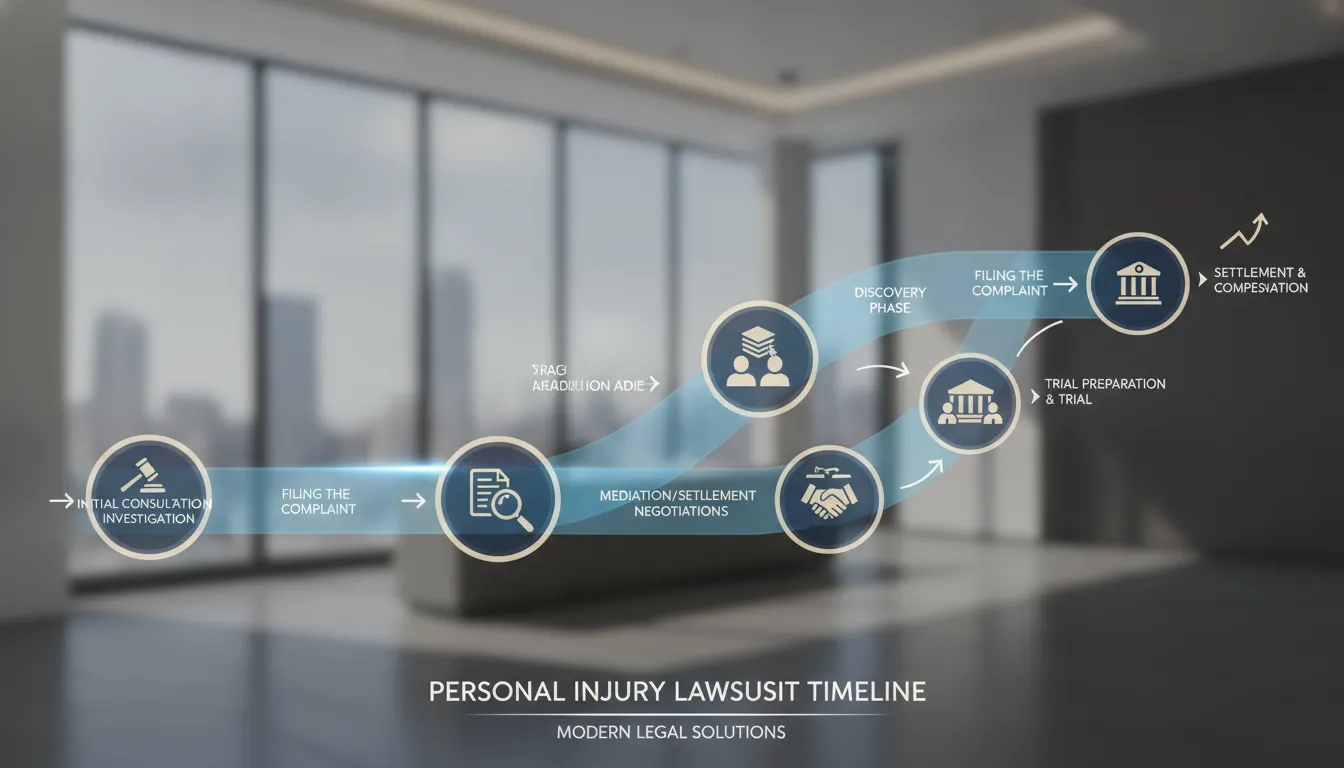
Steps to start your claim
- Talk to a legal expert. The first step is a private talk with a lawyer. They will listen to your story and tell you about your legal rights for clergy abuse survivors.
- Collect what you have. You do not need perfect proof to start. Your team will help find old records, photos, or letters that help your case.
- File your case in court. Your lawyer files the papers to start the suit. They can ask the court to let you use a fake name to stay safe.
- The discovery phase. Both sides trade facts and info. Your lawyer will shield you from harsh or prying questions from the church.
- Reach a settlement or go to trial. Many cases end in a private deal before a trial starts. This helps you get funds without a public fight.
Helpful legal guidance
You need a team that knows how to handle sensitive cases. Many groups have faced these claims before. For example, the USCCB reported that over 4,000 priests were accused of abuse between 1950 and 2002. This shows that you are not alone in seeking truth.
We connect you with lawyers who work on a contingency fee model. This means there are no fees until we win your case. You can focus on healing while your team handles the hard legal work for you.
Finding a Compassionate Clergy Abuse Lawyer
Choosing the right legal team is a vital step toward healing and justice. Survivors often feel alone or ashamed, which can make it hard to ask for help (AbuseLawsuit). It is important to find a partner who knows the weight of a clergy abuse lawsuit and treats your story with deep respect.
How to find a trusted clergy abuse lawyer
You should look for a lawyer who focus on abuse cases and has a strong record. A good lawyer will use a trauma-informed plan to keep you safe during the case. It is helpful to find a trusted clergy abuse lawyer who can handle complex rules while they keep your data private.
Experience with old evidence is also key. Many survivors do not report abuse until they are adults (AbuseLawsuit). Your legal team must know how to build a case even if the harm happened many years ago. Counsel Hound connects you with vetted pros who have fought large groups and know how to hold them to account.
The benefit of a contingency fee model
Legal costs should never stop you from seeking justice. Most top abuse lawyers use a contingency fee model. This means there are no upfront costs for you. This setup lets victims pursue a claim without risk. You only pay fees if your case is a success.
A free talk is a common first step for survivors who want to know their rights (AbuseLawsuit). In this talk, you can ask about the firm’s past cases and their plan for your claim. This model puts your goals first. It focuses on the result you need to move on with your life.
What to look for in a legal partner
A good lawyer will put your health first. They should give clear answers about state laws. For example, some laws in California let you file a claim until age 40 (Freese & Goss). They will also show how a clergy abuse lawsuit can help you pay for care or therapy.
Trust is the base of your bond with a lawyer. You need a partner who listens and keeps your facts private. When you choose a vetted lawyer, you can focus on your own path to peace. Your legal team will work to get the justice you deserve.
Frequently Asked Questions
Can I file a clergy abuse lawsuit if the abuse happened many years ago?
Yes, you can often file a claim for abuse that occurred many years ago. Many states have passed laws that extend or remove the time limit for survivors to seek justice. For example, laws like California’s AB 218 allow claims to be brought until a survivor reaches age 40. These changes help people who were not ready to speak out when they were younger. You should talk to a legal expert to find the exact rules in your state.
How much does it cost to hire a clergy abuse lawyer?
Most clergy abuse lawyers work on a basis where they only get paid if they win your case. This means you do not pay anything upfront to start your claim. You only pay legal fees if your lawyer wins your case and gets you money. This system allows victims to hold large groups responsible without any financial risk. According to AbuseLawsuit.com, the Catholic Church has paid more than $3 billion to survivors in total.
Is it possible to sue the Catholic Church directly for abuse?
Yes, you can sue the Catholic Church and other groups that allowed abuse to happen. Lawsuits often focus on the church groups for failing to protect children or for hiding the truth. Holding these groups liable is a way to seek justice and help prevent future harm. These claims also help survivors get the support they need for their healing. Lawyers can help you find which groups are at fault for what happened to you.
What kinds of money can survivors get from a lawsuit?
Money from these cases is meant to help survivors move forward with their lives. You may get payments for medical bills, therapy costs, and lost wages. It also covers the pain and stress you have dealt with for many years. While money cannot fix the past, these settlements provide a way to get the help you need. Many people have received large awards, with some cases resulting in millions of dollars in payments from church groups.
How do I start a clergy abuse lawsuit?
You can start by speaking with a vetted legal expert who has worked on abuse cases. They will listen to your story in a safe and private setting. A lawyer can help you gather proof and find out if you have a legal claim. Many survivors start with a free meeting to learn about their rights. This process is made to support you while holding the groups liable for their actions.
Ready to schedule a free, confidential consultation?
Waiting too long to take action may cause you to lose your legal rights forever. Starting the process right now helps you find a trusted attorney who can fight for the justice you deserve. By acting today, you can begin the path toward holding the responsible parties accountable for their choices. Our team is here to help you navigate every step of this complex legal process with care and privacy. You do not have to face this alone or worry about high upfront costs, as we only get paid if you win your case. Taking this first step is a vital part of finding peace and ensuring that these institutions answer for what happened.
Ready to schedule a free, confidential consultation? Call (205) 390-0399 to speak with a member of our team.