
A sudden bruise, fearful glance, or unexplained change in a bank account can leave a family wondering whether an older loved one is safe. Nursing home abuse warning signs can be physical, emotional, financial, or environmental. Some signs have innocent explanations, but a pattern of changes deserves prompt attention.
Request a free consultation if you are concerned about a loved one’s safety.
If a resident faces immediate danger or needs urgent medical care, call 911. Otherwise, speak with the resident in private, document what you observe, and report serious concerns to the appropriate authorities. Families do not need to prove abuse before asking for help. Acting early can protect the resident while preserving facts that may explain what happened.
This guide explains the signs to watch for, how to ask careful questions, what records to keep, and when legal guidance may help. Counsel Hound serves families nationwide, including Birmingham and communities across Alabama.
Nursing home abuse warning signs families should know
Spotting nursing home abuse warning signs early can save a loved one from harm. Many residents cannot report abuse themselves. They may feel afraid or have health issues that make it hard to talk. This makes it vital for family members to visit often and watch for small changes in mood or health.
Physical injury red flags
Physical harm is one of the clearest signs of mistreatment. You should look for marks like cuts, scars, or bruises. These marks often appear on the wrists or ankles if a resident was tied to a chair. The National Institute on Aging notes that physical abuse includes hitting, kicking, or pushing a resident.
Broken bones or falls may also point to a problem. If a home cannot explain how an injury happened, it is a red flag. Watch for signs that your loved one is being kept away from others. These acts are forms of abuse that cause both bodily and mental harm. Some staff may use force to keep residents quiet or out of the way.
Behavioral and emotional changes
Abuse is not always physical. Emotional abuse happens when staff yell at or ignore a resident. You may notice your loved one acting in a new way. They might seem more anxious or pull away from friends. A sudden change in mood often means they feel unsafe with their caregivers.
Keep an eye on how staff act when you visit. If they seem to hide things or will not let you be alone with your relative, take note. This type of conduct can lead to deep fear. The CDC warns that many people do not report these cases because they fear the person who hurts them.
Signs of neglect and poor care
Neglect is a failure to meet basic needs like food, water, and medicine. It can be just as deadly as physical harm. Common signs include poor hygiene, dirty clothes, or a messy room. If a resident loses weight or looks thirsty, they may not be getting the care they need from the staff.
Health issues like bedsores are also a sign of neglect. These wounds happen when a person stays in one spot for too long. Families should check if the facility is clean. They should also see if there are enough staff to help every resident on time. Lack of care can lead to serious infections or death.
Financial and property misuse
Financial abuse is the theft of a resident’s money. This might involve taking credit cards or forging checks. You should track your loved one’s bank records for any odd spending. Watch for large cash withdrawals that do not make sense. Missing jewelry or cash from their room is also a sign of theft.
Neglect can also be financial. This happens when a home stops paying for things like medical bills or rent. Staff may try to use a resident’s assets for their own gain. If you see changes to a will or bank access that you did not expect, look into it right away.
| Sign Category | Physical Clues | Staff Conduct |
|---|---|---|
| Physical Abuse | Bruises, cuts, or sprains | Refusal to leave visitors alone |
| Active Neglect | Bedsores or weight loss | Ignoring calls for help |
| Emotional Harm | Social withdrawal or fear | Yelling or shaming residents |
Could the change have another explanation?
It can be hard to tell if a change in your loved one is a sign of harm. You might worry that you are seeing things that are not there. Some nursing home abuse warning signs look like the normal parts of getting old. Memory loss or health shifts happen as people age. But do not ignore red flags just because they have other causes. It is best to look at the whole path to keep your family safe.
Is it aging or abuse?
Older adults often face new health issues that change how they act. A person with dementia may get upset or pull away from friends. This can look like the signs of emotional abuse. The National Institute on Aging notes that people with memory loss are at more risk for harm. This makes it vital to stay alert. If a quiet person starts to yell or a happy person seems scared, it may not just be their age. It could be a way they show that staff treat them poorly.
Physical shifts can also be hard to read. Skin gets thin with age, so bruises might happen from a small bump. But abuse often leaves marks in spots that are not common for a fall. If you see bruises on the upper arms or neck, you should ask why they are there. These marks are often tied to physical abuse like grabbing or hitting. Do not assume a mark is just from a slip without proof.
Check for patterns
One bruise or one bad mood might have a simple cause. But a set of issues is a big deal. Look for many signs at the same time. Poor hygiene on its own might be a staff slip-up. But if your loved one has lost weight and seems thirsty, it could be a sign of neglect. These issues show that the home may not give them the food and care they need. When you see small problems together, they often point to a larger risk.
Watch how staff act when you visit. Do they seem stressed? Stress does not make abuse okay, but it can lead to bad care. If workers try to keep you from seeing your loved one alone, that is a major red flag. Most good homes want family to be there. If a home limits your visits, you should look closer at the care they give. Trust what you see and what you feel when you are in the facility.
Why context matters
The full story is key to finding the truth. Think about the past of your loved one. Have they always bruised fast? Or is this new? Sudden shifts in how they use money are also a sign. A person who was careful with cash might suddenly have unpaid bills. This could be financial abuse where someone else is taking their money. If a person cannot tell you what happened, you must be their voice and look for clues.
It is better to ask and be wrong than to stay silent and let harm go on. Write down what you see. Take notes on dates and what the staff says. If you feel that something is wrong, trust your gut. You can talk to a lawyer or the state to get help. Keeping a good record helps you show that a problem is real and needs a fix today.
How should you talk with your loved one?
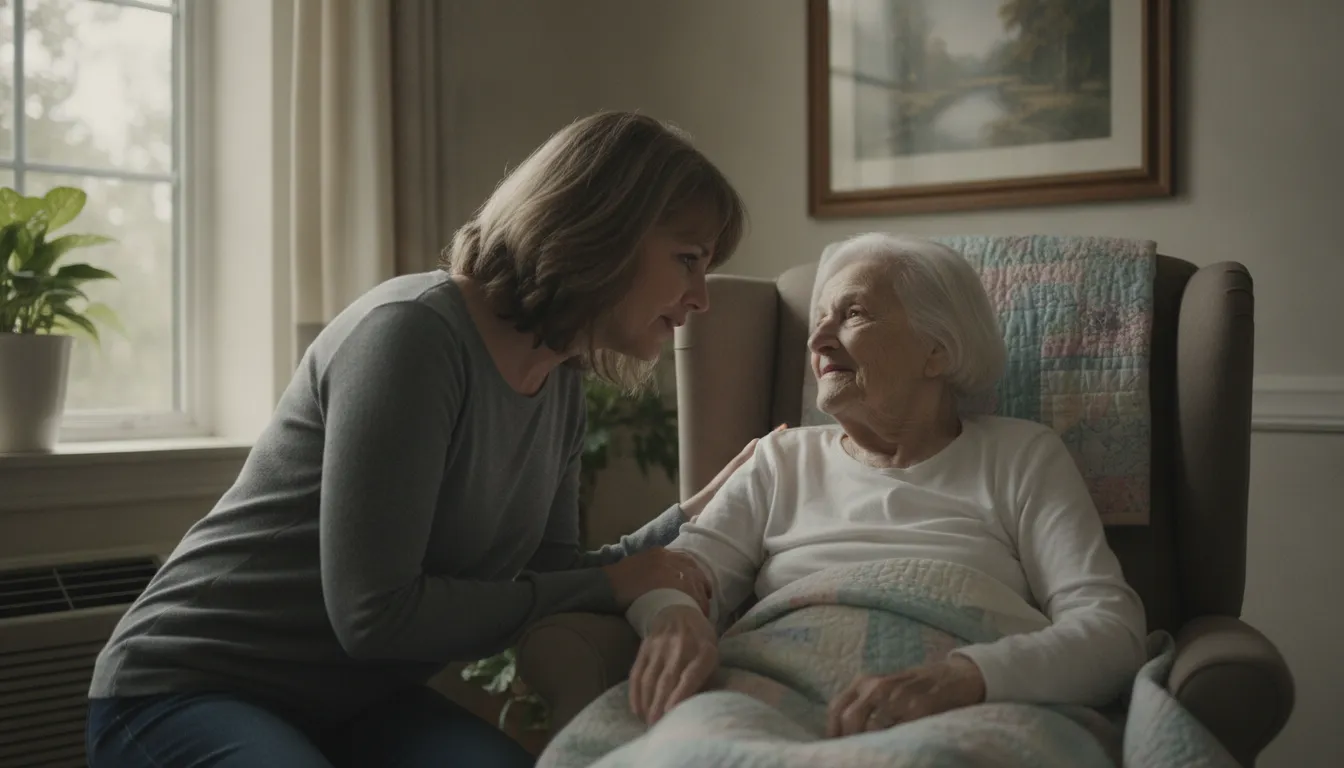
When you notice nursing home abuse warning signs, you likely want to ask your loved one what happened. But this talk needs care and time. Many older adults are slow to report abuse because they fear the staff. They may also fear payback, says the Centers for Disease Control and Prevention (CDC). Speaking with them in a way that feels safe is the best way to get the truth. You must be their voice while you honor their feelings and fears.
Find a safe and private space
Being alone is key when you talk about harm or neglect. If a staff person stays in the room, your loved one may not speak freely. Try to find a time when you can be on your own. You might go for a walk or sit in a quiet place. Seniors often feel fear or worry when a certain staff member is near. This can be a sign that something is wrong. Being away from staff helps them open up without the fear of being heard.
Ask gentle and clear questions
Do not start by asking if someone is hurting them. That can be a scary question. Try to ask about their day instead. You could ask. “How do you feel when the night staff comes in?” or “Has anything made you feel sad lately?” Listen well and watch for a quick change in their mood. A sudden drop in their spirit can be a sign of emotional abuse. If they talk about being hurt or lack of help with food or meds, stay calm.
It also helps to ask about their meals and bath time. Poor food or lack of water can be a sign of neglect. Your loved one might not know they should report these things. Learn more about Counsel Hound’s abuse litigation attorney network or attorney vetting process. Your goal is to show them that you are there to help. Regular visits and kind words are the best ways to find the truth and stop harm.
Help those with memory issues
Talking with a loved one who has memory loss or dementia can be hard. These people are at a higher risk for abuse because they may not be able to tell you what happened. Use short, simple words and give them time to answer. Even if they cannot tell a full story, their body language says a lot. Watch for them pulling away or acting afraid. Trust your gut if their mood feels off or if they stop doing things they love.
What should you do if you suspect nursing home abuse?
Answer: Put the resident’s immediate safety first, seek independent medical care when needed, document specific observations, preserve records, and report reasonable concerns. You do not need to conduct your own full investigation before asking qualified authorities or legal counsel for help.
Contact Counsel Hound for a free case evaluation and attorney match.
- Address immediate danger. Call 911 if the resident is in urgent danger or needs emergency medical care. If moving the resident is necessary, ask medical professionals and trusted family members to help plan a safe transfer.
- Seek medical attention. Ask an independent medical provider to evaluate injuries, dehydration, weight loss, medication problems, or changes in behavior. Tell the provider why you are concerned so observations are recorded accurately.
- Document what you observe. Write dates, times, locations, names, and exact statements. Take photographs when appropriate and lawful. Keep copies somewhere the facility cannot access or alter.
- Preserve records. Save care plans, medical records, bills, bank statements, emails, texts, and notes from meetings. Do not edit original files. A clear timeline can reveal repeated problems.
- Report the concern. Contact the facility administrator and the agencies that handle adult protection or long-term care complaints in your state. A long-term care ombudsman can also help residents and families raise concerns.
- Get legal guidance. An attorney can explain possible options, help preserve evidence, and assess whether neglect or abuse may support a legal claim.
Keep the resident at the center
Ask what the resident wants whenever they can take part in decisions. Avoid confronting a suspected abuser in a way that could increase risk. Share concerns only with people who can help protect the resident or investigate the situation.
Make reports specific
Describe what you saw rather than making broad claims. Include dates, injury locations, changes in behavior, missing property, and staff explanations. Specific facts give investigators a stronger starting point.
What evidence can help protect a resident?
Answer: A dated timeline, original photographs, care plans, medical records, financial statements, messages, and witness contact details can help show whether an isolated event or harmful pattern occurred.
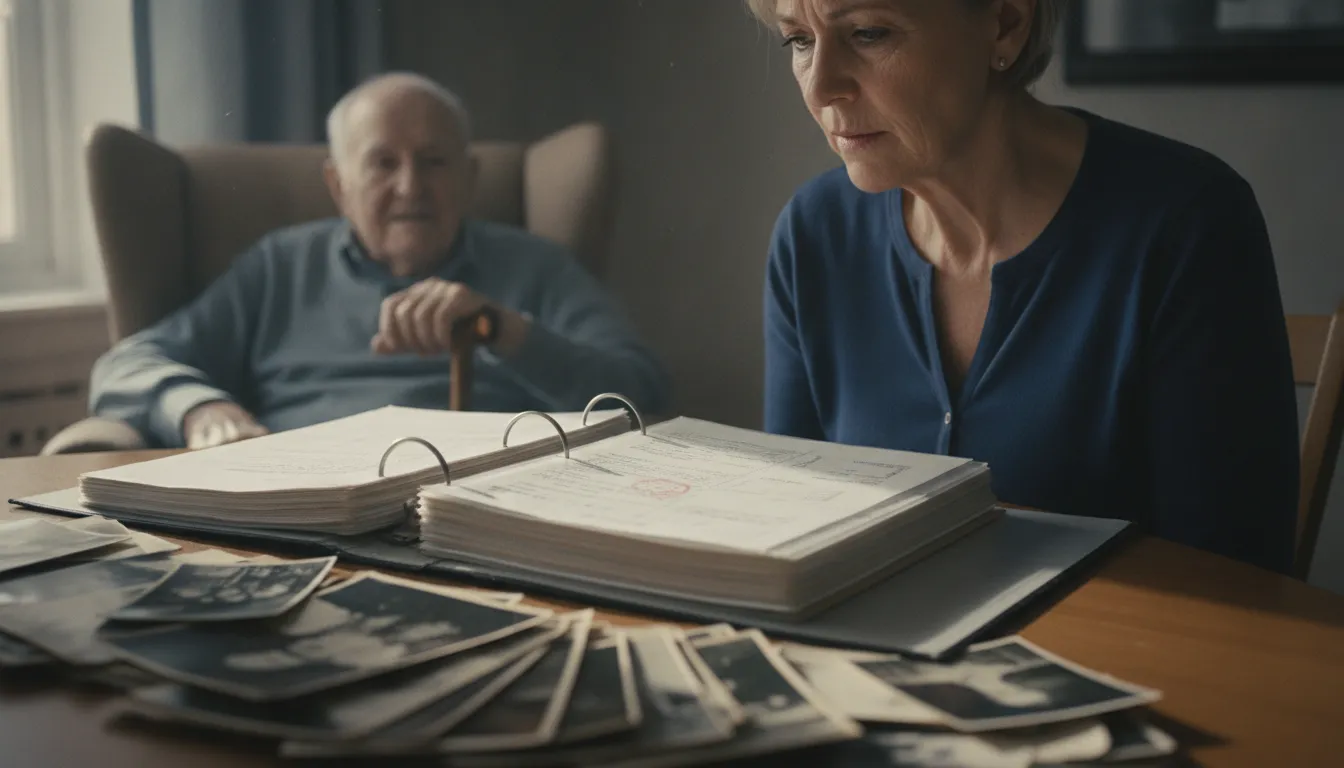
Begin a dated timeline as soon as concerns arise. Record who was present, what the resident said, what staff explained, and what action followed.
Photographs and written observations
Photograph visible injuries, damaged belongings, or unsafe room conditions when it is appropriate and lawful. Preserve the original image files because they contain useful date information. Describe the size and location of an injury, but do not attempt to diagnose its cause.
Write down exact words when a resident or witness describes an event. Note changes in mood, sleep, eating, hygiene, and social activity. Repeated observations from different visits can show a pattern more clearly than memory alone.
Care and medical records
Keep copies of care plans, medication lists, incident reports, discharge papers, and medical evaluations. Compare promised services with the care the resident actually received. Request records promptly because legal rules may affect access and retention.
Financial and communication records
Save bank statements, bills, receipts, benefit records, and notices of account changes when financial exploitation is a concern. Preserve emails, texts, voicemails, and letters exchanged with the facility. List the names and contact information of staff, visitors, roommates, or other witnesses.
Keep original records unchanged and store copies in a secure place. Avoid secret recordings unless an attorney confirms they are lawful in your state. Organized evidence can help doctors, regulators, and legal counsel respond to the resident’s needs.
How can a nursing home abuse attorney help?
A nursing home abuse attorney can assess the facts while a family focuses on the resident’s safety and health. Legal counsel may help request records, preserve evidence, identify responsible people or companies, and explain reporting and filing options.
Investigating what happened
Facilities often hold key records, including staffing logs, care plans, incident reports, medication records, and video footage. An attorney can send requests aimed at preserving this material before it is lost. Counsel may also work with medical professionals or other qualified experts to review whether the care met applicable standards.
Identifying responsible parties
Harm may involve an individual worker, a contractor, facility management, or an owner whose policies affected staffing and care. An investigation can examine who controlled the relevant decisions. Identifying responsibility is important because the person who caused an injury may not be the only party accountable.
Explaining legal options
Every case depends on its facts and the law that applies. An attorney can explain possible claims, deadlines, available compensation, and the practical risks of each path. No lawyer can promise a result, but early advice can help a family avoid mistakes and make informed choices.
Counsel Hound connects people seeking representation with trusted attorneys from its network. A consultation can help you understand whether the nursing home abuse warning signs you observed warrant further investigation.
Frequently asked questions
What is the most common warning sign of nursing home abuse?
There is no single sign that proves abuse. Common concerns include unexplained injuries, sudden fear or withdrawal, poor hygiene, weight loss, missing property, and staff who prevent private visits. A repeated pattern is especially important.
Should I report suspected abuse without proof?
You do not need to prove abuse before reporting a reasonable concern. Give authorities specific observations, dates, names, and available records. Call 911 if the resident faces immediate danger.
Can bedsores be a sign of nursing home neglect?
Bedsores can be associated with limited mobility and complex health conditions, but they may also raise concerns about repositioning, hygiene, nutrition, or wound care. Ask for a medical evaluation and a clear explanation of the care plan.
Who can families contact about nursing home abuse?
Options may include emergency services, adult protective services, the state agency that regulates nursing homes, and a long-term care ombudsman. An attorney can also explain legal options and help preserve evidence.
How quickly should a family act on warning signs?
Act immediately when a resident faces urgent danger or needs medical care. For other concerns, begin documenting observations and making appropriate reports promptly because records can change and harmful conduct may continue.
Talk with Counsel Hound about your concerns
If you have noticed nursing home abuse warning signs, you do not have to decide what they mean alone. Counsel Hound can connect you with a trusted attorney who can review the situation and explain possible next steps. Free consultations are available, and there are no fees until we win.
Call (205) 390-0399 to schedule a free consultation or use Counsel Hound’s contact form.