Unexplained injuries, sudden fear, or a sharp decline in hygiene can leave a family wondering whether a loved one is safe. Learning the most important nursing home abuse warning signs can help you recognize a troubling pattern, protect the resident, and decide when to report a concern.
Request a Free Case Evaluation with Counsel Hound
Nursing home abuse warning signs include unexplained bruises, bedsores, weight loss, poor hygiene, sudden mood changes, fear around certain people, unsafe room conditions, and missing money. A single sign may have another explanation, but repeated problems or explanations that do not fit deserve prompt attention. Document what you observe, seek medical help when needed, and report immediate danger to 911.
It is vital to know when a home has crossed the line from poor care to active abuse. Every family should learn the specific nursing home abuse warning signs to protect a loved one. Finding these clues early can support a faster, safer response. This path begins with careful observation and clear documentation.
Nursing home abuse warning signs families should recognize
The most important warning signs include unexplained injuries, declining hygiene, pressure injuries, sudden fear, weight loss, missing property, and unsafe conditions. Families should look for patterns, abrupt changes, and explanations that do not match what they observe, then document concerns and act promptly when safety may be at risk.
Warning signs can be physical, emotional, financial, or tied to poor care. Look for unexplained injuries, bedsores, weight loss, poor hygiene, sudden fear, withdrawal, missing belongings, and unsafe room conditions. Some concerns can have another cause, so pay close attention to repeated problems and explanations that do not fit.
Physical and emotional red flags
Physical injuries are often the first signs that something is wrong. You should look for unexplained bruises, cuts, or scars on your loved one. Burns or signs of restraint around the wrists can also point to physical harm. While falls happen, it can be hard to tell if a fall was a simple mishap or a result of mistreatment.
Mistreatment is not always physical. Emotional abuse can cause deep trauma that changes how a person acts. You might notice your relative seems suddenly sad or worried. Some people start to rock back and forth or bite themselves when they feel scared. If your loved one pulls away from friends or stops talking, they may be facing harm from staff or other residents.
Signs of neglect and poor care
Neglect happens when a home fails to provide the care a person needs. Common signs include poor hygiene or unmanaged health issues. One major red flag is the presence of bed sores, which are also called pressure ulcers. These painful sores often show that a resident is not being moved enough. You should also check if their room is clean and if they are getting their medicines on time.

Staffing levels play a big role in how much care a resident gets. When a home does not have enough workers, staff may feel burnt out. This can lead to mistakes or harm. If you see that call lights go ignored for a long time, it may mean the home is short-staffed. This lack of care can put your loved one at a high risk for health problems or accidents.
Common warning signs at a glance
| Sign of Concern | Possible Issue | Action to Take |
|---|---|---|
| Bed sores or skin infections | Medical neglect | Ask for a skin check and care plan |
| Sudden behavior changes | Emotional or sexual abuse | Speak with the resident in private |
| Unexplained bruises or cuts | Physical abuse | Take photos and ask for reports |
| Unclean room or clothing | Basic care neglect | Talk to the nursing supervisor |
| Missing money or items | Financial theft | Check bank records and report to the home |
Financial abuse is another risk that families often miss. Keep a close eye on your relative’s bank accounts for any strange spending. If cash, jewelry, or other items go missing from their room, it could be a sign of theft. It is vital to report these issues to an elder abuse attorney to learn about your options for justice.
Physical abuse and neglect can leave different clues
Physical abuse often causes unexplained bruises, cuts, burns, fractures, or restraint marks. Neglect more often appears as pressure injuries, dehydration, poor hygiene, untreated medical problems, or unsafe surroundings. Both demand attention, especially when staff explanations are inconsistent or a resident cannot safely explain what happened.
Physical abuse is a direct act of harm and may leave unexplained bruises, cuts, burns, or restraint marks. Neglect is a failure to provide needed care and may appear as bedsores, dehydration, weight loss, or poor hygiene. Both require attention, especially when injuries repeat or staff explanations do not fit.
Physical abuse warning signs
Abuse often leaves clear marks on the body. You may see things like cuts or scars that do not have a clear cause. Some wounds might look like they came from a fall, but they happen too often. If your loved one has strange injuries like burns or breaks, you should ask questions. These marks can show that someone is hurting them or using ties in a cruel way.
- Many trips to the clinic for small wounds.
- Finger marks on the arms or neck.
- Scars that show up in groups.
- Broken items like glasses or canes.
It is not just about the wounds you can see. Watch how your loved one acts when staff are in the room. If they seem scared or quiet, it could be a sign of trouble. Mood shifts often go along with bodily harm. You might find that you need help from an elder abuse lawyer to look into these changes. Taking notes on what you see is a good first step.
The silent harm of neglect
Neglect can be harder to spot than abuse because it happens slowly. It means the home is not giving the senior the food, water, or clean space they need. You might notice that your loved one is losing weight for no reason. This can be a sign of poor food or a lack of help during meals. A lack of water is another big risk if staff do not give enough to drink each day.
Poor care is a common sign of neglect. This includes dirty clothes, messy hair, or a bad smell in the room. If a person stays in one spot for too long, they may get bedsores. These are painful skin sores that can get sick very fast. Good care means moving the person and keeping them clean to stop these sores from growing.
How to find patterns of care
One bruise might be an accident. But many signs together show a pattern. You should look at the drugs too. Sometimes a home might use too much medicine to keep people quiet. If your loved one seems sleepy or confused all the time, check their list of pills. Ask the nurse why things have changed and write down what they say.
It can be tough to know if a fall was a true slip or caused by a lack of help. The Mayo Clinic notes that it is hard to tell if a fall is a mishap or abuse. This is why you must look at the setting. A messy room or bad lights can lead to trips. If the home feels unsafe, it likely is. Trust your gut and seek help if you feel something is wrong.
What behavioral and financial changes should you watch for?
Behavioral and financial changes may reveal harm that is not immediately visible. Watch for sudden withdrawal, anxiety around particular people, unusual agitation, missing possessions, unexplained withdrawals, or abrupt changes to legal documents. Ask calm questions in private and compare what you hear with records and observations.
Watch for new fear, withdrawal, agitation, unusual silence, or distress around a particular person. Financial warning signs include missing valuables, unexplained withdrawals, unpaid bills despite available funds, and sudden changes to legal documents. Because illness or medicine can also affect behavior, focus on sudden changes and repeated patterns.
Fear, withdrawal, and sudden mood changes
Abuse does not always leave a visible mark. A resident may become quiet, tense, fearful, or unusually upset. They may stop joining activities they once enjoyed or seem nervous when a certain staff member enters the room. The Department of Justice lists agitation, withdrawal, and unusual behavior among possible red flags of elder abuse.
Changes in behavior can also stem from illness, medicine, grief, or dementia. Look for a pattern, ask what changed, and listen without rushing to explain the concern away. Try to speak with your loved one in private. Use open questions such as, “Can you tell me what happened?” Avoid suggesting an answer or pressuring them to give details.
Signs of emotional or sexual abuse
Emotional abuse may involve threats, insults, humiliation, isolation, or control. A resident may avoid eye contact, show signs of fear, rock back and forth, or say they are being punished. Signs that may point to sexual abuse include torn or bloody clothing, unexplained bruising near intimate areas, pain, or a sudden fear of being touched.
Treat any disclosure with care. Tell the resident you believe them and that the harm is not their fault. Do not confront a suspected abuser in front of the resident. If there is immediate danger or a medical emergency, call 911 and seek prompt care.
Missing money and unusual account activity
Financial abuse can involve stolen cash, missing valuables, forged signatures, or misuse of a resident’s bank account. Watch for withdrawals the resident cannot explain, unpaid bills despite enough funds, or sudden changes to a will or power of attorney. New people taking an unusual interest in the resident’s money may also be a concern.
Keep copies of statements and note the dates of suspicious activity. Ask the resident about the change in a calm, private setting. A bank, law enforcement agency, Adult Protective Services office, or attorney may help when the facts point to theft or coercion.
What should you do if you suspect nursing home abuse?
If you suspect nursing home abuse, first protect the resident from immediate danger. Seek medical care when needed, record facts without altering evidence, and report concerns to the appropriate authority. Families do not need to prove an entire case before sharing specific, good-faith concerns about a resident’s safety.
Your first goal is to protect the resident, not to prove the whole case yourself. Address immediate danger, listen to the resident in private, seek appropriate medical care, record what you observed, and report concerns to the proper authority. Act calmly and avoid steps that could expose your loved one to more harm.
- Address immediate danger. Call 911 if the resident faces an urgent threat, needs emergency medical care, or may have been the victim of a crime. Move them to a safe place when it is possible and lawful to do so.
- Listen in private. Ask open questions and let the resident speak in their own words. Do not coach them or promise an outcome. Write down what they say as soon as you can, using their exact words where possible.
- Get medical care. Ask an independent medical professional to assess unexplained injuries, pain, dehydration, infection, or medicine concerns. Medical records can protect the resident’s health and may document what occurred.
- Record what you observed. Note dates, times, names, injuries, room conditions, and explanations given by staff. Take clear photos when appropriate and permitted. Save care plans, bills, messages, and other records.
- Report the concern. You may report suspected abuse to law enforcement, Adult Protective Services, the state agency that regulates nursing homes, or the Long-Term Care Ombudsman Program. The right path depends on the danger and where the facility is located.
- Seek legal guidance. A lawyer can help preserve evidence, explain legal options, and assess who may be responsible. Getting advice early may matter because legal deadlines can apply.
Reporting does not require certainty
You do not need to solve every conflict before asking for help. Share facts, state what you observed, and explain why you are concerned. Avoid guessing about motives or changing your notes after the fact. Investigators can compare your report with medical records, staffing records, witness accounts, and facility history.
Keep the resident involved
When possible, ask the resident what they want and respect their choices. Explain each step before taking it. Some residents fear retaliation, losing their home, or not being believed. A calm approach can help them feel safer while you work with the proper authorities.
Request a Free Case Evaluation with Counsel Hound
How can families document suspected mistreatment?
Strong documentation creates a clear timeline of what happened and how the facility responded. Record dates, times, names, symptoms, conversations, and changes in condition. Preserve photographs, medical records, care plans, bills, messages, and incident reports while respecting the resident’s privacy and immediate care needs.
When you spot nursing home abuse warning signs, create a dated record of injuries, behavior changes, room conditions, staff explanations, and actions taken. Clear notes, photos when appropriate, medical files, care plans, bills, and messages can help authorities or legal counsel identify patterns that may not be clear from one visit.
Keep a detailed care log
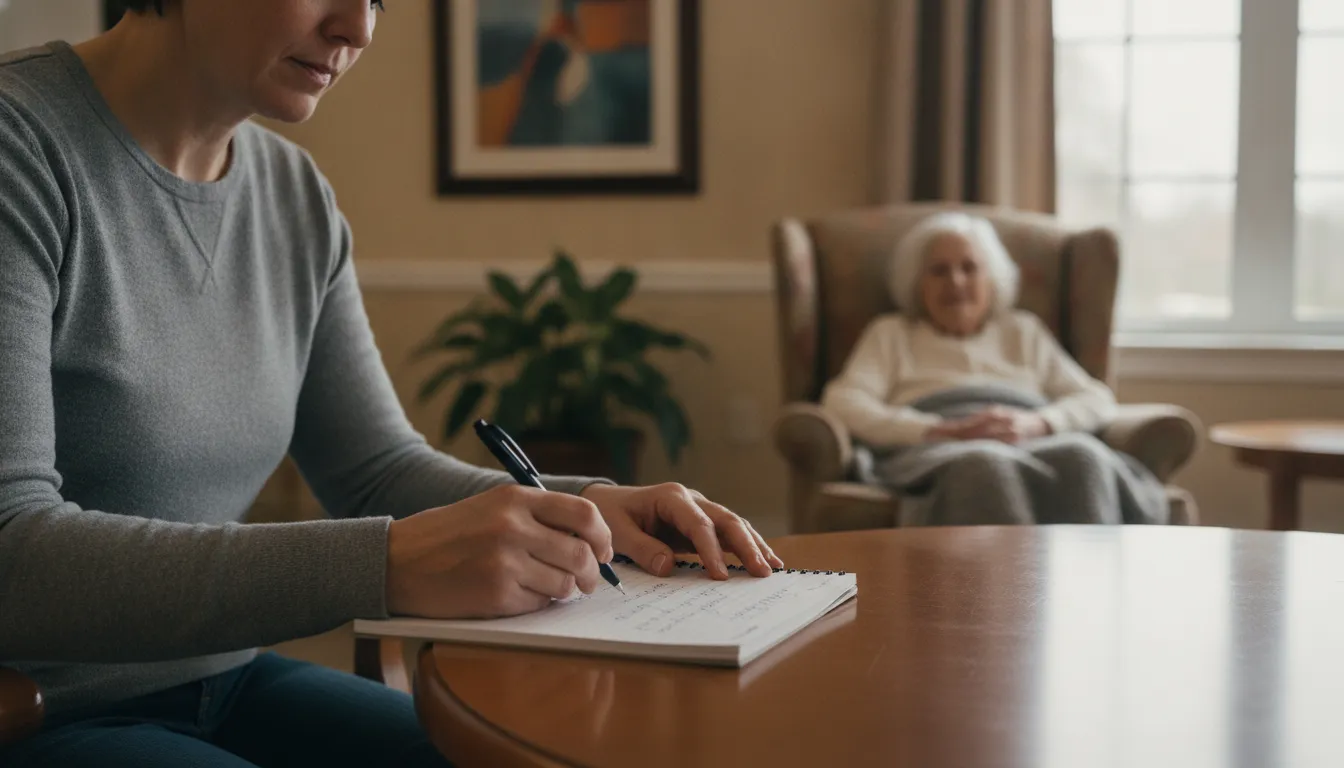
Start by writing down every concern you have in a dated notebook. Note the time and date of your visits and who you spoke with at the facility. Write down any changes you see in your loved one, like new bruises, scars, or burns. If they seem scared or quiet, write that down too. These notes act as a master record of what is happening over time.
You should also keep track of what the staff says. If a nurse gives you a reason for an injury, write it down exactly as they said it. Note their name and the time of the talk. This helps find gaps in the story later. Accurate notes are very helpful when you seek legal representation for nursing home abuse.
Collect medical and billing records
Ask for copies of medical records and care plans. These files show if the facility is following its own rules. Look for notes about falls or new medicines. Bedsores or poor hygiene are strong signs of neglect that should be in the file. You have a right to see these papers, and they provide proof of the care your relative gets.
Billing records are also key for finding fraud. Look for charges for items or care your loved one did not get. Sudden changes in banking or spending can also hint at financial abuse. Save all receipts and bills in a safe place. Do not post these concerns on social media, as it could hurt a future case. Keep your records private and share them only with trusted experts.
When should you speak with a nursing home abuse lawyer?
Consider speaking with a nursing home abuse lawyer when injuries are serious, problems repeat, records seem incomplete, or a facility does not respond appropriately. Legal guidance can help a family understand reporting options, preserve evidence, evaluate accountability, and avoid decisions that could unintentionally weaken a potential claim.
Consider speaking with a nursing home abuse lawyer when a resident has suffered serious harm, warning signs repeat, evidence may disappear, or you need help understanding legal options. Reporting to an agency can help protect a senior, while legal counsel can preserve evidence, explain deadlines, and assess who may be responsible.
Protect your legal rights
You should call a lawyer when you need to keep evidence and find the full scope of a claim. A legal team can help you find which groups are at fault. This may be a parent firm or a staff agency. Counsel can also explain the firm dates for filing a case. If you miss these dates, you could lose the right to seek justice for your family member.
Acting fast is key because facility files and staff memories can fade or go away over time. A lawyer helps you get data before it is lost. This is a key part of best practice rules for dealing with old-age abuse, as noted by groups like the American College of Surgeons. Having an expert on your side makes sure you do not miss a detail while you focus on your relative’s health.
Find the right counsel
Choosing an elder abuse attorney can feel hard during a crisis. Counsel Hound makes this easier by matching you with a vetted lawyer from our trusted network. We check their license and past work so you do not have to. Our goal is to link you with a proven lawyer who has handled cases just like yours.
We offer a free case evaluation to help you see if you have a legal claim. You will not pay any upfront fees to start. Counsel Hound uses a model where you pay no costs until your lawyer wins the case. This lets you get top legal help without fear of a big bill while you seek safety for your loved one.
How can families stay alert after a loved one enters care?
Families can stay alert by visiting at varied times, speaking privately with the resident, reviewing care plans, and tracking changes in health or behavior. Consistent communication with staff and relatives makes patterns easier to identify. Prompt questions can also help resolve ordinary care issues before they become more serious.
Families can stay alert by visiting at varied times, joining care-planning meetings, learning which medicines the resident takes, and recording changes in health or behavior. Ask clear questions when care does not match the plan, and keep contact information for facility leaders, regulators, Adult Protective Services, and the ombudsman.
Visit at varied times
Regular contact can help you notice changes early. Visit on different days and at different times when possible. Pay attention to how staff speak to residents, whether call lights receive a response, and whether your loved one’s room, clothing, and body appear clean.
Do not assume one poor visit proves abuse. Note what you saw, ask a clear question, and watch whether the problem repeats. A pattern of missed care or changing explanations deserves closer review.
Take part in care planning
Ask to join care meetings and request a current copy of the care plan. Learn which medicines your loved one takes and why. Ask who to contact about falls, wounds, weight loss, or sudden behavior changes. Compare the promised plan with the care the resident receives.
Know where to raise concerns
Keep contact details for the facility administrator, state regulator, Adult Protective Services, and the Long-Term Care Ombudsman Program. If a complaint is not addressed, move it to an outside agency. Family attention can help uncover a problem, but the facility remains responsible for safe and respectful care.
Frequently asked questions about nursing home abuse warning signs
What are the most common red flags of nursing home abuse?
Common red flags include unexplained injuries, poor hygiene, pressure injuries, weight loss, dehydration, sudden fear, withdrawal, missing money, and unsafe room conditions. A single sign may have another cause. A pattern, a sudden change, or an explanation that does not fit should be investigated.
Can I report suspected abuse without proof?
Yes. You can report facts and concerns without proving the full case yourself. Tell the agency what you observed, when it happened, who was present, and why you believe the resident may be at risk. Call 911 if there is immediate danger.
Where can nursing home abuse be reported?
Depending on the facts, reports may go to law enforcement, Adult Protective Services, the state agency that regulates nursing homes, or the Long-Term Care Ombudsman Program. An attorney can also explain available legal options and help preserve evidence.
Should I confront nursing home staff?
You may ask calm questions about care, but do not confront a suspected abuser in a way that could put the resident at risk. First protect the resident, document the concern, and contact the proper authority. Speak with your loved one privately whenever possible.
Talk with Counsel Hound about your concerns
Recognizing nursing home abuse warning signs can be painful, but you do not have to sort through the next steps alone. Counsel Hound connects families with vetted attorneys who handle serious abuse claims. Request a free case evaluation, with no upfront fees and no fees until a case is won.
Call Counsel Hound at (205) 390-0399 or request a free case evaluation online.