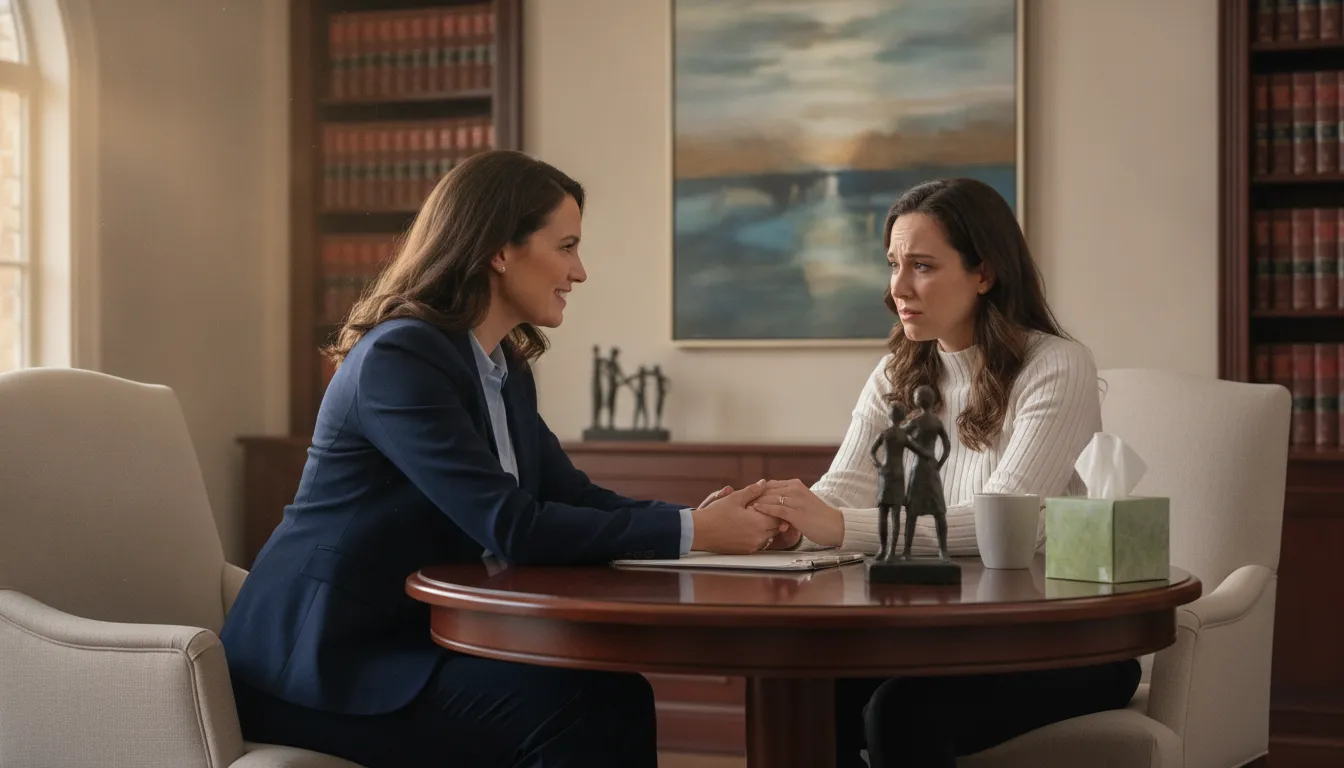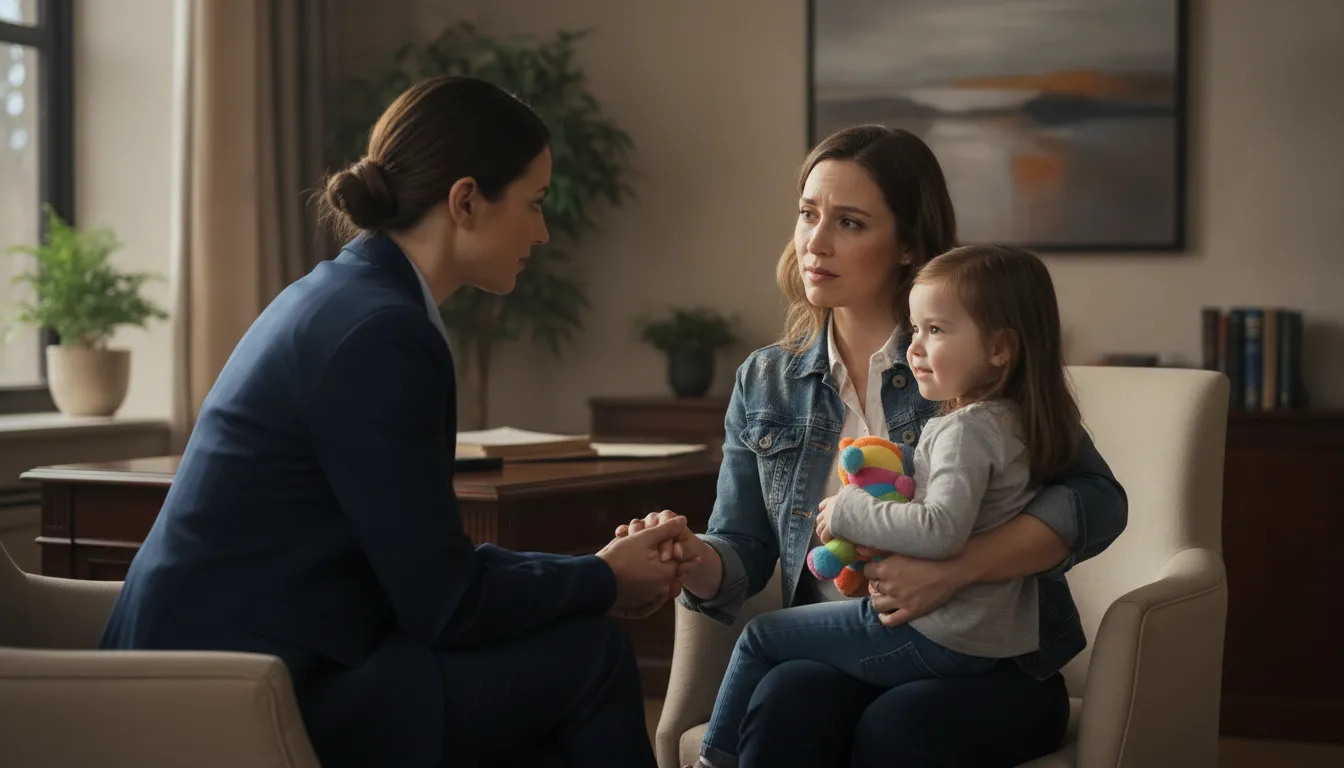
Abuse by a trusted adult can leave survivors facing the institution that gave that person access. A school, camp, youth program, or religious organization may bear responsibility for failures that allowed harm to occur.
An institutional child abuse lawsuit is a civil claim about abuse or neglect tied to a school, camp, youth program, or religious organization. It may name an abuser, an institution, or both.
A claim may examine misconduct, unsafe practices, ignored warnings, or poor supervision by adults in authority. The CDC recognizes that custodial roles can include teachers, coaches, and religious leaders.
Deadlines and possible defendants vary by state and facts. Survivors should seek a private case review before assuming that time has expired. An attorney can assess records and explain legal options with care.
If you were harmed while an institution was responsible for your safety, the central question is whether the law provides a claim today. The first step is understanding “What is an institutional child abuse lawsuit?” and who it may hold accountable. Here’s how.
What is an institutional child abuse lawsuit?
An institutional child abuse lawsuit is a civil claim about harm suffered while a child was under an organization’s care. It can seek accountability from people who caused harm. It may also examine whether an institution placed a child at risk.
Harm in a position of trust
The word “institutional” does not lessen what happened to a survivor. It describes the setting and duty of care around the child. The CDC definition of child abuse and neglect covers harm by people in custodial roles, including religious leaders, coaches, and teachers.
The harm may involve sexual abuse, physical abuse, emotional abuse, or neglect. The institution may be a school, church, youth group, camp, daycare, boarding program, or residential facility. It may also be a sports organization or another program trusted with children. A survivor may have known the person as a teacher, coach, counselor, clergy member, volunteer, or staff member.
Institutional accountability
A civil claim can look beyond the person accused of abuse. Depending on the facts and state law, it may examine hiring, training, supervision, reporting, records, or how complaints were handled. This process may help show whether an organization failed to protect a child in its care.
For example, a claim may involve a school that ignored reports about a coach. It could involve a camp that allowed unsafe access to children. Church-based harm may also be part of an institutional child abuse lawsuit when an organization had a role in supervision or response.
Each survivor’s experience is different, and each claim turns on its own facts. Filing a civil case does not promise a set result, payment, or timeline. An attorney can review available records, applicable deadlines, the place where the harm occurred, and possible responsible parties.
Beyond a Boy Scouts settlement
An institutional child abuse lawsuit is broader than a claim tied to one youth organization or one settlement process. Abuse can arise in many settings, and the legal path may not be the same in each case. Information about institutional child abuse claims involving Boy Scouts addresses that specific program, not every institution.
Survivors may seek information now, years later, or with support from someone they trust. A private case review can focus on what happened, where it happened, and which legal options may be available under the law that applies.
Which institutions may be accountable for child abuse?
When a child is harmed in an organized setting, questions may extend beyond the person accused. Schools, summer camps, sports clubs, youth groups, faith communities, and residential programs all place adults in roles of trust. The CDC includes teachers, coaches, and religious leaders among people in custodial roles tied to harm or a threat of harm.
Settings where adults care for children
A school or child care program may control daily access to a child. A camp, sports team, scout troop, or mentoring program may arrange travel, overnight stays, locker rooms, or one-on-one coaching. An institutional child abuse lawsuit may examine what that setting was expected to do while a child was in its care.
Religious organizations may have clergy, lay leaders, volunteers, schools, or youth ministries that work with children. Survivors considering a claim involving a church program may also want information about an institutional child abuse lawsuit tied to clergy abuse. The issue is not the faith itself, but the conduct and the response to risk.
Residential treatment centers, group homes, boarding schools, juvenile facilities, and therapeutic programs present added concerns. A child may live on site and rely on staff for safety, medical needs, schooling, and contact with family. Isolation or limited outside contact can make it harder for a child to speak up.
Conduct that may draw scrutiny
An institution is not automatically responsible simply because abuse happened in one of its programs. A case review may focus on what the organization knew, what it should have noticed, and how it acted. Useful questions can include:
- Did screening or hiring records reveal earlier warnings about an adult?
- Were staff and volunteers supervised during private contact with children?
- Did complaints, injuries, behavior changes, or reports lead to a prompt response?
- Were records kept, concerns reported, and children protected after a warning?
Records that help show what happened
Different settings leave different records. Schools may hold attendance notes, discipline files, emails, and counselor reports. Camps and youth programs may have rosters, incident logs, volunteer files, or travel schedules. Residential programs may retain staffing records, treatment notes, shift logs, or complaint files.
Survivors do not need to know at the start which entity may be accountable. An attorney can assess the alleged conduct, the adults involved, and any organization that managed their access to children. This fact-based review can show whether a school, program, facility, or religious organization should be examined further.
What evidence can support an institutional abuse claim?
Your account and direct communications
A survivor’s account is an important starting point. It may describe who caused harm, where it happened, who had custody or control, and what adults knew. The CDC definition of child abuse and neglect includes harm by people in custodial roles, such as teachers, coaches, and religious leaders.
Memories can be incomplete, especially after trauma or when abuse happened long ago. A survivor does not need to force detail or gather everything alone. Helpful items may include letters, emails, texts, diary entries, photos, calendars, social media messages, or prior disclosures to a trusted person.
Records that show access or notice
An institutional child abuse lawsuit may require a careful look at the setting around the abuse. Records can show that a child was in a program or that an accused adult had access. They may also show warning signs known to the institution.
- Enrollment files, attendance logs, team rosters, camp lists, parish records, or residential placement files.
- Medical, therapy, school, or child protection records that document harm or a disclosure.
- Incident reports, complaint files, discipline records, background checks, and staff schedules.
- Handbooks, supervision rules, safety policies, training materials, and reporting procedures.
- Letters, meeting notes, apologies, denials, transfers, suspensions, or other institution responses.
Some records may be held by a school, church, camp, youth group, hospital, or government office. A lawyer can help request and preserve materials. For harm within a faith-based program, Counsel Hound discusses an institutional child abuse lawsuit and access to legal guidance.
Witnesses and earlier complaints
Witnesses do not have to have seen the abuse itself. A roommate, classmate, coach, relative, former staff member, or counselor may recall behavior changes or an earlier report. They may also recall unsafe access or the institution’s response.
Other complaints about the same adult or program may matter. They can help counsel assess what an institution may have known and how it acted. A former employee may recall a report, an ignored rule, or a decision to move staff without addressing a safety concern.
Many survivors do not have copies of old records. Some never made a report as a child, and others were not believed. The CDC notes that many cases are unreported. Missing documents should not stop a survivor from seeking confidential advice about information that may still be found.
How can a survivor begin a civil claim?
A safe starting point
Beginning a civil claim does not require a survivor to tell every detail at once. It starts with a private, careful review of what happened, where it happened, and who had a duty to protect the child. The CDC definition of child abuse and neglect includes harm by people in custodial roles, such as teachers, coaches, and religious leaders.
An institutional child abuse lawsuit may involve a school, camp, church program, residential facility, youth group, or another organization. The steps below are general information, not legal advice. A lawyer can assess the rules that apply to one survivor’s facts and location.
Five steps to consider
-
Preserve information in a safe place. Keep any records already in your care, such as letters, emails, photos, school papers, calendars, medical records, or names of possible witnesses. Write down memories only when it feels safe, using dates or time periods if known. Do not contact a suspected abuser to gather proof.
-
Discuss timing and jurisdiction. Filing rules can depend on the state, the survivor’s age, the type of harm, and the organization involved. A lawyer can review where the abuse occurred, where the institution operated, and whether any filing window may apply.
-
Identify organizations that may be responsible. Record the name of the school, camp, religious program, team, facility, or youth group. Note any staff roles, supervisors, reports, transfers, or earlier complaints you know about. A claim may examine an institution’s acts as well as an abuser’s conduct.
-
Ask about civil options. Counsel can explain whether a civil case may seek accountability and compensation for supported harms. A claim connected to a religious program may overlap with guidance on an institutional child abuse lawsuit in a clergy setting.
-
Choose a next step with counsel. A consultation can help a survivor decide whether to investigate further, preserve more records, or file a claim. The survivor can also ask who will handle sensitive information and what contact may be required.
Preparing for a private review
A first conversation can focus on basic facts rather than a full account. Useful starting points may include the institution’s name, the general time period, the location, and any records already available. Survivors may also ask how privacy, costs, and communications will be handled before choosing representation.
Counsel Hound connects people with attorneys who handle complex injury claims, including abuse involving organizations. Survivors who want to discuss possible next steps can request a free legal case evaluation without assuming that filing is the right choice.
Can survivors bring claims for abuse from years ago?
Yes, an older abuse claim may still warrant legal review. Whether a survivor can file depends on the state and the type of claim. It also depends on age and any law that opens a new filing window. There is no single deadline for every institutional child abuse lawsuit.
Why deadlines are not uniform
State rules do not all treat childhood abuse the same way. Some rules use age-based deadlines. Others remove time limits for certain offenses. A legal reference from Lewis & Clark Law School shows that deadlines and exceptions can differ by state.
The right question is not simply how many years have passed. A lawyer may assess where the abuse happened and where a case may be filed. The review may also show whether the conduct supports more than one claim. Claims against an institution may require review of its acts, records, and duty to protect a child.
Why an older claim deserves review
Abuse by a trusted adult can occur in a school, camp, church, team, or residential program. The CDC includes teachers, coaches, and religious leaders among custodial roles in its child abuse and neglect guidance. That setting can matter when reviewing who may be responsible.
Time can make records harder to find, but it does not make the harm unimportant. Helpful information may include names, locations, dates, school or program records, medical records, messages, photographs, or witnesses. A survivor does not need to gather every possible item before asking for a review.
What to do after past abuse
Do not assume a claim is barred because the abuse occurred years ago. A prompt, private review can show which state law applies. It can also show whether a filing window may affect the case. Survivors considering an institutional child abuse lawsuit can learn what type of attorney fits their circumstances.
Counsel Hound is an attorney-matching service, not a law firm. It connects survivors with lawyers who can review possible claims against people or institutions. Waiting for certainty before seeking help may leave less time to preserve information and assess legal options.
What damages may be addressed in a civil lawsuit?
In an institutional child abuse lawsuit, damages are a way to assess harm tied to abuse and its effects. They are not a promise of a set award. Any recovery depends on evidence, state law, and the specific facts of the case.
Treatment-related needs
Abuse can be followed by anxiety or posttraumatic stress, as noted in CDC guidance on child abuse and neglect. A claim may examine past care and care that may be needed later. Records from therapists, physicians, and treatment programs can help explain that need.
Support is personal, and not every survivor follows the same path. An attorney may work with qualified professionals to review treatment history and future care needs. This process should respect privacy and avoid asking a survivor to retell painful events without purpose.
Income and daily-life effects
Some survivors may have work, school, or daily-life effects tied to the harm. Where the facts support it, a case may assess missed income or limits on future earning ability. It may also address non-economic harm, such as emotional distress, pain, or loss of enjoyment of life.
| Harm category. | Examples of documentation. |
|---|---|
| Past treatment needs. | Therapy bills, medical records, and payment receipts. |
| Future care needs. | Care plans, provider opinions, and treatment history. |
| Income impact. | Pay records, tax forms, and attendance records. |
| Education impact. | School records, support plans, and absence records. |
| Non-economic harm. | Clinical notes, witness accounts, and survivor testimony. |
Documents do not need to tell the whole story by themselves. They may help connect treatment, work changes, or other effects to the harm at issue. The survivor’s account can also matter, handled with care and through the legal process.
A case-specific evaluation
No responsible review begins with a dollar estimate or a guaranteed result. The type of institution, available records, legal deadlines, and applicable law can all shape a claim. Cases involving churches may raise related issues addressed in Counsel Hound’s page on an institutional child abuse lawsuit.
Counsel Hound is a referral network, not a law firm. A free legal case evaluation can help a survivor seek a matched attorney to review potential damages and next steps.
What to expect when seeking legal guidance
Reaching out about childhood abuse can take time, and there is no single right way to begin. A survivor considering an institutional child abuse lawsuit may prepare a few basic details, then decide what feels safe to discuss first.
Information that can help start the discussion
A first discussion can begin with broad facts, not a complete account of every painful event. If possible, note what happened, the institution involved, the state where it occurred, and approximate dates or age ranges.
- The name and type of institution, such as a school, camp, church, or youth group.
- The names or roles of people involved, if known.
- Approximate dates, locations, or periods of attendance.
- Records you have, such as letters, enrollment papers, reports, emails, or medical records.
- People who may have information, including former staff, family members, or other survivors.
You do not need a full file before asking for guidance. The CDC describes child abuse in custodial roles, which can include teachers, coaches, and religious leaders. That is why the setting and the adult’s role can be useful starting points.
Your comfort and communication preferences
You may want to choose how and when someone contacts you. Before sharing details, ask how the discussion will be handled. You can state limits on calls, voicemail, email, or mailed documents.
It may help to note your preferred contact method, time of day, or whether a support person will be nearby. You can pause, gather records, or ask about next steps before choosing whether to move forward.
Counsel Hound’s matching role
Counsel Hound is an attorney-matching service, not a law firm. Its role is to learn enough about the matter to help connect a survivor with an attorney suited to complex abuse claims.
That process may include the institution type, location, dates, and any available records or contacts. Survivors seeking legal representation for abuse survivors can review the kinds of experience that matter when selecting counsel.
If you decide to seek a discussion, Counsel Hound’s free legal case evaluation is a starting point. You may share only the information you are ready to provide. An attorney can then address legal options, deadlines, and case-specific questions.
Frequently Asked Questions
How do you file an institutional child abuse lawsuit?
A survivor can begin by speaking with an attorney who handles claims involving schools, camps, youth programs, or religious organizations. The attorney can review the abuse, identify potentially responsible parties, preserve records, and check filing deadlines. If a viable claim exists, the attorney may prepare a civil complaint or pursue another available claim process under state law.
What damages can be recovered in an institutional child abuse lawsuit?
Depending on state law and the evidence, a lawsuit may seek compensation for therapy, medical care, lost income, pain, and emotional harm. A survivor may also seek recovery for other losses tied to the abuse. Some cases include damages based on an institution’s conduct. Available damages differ by jurisdiction and facts, so an attorney must assess each claim individually.
Can I sue an institution for historical child abuse?
Possibly. Survivors may have claims against an institution for abuse that occurred years ago. Filing deadlines depend on the state, type of abuse, and any revival law or exception. A state-by-state statute of limitations resource shows that some states extend or remove deadlines for certain child sexual abuse offenses. A lawyer can assess current civil deadlines.
What evidence is needed for an institutional abuse lawsuit?
Useful evidence may include reports, medical or therapy records, program files, emails, photographs, witness information, and records of earlier complaints. A claim does not always depend on one record. The CDC recognizes teachers, coaches, and religious leaders as people in custodial roles. That relationship can matter when evaluating institutional responsibility.
Ready to Request a Free Consultation?
If you survived abuse in a school, camp, youth program, religious organization, or another trusted setting, you deserve a confidential chance to understand your options. Counsel Hound can help connect you with an attorney who handles sensitive institutional abuse claims.
When you are ready, request a free consultation to discuss possible next steps with dignity and respect.
Learn more about legal support and accountability through Counsel Hound’s institutional abuse litigation resources.