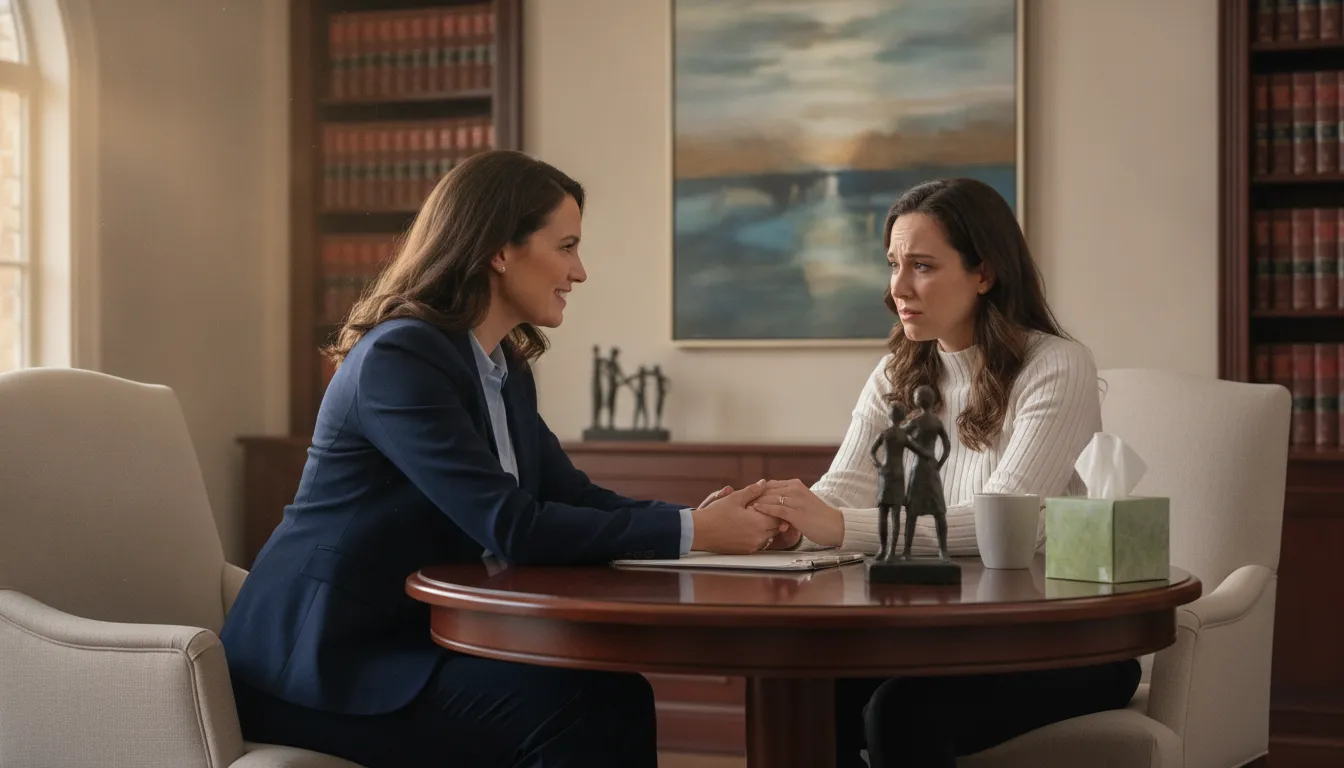
Learning that your child has cerebral palsy can bring medical questions, financial pressure, and uncertainty about what happened before or during birth. Contact us for a free consultation to discuss your concerns with a qualified birth-injury attorney through Counsel Hound’s referral network.
A cerebral palsy lawsuit may seek compensation when medical negligence, such as failing to respond to fetal distress. Using delivery tools improperly, or delaying a necessary C-section, caused or contributed to a child’s injury. The diagnosis alone does not establish negligence. A careful review of medical records and expert medical evidence is generally needed to evaluate whether the standard of care was breached and what compensation may be available.
Before considering liability or legal deadlines, it helps to understand cerebral palsy itself, including how it develops and the different forms it can take. That foundation can make later discussions about cause, care needs, and legal options more understandable.
Request a free case review to evaluate your child’s birth circumstances with a qualified attorney.
What Causes Cerebral Palsy and What Types Can It Take?
Cerebral palsy (CP) is a group of conditions caused by abnormal brain development or damage to the developing brain. This damage affects a person’s ability to control muscles and movement. The condition can also affect balance, posture, coordination, speech, swallowing, and other functions, depending on the areas of the brain involved. The Centers for Disease Control and Prevention (CDC) identifies cerebral palsy as the most common motor disability in childhood.
A diagnosis can raise difficult questions about what happened before, during, or shortly after a child’s birth. If you are concerned that medical negligence contributed to your child’s injury, a free consultation can help you understand whether speaking with a birth-injury attorney is appropriate. Counsel Hound connects families with qualified attorneys who can review the medical circumstances and explain potential legal options.
Congenital and acquired cerebral palsy
Most cerebral palsy is congenital, meaning it is related to events before or during birth. According to the CDC, congenital CP accounts for approximately 85% to 90% of all cases. In some situations, CP is acquired during the first years of a child’s life after an injury to the developing brain. Identifying when the brain injury occurred can be important medically, but the presence of CP alone does not establish that a healthcare provider caused it or acted negligently.
Risk factors may increase the likelihood of CP, but they do not by themselves prove a particular cause. A careful review of prenatal records, fetal monitoring, delivery records, neonatal care, and later medical history may be necessary to understand the events surrounding a diagnosis.
Four main types of cerebral palsy
The CDC describes four main types of CP, categorized according to the primary movement disorder:
- Spastic CP: This type causes stiff or tight muscles and exaggerated reflexes. It is the most common form, affecting about 80% of people with CP.
- Dyskinetic CP: This type involves involuntary movements that may affect the hands, arms, legs, face, or trunk. Movements can be slow and twisting or rapid and jerky.
- Ataxic CP: This type primarily affects balance, coordination, and depth perception. Walking and other controlled movements may be difficult.
- Mixed CP: A person may have characteristics of more than one type, such as both spasticity and dyskinetic movements.
Cerebral palsy does not worsen over time, although symptoms and support needs can change throughout a person’s lifetime. This distinction matters when families plan for therapy, equipment, education, daily assistance, and future care. It also helps explain why a medical and legal evaluation should consider both a child’s current needs and the likely long-term effects of the condition.
What Is a Cerebral Palsy Lawsuit?
A cerebral palsy lawsuit is a legal action seeking compensation for harm caused by medical negligence during pregnancy, labor, or delivery. It may be considered when a healthcare provider’s failure to meet the expected standard of care contributed to a child’s brain injury and resulting cerebral palsy. The purpose is not to change the diagnosis or assign blame for every difficult birth. It is to examine whether preventable medical errors caused avoidable harm and, if so, help the child and family address the resulting needs.
Not every case of cerebral palsy results from negligence. Cerebral palsy can have many causes, and determining what happened requires a careful review of prenatal records, fetal monitoring, delivery notes, neonatal care, and later medical evaluations. A legal claim generally must connect a specific medical error to the injury, rather than rely only on the fact that cerebral palsy was diagnosed after birth.
Examples of medical negligence
Potential negligence during labor and delivery may include failing to recognize or respond appropriately to signs of fetal distress. Fetal monitoring can provide important information about how a baby is tolerating labor. If concerning changes are overlooked or not addressed in a timely manner, the baby may face preventable harm. Other examples may include improper use of forceps or a vacuum device, or delaying a necessary Cesarean section when an urgent delivery is indicated.
These examples do not automatically establish liability. A qualified attorney and medical experts must evaluate whether the provider’s conduct departed from the applicable standard of care and whether that departure caused or contributed to the child’s injury. The review may also consider the timing of the medical decisions. The baby’s condition before and after delivery and whether another response could reasonably have prevented or reduced the harm.
This conversation can help you understand your child’s circumstances and learn what information may be important for an initial case review.
Families may pursue compensation for the substantial costs associated with lifelong medical care, therapy, adaptive equipment, and other support. A claim can also provide a legal process for seeking accountability when medical errors led to a preventable birth injury. Because the medical and legal issues are technical, parents should preserve relevant records and obtain legal guidance before making assumptions about whether a claim is available.
How Medical Negligence Can Lead to a Cerebral Palsy Lawsuit
A diagnosis of cerebral palsy does not, by itself, prove that medical negligence occurred. A legal claim generally requires evidence that a healthcare professional failed to provide the level of care expected in the circumstances and that this failure contributed to a child’s preventable birth injury. In other words, proving medical negligence requires demonstrating that a healthcare professional breached the applicable standard of care. The standard may depend on the stage of pregnancy, the mother’s condition, fetal monitoring results, and the circumstances of labor and delivery.
Potential negligence scenarios may include failing to recognize or respond appropriately to signs of fetal distress, using delivery tools improperly, or delaying a necessary C-section. These events require careful review because complications can have multiple possible causes, and not every poor outcome is the result of malpractice. Medical records, fetal-monitoring strips, orders, notes, imaging, and testimony from people involved in the delivery may help clarify what happened and when decisions were made.
What must be shown in a negligence claim
A claim typically involves more than identifying a mistake. It may require establishing that the provider owed a duty of care, the provider departed from the accepted standard. The departure caused or contributed to the injury, and the child and family experienced legally recognized damages. The medical-causation question can be particularly complex in cerebral palsy cases. An attorney may need to distinguish an injury associated with a preventable event from a condition arising from causes that medical professionals could not have prevented.
Because these questions involve specialized medical issues, evidence of malpractice in a cerebral palsy case often requires expert testimony. Qualified medical experts may review the records, explain what a reasonably careful provider would have done, and address whether a different response could have changed the outcome. This analysis can also help identify whether the concern involves prenatal care, monitoring during labor, delivery management, or care immediately after birth.
Parents who want to understand the legal grounds for medical malpractice claims can review the related medical malpractice resource. If a diagnosis or delayed diagnosis is part of the concern, legal guidance for medical misdiagnosis may also provide useful context.
A cerebral palsy lawsuit can help hold healthcare providers accountable for medical errors that lead to preventable birth injuries. Accountability is not a conclusion that should be reached without investigation, and pursuing a claim cannot undo what happened. It can, however, give a family a structured way to seek answers and address the costs and long-term needs associated with the injury.
Can Parents File a Cerebral Palsy Lawsuit?
Parents and, in some circumstances. Other legal caregivers may be able to pursue a cerebral palsy lawsuit on behalf of a child when the condition resulted from preventable medical negligence. A diagnosis alone does not establish that malpractice occurred. The central question is whether a healthcare professional failed to meet the applicable standard of care and whether that failure caused or contributed to the child’s injury.
That question can be difficult to answer, especially when a child’s medical history includes prenatal complications, an emergency delivery, or care from several providers. A legal consultation can help parents understand whether their child’s cerebral palsy might have been prevented and whether the available records support further investigation. Counsel Hound can connect families with vetted birth-injury attorneys who can evaluate the circumstances and explain potential options.
When a birth injury claim may be possible
Cerebral palsy related to birth trauma is sometimes the subject of birth-injury litigation. For example, the relevant medical history may raise questions about how fetal distress was monitored. Whether a response to warning signs was timely, or whether decisions during labor and delivery met accepted medical standards. These issues require careful review rather than assumptions based only on the timing of a diagnosis. The underlying legal question is whether the care fell below the required standard and caused a preventable injury.
Parents do not need to determine the medical cause on their own before seeking advice. Medical records, fetal-monitoring strips, imaging, neonatal records, and later treatment histories may provide important context. An attorney may also consult qualified medical professionals to assess the sequence of events. Because birth-injury claims involve technical medical and legal issues, legal representation is important when a family is considering a claim.
Families exploring legal support for birth injury cases may benefit from understanding how attorneys examine delivery-related injuries, medical records, and potential negligence. The specific facts of every child’s case are different, and an attorney should explain what evidence is relevant before a parent decides how to proceed.
Why a consultation can help parents make informed decisions
A consultation is an opportunity to describe what happened, ask questions, and learn whether additional investigation may be appropriate. An attorney may review the child’s diagnosis, pregnancy and delivery history, treatment needs, and available records. The attorney can also discuss potential defendants, the evidence needed to evaluate causation, and any filing deadlines that may apply. A consultation does not guarantee that a lawsuit will be filed or succeed, but it can give parents a clearer basis for deciding what to do next.
Parents often face these decisions while arranging therapy, medical appointments, adaptive equipment, and daily support for their child. Seeking legal guidance does not change the child’s diagnosis. But it may help a family understand its rights and whether another party should be held accountable for a preventable birth injury. Counsel Hound’s role is to match parents with qualified attorneys for that evaluation, not to litigate the claim itself.
What Compensation Can a Cerebral Palsy Lawsuit Provide?
A cerebral palsy lawsuit may seek compensation for the harm a child and family experience when medical negligence caused or contributed to a birth injury. The purpose is not to place a value on a child’s life. It is to address the practical costs of care and the personal losses that can follow a preventable injury. Each claim depends on the child’s condition, expected needs, available evidence, and the law in the relevant state.
Medical care, therapy, and adaptive equipment
Compensable losses may include past medical expenses and the projected cost of future treatment. Depending on the child’s needs, care may involve physician visits, medications, surgeries, rehabilitation, physical therapy, occupational therapy, speech therapy, and other services. A claim may also account for adaptive equipment, mobility devices, communication tools, and changes to the home that support safety and independence.
These needs can continue for many years. Cerebral palsy does not worsen over time, but symptoms and functional needs can change throughout a person’s lifetime. A careful damages assessment therefore looks beyond bills already incurred. It considers the likely course of care, the support the child may require as they grow, and the cost of maintaining appropriate treatment and equipment.
Past and future financial losses
Families may already have paid significant costs by the time they understand that a legal claim could be appropriate. A lawsuit may seek damages for those past expenses as well as reasonably supported future medical and care costs. The analysis can also consider the financial effect of caregiving. Including a parent’s reduced ability to work or the need for paid assistance when family care is no longer sufficient.
The lifetime cost of caring for a child with cerebral palsy can be substantial. That burden may affect housing, transportation, employment decisions, and the family’s ability to plan for the future. Calculating these losses usually requires medical records, care projections, and financial evidence rather than a simple estimate based on current bills. Compensation from a cerebral palsy lawsuit can help address the costs of lifelong medical care, therapy, and adaptive equipment. Learn more about compensation in cerebral palsy cases.
Pain, suffering, and other non-economic damages
Some claims also include non-economic damages, such as pain and suffering. These damages recognize losses that do not appear on an invoice, including physical discomfort, emotional distress. Limitations on daily activities, and the effect of the injury on a child’s quality of life. The availability and calculation of non-economic damages vary by state, and some jurisdictions impose legal limits or special rules.
Settlement or verdict amounts from other cerebral palsy cases are historical examples, not promises about a new claim. Even cases involving similar diagnoses can produce different results because the medical evidence, cause of injury, lifetime needs, defendants, insurance coverage, and state law may differ. An attorney can evaluate the facts and develop a damages analysis tailored to the child’s present and anticipated needs.
| Type of Damages | What It Covers | Common Example |
|---|---|---|
| Past and future medical expenses | Treatment already received and reasonably projected care | Surgeries, hospital stays, and medications. |
| Therapy and adaptive equipment | Ongoing therapy and tools that support mobility and communication | Physical therapy, wheelchairs, and speech devices. |
| Caregiving and lost income | Cost of paid assistance and a parent’s reduced ability to work | In-home care and missed work to provide support. |
| Non-economic damages | Losses that do not appear on an invoice | Pain, suffering, and reduced quality of life. |
Statute of Limitations: How Long Do You Have to File?
Time limits can affect whether a family may bring a cerebral palsy lawsuit, but there is no single deadline that applies across the country. The statute of limitations for filing a cerebral palsy lawsuit varies by state and can be complex. The applicable rule may depend on where the care occurred, when the injury was discovered, the child’s age, and the nature of the allegations. A deadline that applies to an ordinary personal injury claim may not apply in the same way to a birth injury claim.
In many jurisdictions, the general filing window is roughly two to three years from the child’s birth or from the date the injury was discovered. That range is only a broad point of reference, not a deadline parents should rely on. Special rules may extend, shorten, pause, or otherwise change the time available to file. For example, laws sometimes provide different treatment for minors, claims involving a child’s legal disability, or injuries that were not reasonably identifiable until later. Government defendants, health systems, and other parties may also have separate notice requirements.
Why birth injury deadlines require careful review
Cerebral palsy can involve complex medical questions, and parents may not immediately know whether complications during pregnancy, labor, or delivery contributed to the condition. A diagnosis may develop over time as a child reaches developmental milestones, receives evaluations, or begins therapy. That uncertainty does not automatically stop the limitations period from running. Waiting for complete answers before seeking legal guidance can create an avoidable risk.
Families should preserve medical records, delivery records, test results, therapy notes, and communications with healthcare providers as soon as possible. These materials can help an attorney identify the relevant dates and determine which state’s rules may govern the claim. They can also help distinguish a potentially preventable birth injury from a condition with another medical cause. Do not assume that a delayed diagnosis means there is no claim, or that a child’s minor status guarantees extra time.
For a broader overview of state-by-state rules, review this statute of limitations for birth injury lawsuits. Because exceptions and procedural requirements can change the analysis, parents should obtain state-specific legal advice promptly rather than calculate a deadline from a general online article. Counsel Hound can connect families with experienced attorneys who can evaluate the facts, identify applicable time limits, and explain the available options. An initial conversation can provide direction without requiring a family to decide immediately whether to pursue litigation.
Building a Strong Cerebral Palsy Injury Case
A strong birth injury case begins with a careful reconstruction of what happened before, during, and immediately after delivery. Parents may have concerns about whether a medical decision contributed to their child’s cerebral palsy. But those concerns must be evaluated against the medical record and the applicable standard of care. A case is not established simply because a child has cerebral palsy or because the birth was difficult.
The central legal question is whether a healthcare professional breached the standard of care, meaning the care that a reasonably careful provider would have given under comparable circumstances. Proving that breach may require showing that a provider failed to recognize or respond to a developing problem. Departed from accepted delivery practices, or did not take a medically appropriate step when the baby’s condition required it. The specific evidence depends on the circumstances of the pregnancy, labor, delivery, and neonatal care. Medical negligence in cerebral palsy cases must be connected to the injury through reliable medical analysis.
Medical records can reveal the sequence of events
Several categories of records may help attorneys and medical experts assess what occurred:
- Fetal monitoring strips, which may show changes in the baby’s heart rate and how the care team responded.
- Prenatal and delivery records, including notes about labor progression, interventions, medications, delivery tools, and the timing of important decisions.
- Neonatal records, such as notes about the baby’s condition at birth, resuscitation, oxygen needs, neurological findings, and the course of care after delivery.
- Diagnostic studies and later medical records that help explain the child’s diagnosis, symptoms, treatment needs, and developmental history.
Records should be reviewed together rather than in isolation. A single notation may not explain why a decision was made, while the timeline across monitoring strips, delivery notes, and neonatal observations may provide a clearer picture. Parents should preserve records they receive and identify the providers and facilities involved. An attorney can request additional records when the available documents are incomplete.
Expert testimony connects the evidence to the legal claim
Because these cases involve complex medical questions, evidence of malpractice often requires expert testimony. Medical experts may review the records, explain what the fetal monitoring showed, describe the response a competent provider would have taken. And evaluate whether a delay or other departure from accepted care could have contributed to the injury. Experts may also address causation, including whether the alleged breach more likely than not played a meaningful role in the child’s cerebral palsy. Their opinions must be grounded in the documented facts, not speculation.
A legal consultation can help parents understand whether their child’s cerebral palsy might have been preventable and whether the available evidence supports further investigation. Counsel Hound connects families with attorneys who can assess the medical and legal issues involved. Reach out for a free consultation to discuss the circumstances and possible next steps.
Lawsuits may also serve an accountability function when medical errors caused a preventable birth injury. That purpose does not change the need for objective evidence, expert review, and a case-specific evaluation. No outcome can be guaranteed, but a thorough review gives parents a clearer basis for deciding how to proceed.
Frequently Asked Questions
What is a cerebral palsy lawsuit?
A cerebral palsy lawsuit is a legal action seeking compensation when medical negligence during pregnancy, labor, or delivery may have caused a preventable birth injury. The claim generally examines whether a healthcare provider failed to meet the accepted standard of care and whether that failure contributed to the child’s condition.
Can parents sue if their child has cerebral palsy?
Parents or legal caregivers may be able to pursue a claim when evidence suggests that preventable medical negligence caused or contributed to the child’s cerebral palsy. A consultation can help assess the medical history, potential cause, and whether the case meets the legal requirements in the applicable state.
What evidence is needed for a cerebral palsy case?
Important evidence may include prenatal, labor, delivery, and neonatal medical records, along with records documenting the child’s diagnosis, treatment, and care needs. Expert testimony is often needed to evaluate whether providers breached the standard of care and to connect that breach to the injury.
How long after birth can a family file a claim?
The filing deadline, called the statute of limitations, varies by state and can depend on factors such as the child’s age. The type of claim, and when the injury was discovered. Because missing a deadline can affect legal rights, families should seek state-specific legal guidance promptly.
Schedule a Free Consultation
Understanding your child’s needs while considering a possible birth injury claim can feel overwhelming. A case review can help you understand whether the circumstances warrant further legal evaluation and what information may be useful. Schedule a free consultation and request a free case review with Counsel Hound. We can connect you with a qualified attorney who handles birth injury matters and can discuss the next steps with you.