After a tragic car accident, the path forward can feel completely obscured. You’re suddenly facing insurance adjusters, police reports, and a mountain of paperwork, all while coping with a profound loss. How do you prove what happened? What are your family’s rights? A fatal car accident lawyer provides the clarity you need in this confusing time. They are specialists who understand the specific steps required to build a wrongful death claim. They investigate the details, handle all communications, and create a clear strategy to secure your family’s future, turning a complex and overwhelming process into a manageable one.
Key Takeaways
- Hire a specialized attorney to handle the details: A fatal car accident lawyer manages the entire legal process, including the investigation and insurance negotiations, which gives your family the space to grieve without added stress.
- Act quickly to protect your rights: Strict legal deadlines, known as statutes of limitations, can prevent you from filing a claim if you wait too long. Contacting a lawyer soon after the accident ensures crucial evidence is preserved and deadlines are met.
- Don’t let cost stop you from seeking justice: Most wrongful death attorneys work on a contingency fee basis, so you pay nothing unless they win your case. The compensation you seek is meant to provide financial stability and hold the responsible party accountable for your family’s loss.
What Is a Fatal Car Accident Lawyer?
When a car accident results in the loss of a loved one, the grief can be overwhelming. A fatal car accident lawyer is a legal professional who specializes in these incredibly difficult situations. Their focus is on representing the surviving family members in what is known as a wrongful death claim. This type of claim arises when someone dies due to the negligence or wrongful actions of another person or entity.
The lawyer’s primary role is to help your family seek justice and financial compensation for your profound loss. They handle all the legal complexities so you can focus on grieving and healing. This includes investigating the accident, proving the other party was at fault, and calculating the full extent of your family’s damages. While no amount of money can replace your loved one, a successful claim can provide financial stability for the future by covering funeral expenses, lost income, and other costs. These cases fall under the broader category of personal injury law but require a very specific and compassionate approach.
The Types of Cases They Handle
Fatal car accident lawyers manage wrongful death claims that stem from a wide range of tragic circumstances. Their expertise is crucial in cases where another driver’s carelessness or recklessness led to the accident. This includes incidents involving drunk or impaired driving, distracted driving like texting, excessive speeding, or violating traffic laws. They also handle cases caused by defective products, such as faulty brakes or tires, or unsafe road conditions. Essentially, if another party’s actions or inaction directly contributed to the fatal crash, these specialized attorneys step in to hold them accountable and fight for the victim’s family.
How They Differ from Other Personal Injury Lawyers
While all fatal car accident lawyers are personal injury lawyers, not all
What Can a Fatal Car Accident Lawyer Do for You?
When you’re grieving the loss of a loved one, the last thing you want to deal with is a complicated legal process. A fatal car accident lawyer steps in to carry that weight for you. Their role goes far beyond filing paperwork; they become your advocate, investigator, and negotiator, working to secure justice and financial stability for your family so you can focus on healing. They handle every aspect of the case, from the initial investigation to the final resolution.
File and Manage Your Wrongful Death Claim
After a fatal accident, your family may be able to file a wrongful death claim to hold the responsible party accountable. A fatal car accident lawyer can help you handle the complex process of filing this claim. To succeed, your attorney must prove that the other party’s negligence or wrongful act caused the accident. This involves gathering specific documentation, meeting strict deadlines, and following precise legal procedures. Your lawyer manages all of these details, ensuring your claim is filed correctly and on time, which gives you the space to grieve without the added stress of legal administration.
Investigate the Accident and Collect Evidence
Building a strong case starts with a thorough investigation. An experienced law firm will immediately begin to collect and preserve crucial evidence. This includes obtaining the official police report, interviewing witnesses, and gathering photos or videos from the scene. They may also work with accident reconstruction experts to analyze the crash evidence and establish a clear timeline of events. By using medical records, expert testimony, and physical evidence, your attorney connects the dots to build a compelling case that clearly demonstrates how the other party was at fault.
Negotiate with Insurance Companies
Dealing with insurance companies can be incredibly difficult, especially after a traumatic event. Their primary goal is often to settle claims for the lowest amount possible. Hiring a lawyer ensures that your case is handled professionally, giving you peace of mind and the best chance at securing fair compensation. Your attorney will manage all communications with the insurance adjusters, protecting you from tactics designed to devalue your claim. A lawyer’s reputation is crucial, as insurance companies often consider how far they can push negotiations. A skilled attorney signals that you are serious about receiving a just outcome.
Represent You in Court
While many personal injury cases are settled out of court, it’s important to be prepared for trial. If the insurance company refuses to offer a fair settlement, your lawyer will be ready to take your case before a judge and jury. They will handle all aspects of the litigation process, from filing motions and presenting evidence to making arguments in the courtroom. Having a trial-ready attorney not only prepares you for court but also strengthens your position during settlement negotiations, as the other side knows you have a powerful advocate willing to fight for your family’s rights.
How to Choose the Right Fatal Car Accident Lawyer
Choosing a lawyer after losing a loved one is an incredibly difficult task, but it’s one of the most important decisions you’ll make. You need more than just a legal expert; you need a compassionate advocate who will handle the complexities of your case so you can focus on your family. The right attorney can make all the difference in securing the financial stability your family needs and holding the responsible parties accountable.
When you start your search, focus on a few key areas. Look for a lawyer with specific, proven experience in fatal car accident cases, as these claims are far more complex than a standard personal injury case. You’ll also want someone who communicates clearly and treats you with the compassion you deserve during this painful time. Understanding their fee structure is also crucial; most work on a contingency basis, meaning you pay nothing unless they win. Finally, a strong reputation and a track record of success are clear indicators of a lawyer’s ability to fight for you. Taking the time to evaluate these factors will help you find a trusted partner for the road ahead.
Look for Experience with Fatal Accident Cases
When evaluating a lawyer, go beyond general experience. Ask specifically about their history with wrongful death claims resulting from car accidents. An attorney who frequently handles these cases understands the specific laws that apply and knows how to build a compelling argument for maximum compensation. They have established relationships with investigators, accident reconstruction specialists, and economic experts who can provide critical evidence. This specialized knowledge is invaluable when it comes to proving negligence and demonstrating the full financial impact of your loss, from lost future income to the loss of companionship.
Prioritize Clear Communication and Compassion
You will be working closely with your lawyer, so it’s essential to find someone you can trust and communicate with easily. During your initial consultation, pay attention to how they listen to your story and answer your questions. A good attorney will explain your legal options without using confusing jargon and will set clear expectations for the process. Because they will be guiding you through one of life’s most difficult experiences, compassion is just as important as legal skill. You deserve a legal team that is not only a strong advocate in the courtroom but also a supportive partner.
Understand the Fee Structure
Concerns about cost should never be a barrier to getting legal help. The vast majority of fatal car accident lawyers operate on a contingency fee agreement. This means there are no upfront costs or hourly bills. The lawyer’s payment is a pre-agreed percentage of the final settlement or court award. If you don’t receive compensation, you owe no attorney fees. This model ensures your lawyer is motivated to secure the best possible outcome for you. Always confirm this arrangement during your free consultation and ask for a clear, written explanation of the fee structure and any potential case-related costs.
Review Their Reputation and Track Record
A lawyer’s past performance is often the best predictor of their future success. Before you hire someone, do your research. Read online reviews and client testimonials to get a sense of how they treat their clients and the results they achieve. Many firms also publish case results on their websites, which can demonstrate their experience with high-stakes litigation. A strong reputation does more than just give you peace of mind; it also sends a powerful message to the insurance company. They are more likely to offer a fair settlement when they know your lawyer has a history of winning in court.
Immediate Steps to Take After a Fatal Car Accident
The moments after a serious car accident are chaotic and overwhelming. When a crash results in a fatality, the emotional weight is immense. While you’re processing what happened, there are a few critical actions you can take to protect yourself and your family’s rights. Thinking clearly is difficult in these situations, so this guide breaks down the immediate steps into a manageable checklist. Following these steps can help ensure that you have the foundation for a strong legal claim if you decide to pursue one.
Secure the Scene and Call for Help
Your first priority is safety. If it’s possible and safe to do so, move the vehicles involved to the side of the road to prevent further collisions. Turn on your hazard lights immediately. Check on everyone involved and call 911 right away to request emergency medical services and police. Even if you feel fine, it’s important to get a medical evaluation, as some injuries aren’t immediately apparent. Reporting the accident is not just a legal requirement in many places; it’s the fastest way to get professional help to the scene for those who need it.
Preserve Evidence and Document Everything
If you are physically able, start documenting the scene. Use your phone to take photos and videos from multiple angles. Capture images of the vehicle damage, skid marks, road conditions, traffic signals, and any visible injuries. Exchange contact and insurance information with the other driver(s) involved. If there are witnesses, ask for their names and phone numbers. Their accounts can be incredibly valuable later. This evidence provides a snapshot of what happened and is essential for building a clear picture of the accident for insurance companies and legal proceedings.
Contact the Police
When law enforcement arrives, cooperate fully and provide a clear, factual statement about what happened. Avoid speculating or admitting fault. Stick to the facts as you remember them. The responding officer will create an official police report, which is a critical piece of evidence in any personal injury claim. This report will contain details about the accident, statements from those involved, and the officer’s initial assessment of the situation. Make sure you get the officer’s name, badge number, and the report number before you leave the scene.
Know When to Contact a Lawyer
After a fatal accident, it’s wise to speak with an experienced lawyer as soon as you can. Evidence can disappear quickly, and witnesses’ memories can fade. More importantly, there are strict deadlines, known as statutes of limitations, for filing a wrongful death claim. Missing this deadline can mean losing your right to seek compensation forever. An attorney can immediately begin preserving evidence and handling communications with insurance companies, giving your family the space to grieve. You can contact us for a free consultation to understand your options.
The Process of Filing a Wrongful Death Claim
Thinking about legal action after losing a loved one is overwhelming, but understanding the process can make it feel more manageable. Filing a wrongful death claim involves a series of structured steps, from determining who is eligible to file to building a strong case. Your attorney will guide you through each stage, handling the complex details so you can focus on your family. The goal is to hold the responsible party accountable and secure the financial stability your family needs to move forward. Here’s a look at the key phases of the process.
Who Is Eligible to File a Claim?
First, it’s important to know who can legally file a wrongful death claim. The laws on this vary from state to state, but generally, the right belongs to the people most affected by the loss. In most cases, only immediate family members, such as a surviving spouse, children, or the parents of the deceased, are eligible to file a wrongful death lawsuit. In some situations, a personal representative of the deceased’s estate may file the claim on behalf of the surviving family members. An experienced attorney can help you understand your state’s specific rules and confirm who is the appropriate party to take legal action for your personal injury case.
Your First Step: The Initial Consultation
Your first step is to speak with an attorney. This initial consultation is a chance for you to share the details of what happened and learn about your legal options without any pressure or financial commitment. Many car accident lawyers work on contingency with free consultations, so you pay nothing upfront. This means you can get professional legal advice and find the right support for your family without worrying about costs. At Counsel Hound, we offer a free consultation to listen to your story, answer your questions, and explain how we can help. It’s a confidential conversation designed to give you clarity and peace of mind.
Meet Filing Requirements and Deadlines
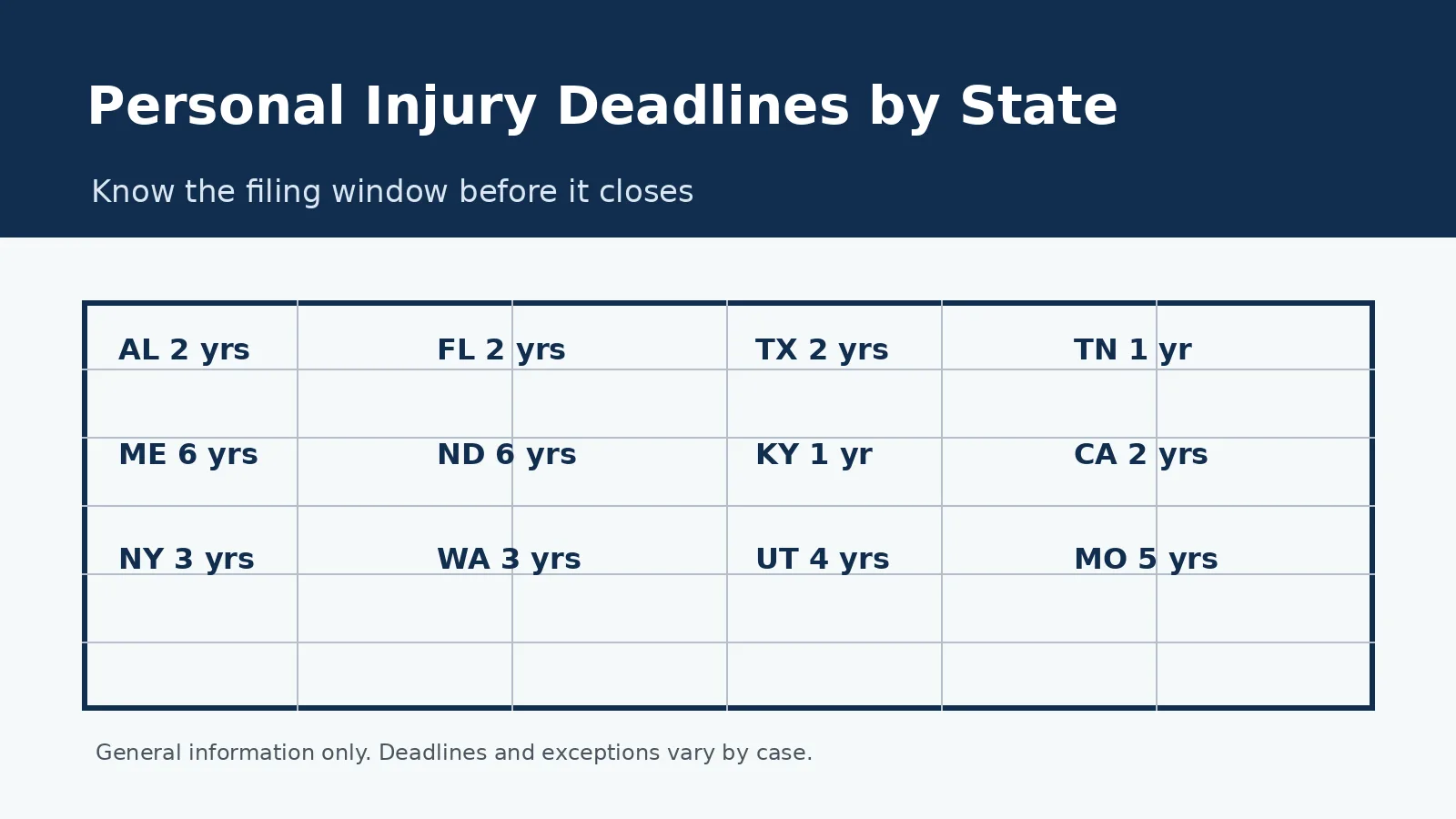
Every state has a strict deadline for filing a wrongful death lawsuit, known as the statute of limitations. This time limit can vary significantly, but it is often between one and three years from the date of the person’s death. If you miss this deadline, you will likely lose your right to seek compensation forever. This is one of the most critical reasons to contact a lawyer as soon as possible. Your legal team will manage all the necessary paperwork and ensure every document is filed correctly and on time. They will keep track of these crucial deadlines so you can focus on what matters most: your family’s well-being.
Develop Your Case in the Discovery Phase
Once the claim is filed, your legal team begins the discovery phase. This is where they build the foundation of your case by gathering all available evidence. This process can involve collecting police reports, interviewing witnesses, obtaining medical records, and consulting with accident reconstruction experts. In many wrongful death cases, families must interact with insurance companies or corporations, especially when the case involves an auto accident. Your lawyer will handle all of these communications for you, protecting your family from the tactics insurers often use to minimize payouts. This thorough investigation is key to proving fault and demonstrating the full extent of your family’s losses.
What Compensation Can Your Family Seek?
After losing a loved one in a car accident, thinking about money can feel overwhelming and even out of place. But seeking compensation is about more than just finances; it’s about securing your family’s future and holding the responsible party accountable. A wrongful death claim allows your family to pursue financial support for the tangible and intangible losses you’ve suffered.
The legal system generally groups this compensation into three main types: economic damages, non-economic damages, and, in some specific cases, punitive damages. Each one addresses a different aspect of your loss. Economic damages cover the direct financial costs, while non-economic damages acknowledge the deep emotional pain. Punitive damages are meant to punish extreme recklessness. Understanding what your family may be entitled to is a critical step in the legal process and can help you make informed decisions during a difficult time. An experienced lawyer can help you calculate the full extent of these damages to ensure your claim reflects the true impact of your loss.
Cover Financial Losses (Economic Damages)
Economic damages are the most straightforward type of compensation because they cover the specific, calculable financial losses your family has experienced. These are the bills and lost income that have a clear dollar amount attached to them. Your family can seek money for medical bills your loved one incurred before their passing, as well as the funeral and burial expenses.
Beyond these immediate costs, you can also claim compensation for the loss of future financial support your loved one would have provided. This includes their lost wages, benefits, and any inheritance the surviving family members might have received. The goal is to restore the financial stability that was taken from your family, helping you cover both present and future needs without the added stress of financial hardship.
Acknowledge Pain and Suffering (Non-Economic Damages)
Non-economic damages address the profound, personal losses that don’t come with a price tag. These damages are meant to compensate for the immense emotional and psychological toll the accident has taken on your family. While no amount of money can replace your loved one, this compensation is a legal acknowledgment of your suffering.
These less tangible losses include the grief, sorrow, and mental anguish you are experiencing. They also cover the loss of companionship, comfort, care, and guidance your loved one provided. For a surviving spouse, this could mean the loss of consortium, and for children, it means the loss of parental guidance. Calculating these damages is complex, but they are a vital part of any personal injury claim involving a fatality.
Understand When Punitive Damages Apply
Punitive damages are different from the other two types of compensation. They aren’t designed to cover a loss but to punish the person responsible for their actions and deter others from similar behavior. These damages are only awarded in cases where the at-fault driver was extremely careless or acted with malice.
For example, if the other driver was driving drunk or texting while speeding excessively through a school zone, a lawsuit can hold them accountable. In these situations, a court might award punitive damages to send a clear message that such reckless behavior is unacceptable. They are not granted in every case, but when they are, it is because the defendant’s conduct was so egregious that it warrants an additional penalty beyond covering the family’s losses.
Common Challenges Families Face
The legal journey after losing a loved one is filled with obstacles that can feel overwhelming. While you’re coping with grief, you’re also faced with a complex process that demands attention to detail and a clear understanding of your rights. Knowing these challenges ahead of time can help you prepare and find the right support to guide you through them.
Proving Who Was at Fault
To file a successful wrongful death claim, you must prove that another party’s negligence or wrongful act caused the accident. This is the cornerstone of any personal injury case. It involves a detailed investigation to gather crucial evidence, such as police reports, photos from the scene, witness testimony, and sometimes expert analysis from accident reconstruction specialists. For a family already dealing with a profound loss, taking on this investigative work is an enormous burden. An experienced attorney handles this entire process, building a strong foundation for your claim by clearly establishing who was responsible for the accident.
Calculating the Full Value of Your Loss
One of the most difficult parts of a wrongful death claim is being asked to place a monetary value on your loss. It feels impossible to quantify the life of a loved one. However, the law requires it to determine fair compensation. This calculation goes far beyond funeral expenses and final medical bills. It includes the deceased’s lost future earnings, loss of companionship, emotional pain and suffering, and the loss of guidance and support. A skilled lawyer works with financial experts to accurately assess the full economic and non-economic impact, ensuring your family’s long-term financial stability is considered.
Dealing with Insurance Company Tactics
After a fatal accident, you will likely have to interact with insurance companies. It’s important to remember that their primary goal is to protect their bottom line, which often means minimizing the amount they pay out on claims. Adjusters may try to offer a quick, low settlement before you understand the full value of your loss, or they might attempt to shift blame for the accident onto your loved one. Having a lawyer act as your representative is critical. They can handle all communications with the insurance company, protect you from these tactics, and negotiate for a settlement that truly reflects what your family is owed.
Managing the Emotional Toll of the Process
Losing someone you love is one of the most painful experiences imaginable, and the stress of a legal case can compound that grief. The process involves deadlines, paperwork, and difficult conversations that can be emotionally draining. You don’t have to carry this weight alone. A compassionate legal team can manage the procedural details, allowing you and your family the space to focus on healing. Taking legal action can also provide a sense of justice and closure, but it’s a journey best taken with support. If you’re feeling overwhelmed, you can contact us for a free consultation to take a positive first step.
How Long Do You Have to File a Claim?
After losing a loved one, legal deadlines are probably the last thing on your mind. However, every state has strict time limits for filing a wrongful death claim. These laws, known as statutes of limitations, are not flexible. If you miss the deadline, you may lose your right to seek compensation forever.
Understanding the specific timeline that applies to your case is one of the most critical first steps. The clock starts ticking from the date of the person’s passing, and it’s essential to act before time runs out. This is why connecting with a legal professional early in the process can make all the difference.
Understanding the Statute of Limitations
The statute of limitations is the legal term for the deadline to file a lawsuit. For a fatal car accident, this deadline varies by state. For example, in California, families generally have two years from the date of the death to file a wrongful death claim. This might seem like a long time, but building a strong case requires thorough investigation and preparation, which can be a lengthy process.
Failing to file your claim within this window can have permanent consequences, as the court will likely dismiss your case, regardless of how strong it is. This is why it’s so important to understand the specific laws in your state and how they apply to your family’s personal injury case.
What Can Change Your Filing Deadline?
While the standard statute of limitations provides a general guideline, certain circumstances can shorten or alter your filing deadline. For instance, if your claim is against a government agency, perhaps for a poorly maintained road, the deadline could be much shorter. In some states, you may only have six months to file an initial notice of your claim.
Other factors, like the complexity of the evidence or the tactics used by the defense, can also impact your case’s timeline. Because these rules can be so complex, getting legal advice quickly is the best way to protect your rights. An experienced attorney can help you identify the correct deadline and ensure all paperwork is filed on time. You can contact us for a free consultation to understand the specific deadlines for your case.
Common Myths About Fatal Car Accident Cases
When you’re grieving the loss of a loved one, the last thing you need is misinformation. Unfortunately, there are many myths surrounding fatal car accident cases that can stop families from getting the support and justice they deserve. Let’s clear up a few of the most common misconceptions so you can make informed decisions for your family during this incredibly difficult time. Understanding the truth can help you see a clear path forward.
Myth: “I Can’t Afford a Lawyer”
This is one of the biggest and most damaging myths. The thought of legal fees can be overwhelming, especially when you’re already dealing with unexpected expenses. However, most personal injury law firms, including Counsel Hound, work on a contingency fee basis. This means you don’t pay any attorney fees unless we win your case. The lawyer’s payment comes from a percentage of the settlement or award. This approach ensures that everyone has access to quality legal representation, regardless of their financial situation. You can start the process with a free consultation to discuss your case without any financial risk.
Myth: “My Case Will Definitely Go to Trial”
Many people picture a dramatic courtroom battle when they think of a legal claim, but that’s rarely the reality. The vast majority of personal injury cases are resolved through negotiations and settled out of court. A trial can be a long, expensive, and emotionally draining process for everyone involved. For this reason, both sides are often motivated to reach a fair settlement agreement. An experienced attorney will prepare your case as if it’s going to trial, but their primary goal is often to secure a just settlement for you through skilled negotiation.
Myth: “It’s Just About the Money”
This myth couldn’t be further from the truth. While financial compensation is a component of a wrongful death claim, it’s not the main motivation for most families. Filing a claim is about seeking justice for your loved one and holding the responsible party accountable for their actions. The compensation helps cover very real financial burdens, such as funeral costs, medical bills, and the loss of future income your family was depending on. For many, it’s about ensuring that what happened to their family doesn’t happen to someone else. At its core, a wrongful death claim is a pursuit of accountability.
Settlement vs. Trial: What to Expect
One of the most common questions families ask is whether their case will end up in a courtroom. The reality is that the vast majority of personal injury and wrongful death claims are resolved through a settlement before a trial ever begins. A settlement is a formal agreement where the at-fault party’s insurance company agrees to pay an agreed-upon amount of compensation to end the claim. This process avoids the time, expense, and uncertainty of a trial.
However, reaching a fair settlement isn’t always straightforward. It involves a period of investigation, evidence gathering, and intense negotiation. If the insurance company refuses to offer a fair amount that covers your family’s losses, your lawyer may recommend filing a lawsuit and preparing for trial. While going to court can feel intimidating, sometimes it’s the necessary step to hold the responsible party accountable and secure the compensation your family deserves. An experienced legal team can guide you through either path, always keeping your best interests at the forefront.
The Settlement Process
The settlement process begins once your lawyer has a clear picture of the accident and the full extent of your family’s damages. They will send a demand letter to the insurance company outlining the facts of the case, establishing the other party’s fault, and detailing the compensation you are seeking. What follows is a series of negotiations. The insurance company’s adjuster will respond, usually with a much lower offer, and the back-and-forth begins.
Having a skilled attorney is crucial here. Studies show that victims who have legal representation often receive higher settlements. An attorney’s reputation also matters, as insurance companies are more likely to make a fair offer when they know your lawyer is prepared and willing to go to trial. Your lawyer handles all communication, protecting you from lowball offers and pressure tactics while fighting for a personal injury settlement that truly reflects your loss.
Why a Case Goes to Trial
A case proceeds to trial when settlement negotiations break down. This typically happens if the insurance company disputes who was at fault for the accident or refuses to offer a settlement that adequately covers your family’s financial and emotional losses. Filing a lawsuit can be a powerful strategic move, signaling to the insurance company that you are serious about receiving fair compensation. Often, the act of filing a lawsuit is enough to bring them back to the negotiating table with a better offer.
If a fair agreement still can’t be reached, the case moves toward trial. This is where your attorney will present your case before a judge and jury, who will then determine liability and the amount of damages. While a trial can be a longer and more emotionally taxing process, it is sometimes the only way to achieve justice. The legal team at Counsel Hound is always prepared to take this step when it’s in your best interest.
Key Factors That Influence the Outcome
Whether your case settles or goes to trial, a few key factors will heavily influence the final outcome. The most critical element is proving that the other party was at fault for the accident. Your attorney will use evidence like police reports, witness statements, and expert testimony to build a strong case that clearly establishes liability. Without clear proof of fault, it is very difficult to secure compensation.
Another crucial factor is accurately calculating the full value of your losses. This includes tangible economic damages like medical bills, funeral expenses, and lost future income, as well as non-economic damages for pain, suffering, and loss of companionship. Determining the value of these losses is one of the most complex parts of a wrongful death claim. A successful outcome depends on presenting a well-documented and persuasive argument for the compensation your family needs to move forward.
Related Articles
Frequently Asked Questions
How much does it cost to hire a fatal car accident lawyer? Concerns about cost should never prevent you from seeking legal help. Nearly all fatal car accident lawyers work on a contingency fee basis. This means you pay no upfront fees to hire them. The attorney’s payment is a percentage of the final settlement or court award they secure for your family. If you don’t receive compensation, you don’t owe any attorney fees, which removes the financial risk from seeking justice.
Will my family have to go to court? It’s a common worry, but the vast majority of wrongful death cases are resolved through a settlement without ever going to trial. A settlement is a negotiated agreement with the at-fault party’s insurance company. An experienced lawyer will prepare your case as if it will go to trial, but their goal is often to secure a fair settlement for your family through skilled negotiation, which avoids the stress and uncertainty of a courtroom.
What should I do if the other driver’s insurance company calls me? It is best to avoid speaking with the other party’s insurance adjuster directly. You can be polite, but you are not obligated to give them a recorded statement or accept any initial offers they make. Simply tell them that you are not prepared to discuss the matter and that your attorney will be in contact. This protects your family’s rights and prevents you from unintentionally saying something that could harm your claim.
How long does a wrongful death case usually take to resolve? The timeline for a wrongful death case can vary quite a bit. Some cases may settle within several months, while more complex ones could take a year or longer, especially if a trial becomes necessary. The duration depends on factors like the clarity of who was at fault, the amount of evidence to collect, and the willingness of the insurance company to negotiate a fair settlement. Your attorney can give you a more specific estimate based on the details of your situation.
What is the main difference between a wrongful death claim and a personal injury claim? A personal injury claim is filed by a person who was injured in an accident to recover compensation for their own medical bills, lost wages, and suffering. A wrongful death claim is different because it is filed by the surviving family members of someone who died in an accident. The compensation in a wrongful death case is meant to cover the losses the family has suffered, such as funeral expenses, lost financial support, and the loss of companionship.