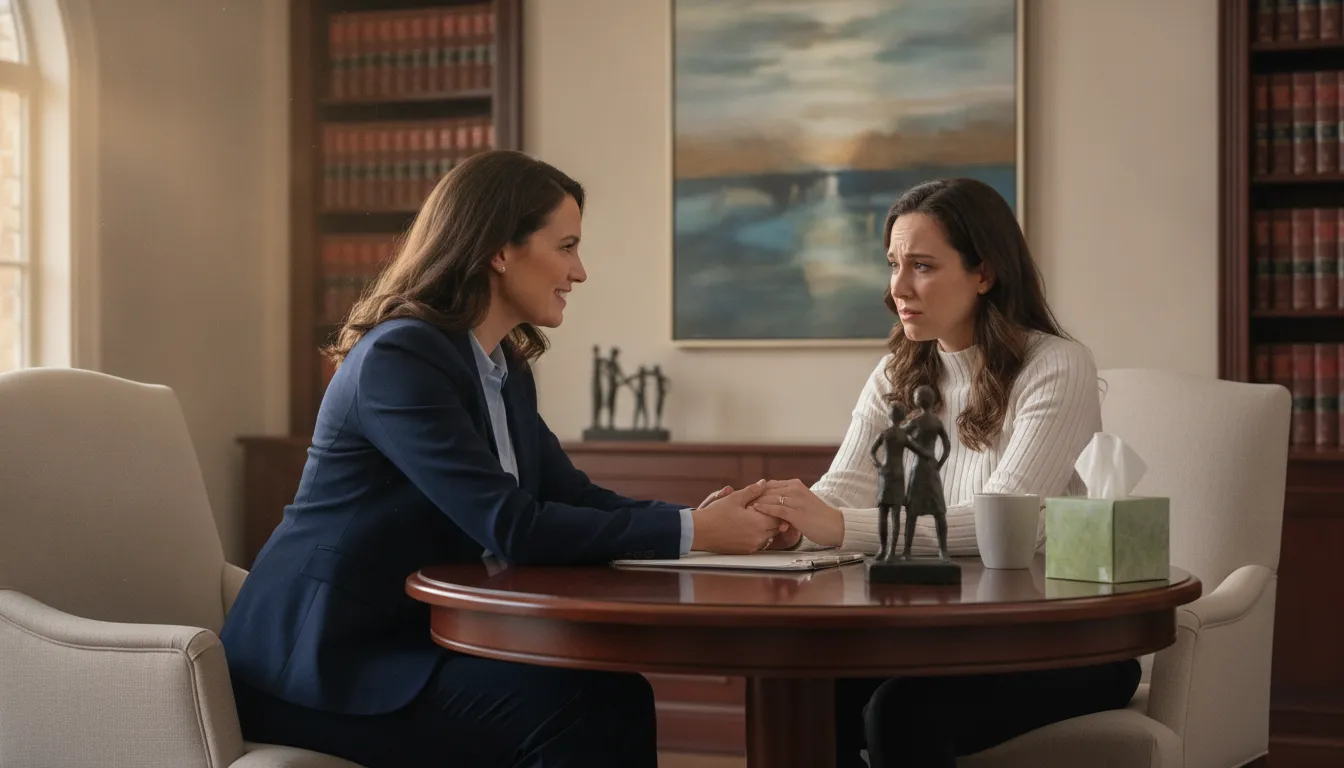
One of the biggest worries after an accident is money. Medical bills can stack up quickly, and if you’re unable to work, the financial strain can feel unbearable. Many people hesitate to seek legal help because they think they can’t afford it, but that’s a common misconception. The right bicycle accident lawyer works on a contingency fee basis, which means you pay nothing upfront. Their fee is a percentage of the settlement they win for you, so if you don’t get paid, they don’t either. This approach removes the financial risk and allows you to get expert legal guidance when you need it most, ensuring your case is built for success from day one.
Key Takeaways
- Document Everything Immediately After an Accident: Your first steps should be to seek medical care and create a record of what happened. A police report, photos of the scene, and a doctor’s evaluation are the foundational pieces of a strong claim.
- Let a Lawyer Handle the Legal Work: Hiring an attorney takes the burden of paperwork, deadlines, and negotiations off your shoulders. They work on a contingency fee, meaning they only get paid if you win, so you can focus entirely on getting better.
- A Fair Settlement Accounts for Future Needs: True compensation goes beyond current medical bills. It should cover long-term impacts like future treatments, lost earning ability, and the physical and emotional pain caused by the accident.
Why Hire a Bicycle Accident Lawyer?
After a bicycle accident, you’re likely dealing with injuries, stress, and a lot of uncertainty. While your first priority is your health, you might also wonder if you need legal help. Bringing a lawyer onto your team can make a significant difference in your recovery, both physically and financially. They handle the complex legal details so you can focus on getting better.
Know Your Legal Rights After an Accident
It’s easy to feel overwhelmed after a crash. You’re in pain, medical bills are piling up, and you might be getting calls from insurance adjusters. An experienced lawyer cuts through the confusion. Bicycle accidents can lead to very serious injuries, and a skilled attorney understands the specific challenges these cases present. They know how to properly value your claim and deal with insurance companies that may not have your best interests at heart. Think of them as your dedicated advocate, ensuring your voice is heard and your rights are protected when you need it most.
What Kinds of Cases Do They Handle?
A bicycle accident lawyer’s main goal is to help you get fair compensation for everything you’ve lost. This isn’t just about immediate costs; it’s about securing your financial stability for the future. They handle personal injury claims to recover money for your medical treatments, from the emergency room visit to ongoing physical therapy. They also fight for compensation for your damaged property (like your bike), any wages you lost from being unable to work, and the physical and emotional pain the accident caused. A lawyer builds a comprehensive case to ensure all of your damages are accounted for.
Common Myths About Hiring a Lawyer
Many people hesitate to call a lawyer because of a few common misconceptions. One of the biggest myths is that you can settle a claim on your own. The reality is that insurance companies often try to pay as little as possible, and you might accept an offer that’s far less than you deserve. Another major misconception is that hiring a lawyer is too expensive. Most personal injury attorneys work on a contingency fee basis. This means you pay nothing upfront, and they only get paid if they win your case. There’s no financial risk to getting expert legal advice, so you have nothing to lose by scheduling a free consultation.
First Steps to Take After a Bicycle Accident
The moments after a bicycle accident are often disorienting and stressful. What you do right away can have a significant impact on both your physical recovery and your ability to secure fair compensation for your injuries. While it’s hard to think clearly when you’re shaken up, focusing on a few key actions can protect your health and your legal rights. These steps help create a clear record of what happened and ensure you have the evidence needed to build a strong case.
What to Do at the Scene
Your first priority is safety. If you can, move out of the way of traffic. Then, call 911 immediately, even if the accident seems minor. A police report creates an official, unbiased record of the incident, which is crucial for any personal injury claim. While waiting for help to arrive, use your phone to take pictures and videos of everything—the scene, your bike, the other vehicle, any road hazards, and your injuries. This visual evidence captures details you might forget later and can be incredibly powerful in showing what really happened.
Document Your Injuries
Always seek medical attention after a crash. Some serious injuries, like concussions or internal bleeding, don’t always show immediate symptoms. Getting checked out by a doctor not only protects your health but also creates a medical record that officially links your injuries to the accident. This documentation is essential when it comes to proving the extent of your damages. Be sure to tell the medical staff exactly what happened and describe all your symptoms, no matter how small they seem. Following through with all recommended treatments is just as important.
Preserve Key Evidence
Beyond the photos you take at the scene, gathering other evidence is key. If there were any witnesses, get their names and contact information. Their accounts can provide an objective perspective on the accident. Once you have the police report, keep a copy with your records. It’s also a good idea to save your damaged bicycle, helmet, and any torn or bloody clothing. Don’t try to repair anything. These items serve as physical proof of the accident’s impact. Having this evidence organized will help your attorney build the strongest possible case when you contact us for a consultation.
Who to Talk To (and Who to Avoid)
After an accident, be careful what you say and to whom. You should never admit fault or even apologize at the scene, as it can be used against you later. It’s also critical that you avoid speaking with the other driver’s insurance company before you’ve talked to a lawyer. An insurance adjuster’s goal is to settle the claim for as little as possible, and they may try to get you to make a recorded statement that undermines your case. Politely decline to speak with them and direct all communication to your attorney. This ensures your rights are protected from the start.
How a Bicycle Accident Lawyer Can Help
After a bicycle accident, you’re likely dealing with injuries, stress, and a growing pile of bills. The last thing you need is the added burden of a complex legal battle. This is where a dedicated lawyer steps in. Think of them as your professional advocate—someone who handles the heavy lifting so you can focus on your recovery. From gathering evidence to facing down insurance companies, a skilled attorney manages every aspect of your case. They work to ensure your rights are protected and that you receive the fair compensation you deserve for what you’ve been through.
Investigating the Accident
Building a strong case starts with a thorough investigation, and this is something a lawyer is uniquely equipped to handle. They know exactly what evidence is needed to prove what happened and who is at fault. Your attorney and their team will get to work gathering police reports, tracking down and interviewing witnesses, and obtaining any available traffic or security camera footage. They can even hire accident reconstruction experts to piece together the moments leading up to the crash. This detailed investigation uncovers the facts needed to build a compelling claim on your behalf.
Dealing with Insurance Companies
Insurance companies are businesses, and their primary goal is to protect their bottom line by paying out as little as possible. Adjusters may try to get you to accept a quick, lowball offer or even attempt to shift the blame for the accident onto you. A personal injury lawyer acts as a crucial buffer between you and the insurance company. They will handle all communications, preventing you from saying something that could be used against you later. Your attorney will fight back against unfair tactics and make it clear that you won’t be taken advantage of.
Managing All the Paperwork
A personal injury claim involves a mountain of paperwork, from filing official legal documents to managing medical records and communicating with providers. Keeping track of deadlines and ensuring every form is filled out correctly is a full-time job, and it’s incredibly stressful when you’re also trying to heal. Your lawyer takes this entire burden off your shoulders. They will manage all the documentation, file your claim correctly, and ensure every deadline is met. This frees you up to concentrate on what truly matters: your health and well-being.
Negotiating Your Settlement
One of the most critical roles your lawyer plays is calculating the full value of your claim and negotiating a fair settlement. This isn’t just about your current medical bills. They will account for future medical treatments, lost wages from time off work, damage to your bike, and the physical and emotional pain and suffering you’ve endured. Armed with strong evidence from their investigation, your attorney will present a demand to the insurance company and negotiate skillfully to get you the maximum compensation possible.
Preparing for Trial, If Necessary
Most bicycle accident cases are settled out of court. However, if the insurance company refuses to offer a fair settlement, you need a lawyer who is ready and willing to take your case to trial. The willingness to go to court often gives your attorney more leverage during negotiations. They will prepare your case for the courtroom, handling everything from witness preparation to legal arguments. Because we work on a “no fees until we win” basis, you can have peace of mind knowing your legal team is prepared to go the distance for you.
What Compensation Can You Expect?
After an accident, one of the biggest sources of stress is money. Between medical bills piling up and time off work, it’s natural to wonder what kind of financial recovery is possible. The goal of a bicycle accident claim is to secure compensation that covers the full scope of your losses—not just the immediate bills, but the long-term impact on your life and finances as well. This compensation, often called “damages,” is meant to help you get back on your feet without bearing the financial burden of an accident you didn’t cause.
The total amount of compensation varies widely from case to case because it’s calculated based on your specific circumstances. Factors like the severity of your injuries, the cost of your medical treatment, the amount of work you’ve missed, and the overall effect on your daily life all play a significant role. An experienced attorney can help you identify all potential damages to ensure you are pursuing the full and fair amount you deserve. They will work to build a clear picture of your losses to present to the insurance company or, if necessary, to a court.
What Does a Settlement Cover?
A settlement is an agreement that provides payment to cover the harm you’ve suffered. Think of it as a comprehensive package designed to address every aspect of your losses. A successful personal injury claim accounts for both the tangible, out-of-pocket costs and the more personal, intangible impacts of the accident.
These damages are typically broken down into two main categories. The first is “economic damages,” which are the measurable financial losses like medical bills and lost income. The second is “non-economic damages,” which compensate you for personal hardships that don’t have a clear price tag, such as pain and suffering. A fair settlement should include a thoughtful calculation of both.
Covering Your Medical Bills
Medical expenses are often the most immediate and overwhelming cost after a bicycle accident. Compensation for a medical injury should cover every related expense, from the initial ambulance ride and emergency room visit to any ongoing care you might need.
This includes costs for surgeries, hospital stays, doctor’s appointments, prescription medications, and physical therapy. It’s not just about the bills you’ve already received; a thorough claim also accounts for future medical needs. If your injury requires long-term rehabilitation, future surgeries, or assistive devices, those projected costs should be factored into your settlement to ensure you’re not left paying for them down the road.
Recovering Lost Wages
Being unable to work because of an injury can put a major strain on your finances. That’s why compensation for lost wages is a critical part of any bicycle accident claim. This covers the income you’ve already missed out on while recovering from your injuries. You can prove these losses with pay stubs, employment records, and letters from your employer.
Furthermore, if your injuries are severe enough to affect your ability to work in the future, you may also be able to claim compensation for “loss of future earning capacity.” This applies if you have to switch to a lower-paying job or can no longer work at all. It helps secure your financial stability when an accident has permanently altered your career path.
Compensation for Pain and Suffering
Some of the most significant impacts of an accident aren’t financial. Compensation for pain and suffering is intended to acknowledge the physical pain and emotional distress you’ve endured. This can include things like anxiety, depression, fear, and the general loss of enjoyment in life that comes from being unable to do the activities you once loved.
While no amount of money can erase this hardship, it provides a form of justice and recognizes the profound personal toll the accident has taken. Calculating this type of compensation is complex, as it’s highly subjective. An attorney can help demonstrate the extent of your suffering using medical records, testimony from friends and family, and your own personal account of how the accident has affected you.
How Do Contingency Fees Work?
Worrying about how to afford a lawyer shouldn’t stop you from getting the help you need. Most personal injury attorneys work on a contingency fee basis, which means you don’t pay any legal fees upfront. Instead, the lawyer’s fee is a percentage of the final settlement or award they secure for you. If you don’t win your case, you don’t owe them a fee.
This arrangement allows you to access high-quality legal representation without any financial risk. The typical percentage ranges from 30% to 45%, with the exact amount agreed upon at the start of your case. This “no fees until we win” model is central to our approach, as it ensures our goals are perfectly aligned with yours: getting you the best possible outcome.
How to Choose the Right Lawyer for You
Finding the right lawyer can feel overwhelming, but it’s one of the most important decisions you’ll make for your case. Think of it like choosing a doctor—you want someone with the right specialty who you can trust completely. The goal is to find a legal partner who not only has the right skills but also makes you feel confident and supported throughout the entire process. Your lawyer will be your advocate, your guide, and your voice, so taking the time to choose carefully is a critical step toward getting the compensation you deserve. It’s about finding the right fit for you and your specific situation.
Look for Relevant Experience
When you start your search, experience should be your top priority. But not just any legal experience will do. You need an attorney who has a deep understanding of personal injury law, specifically as it applies to bicycle accidents. These cases have unique challenges, from dealing with traffic laws to understanding the common types of injuries cyclists face. An experienced lawyer knows the local laws, has relationships with medical experts, and understands the tactics insurance companies use. Look for attorneys who have a proven track record in handling cases similar to yours, as this shows they have the specific knowledge needed to build a strong claim on your behalf.
Check Their Track Record
Beyond general experience, you want to see a history of success. A lawyer’s track record tells you if they can deliver results. Don’t be afraid to ask about their past cases. While they can’t share confidential details, they can often provide examples of settlements or verdicts they’ve secured for clients in similar situations. Look for testimonials or reviews from former clients. A strong track record in bicycle accident cases demonstrates that the lawyer not only knows the law but also knows how to win. It’s proof that they can effectively value a claim, negotiate with insurers, and, if necessary, successfully argue a case in court.
Find a Communication Style That Works for You
The legal process can be long and complicated, so clear and consistent communication is essential. You need a lawyer who will keep you informed about the progress of your case and is available to answer your questions without making you feel like a bother. During your initial consultation, pay attention to how they explain complex legal concepts. Do they use plain language? Are they patient and willing to listen to your concerns? The right lawyer will be responsive and make sure you understand every step of the process. You should feel like a partner in your case, not just another file on their desk.
Key Questions to Ask During Your Consultation
Your initial consultation is your chance to interview a potential lawyer and see if they’re the right fit. Come prepared with a list of questions to help you make an informed decision. This is a crucial step in finding an advocate you can trust.
Here are a few key questions to ask:
- How many bicycle accident cases have you handled?
- What is your approach to handling claims like mine?
- How will you and your team communicate with me and how often?
- Based on the details I’ve shared, what are the potential strengths and weaknesses of my case?
- What is your fee structure?
Asking these questions will give you a clear picture of their expertise and approach. It also helps you find a lawyer who you feel comfortable working with as you move forward with your claim.
What to Expect from the Legal Process
Navigating the legal system after an accident can feel like a lot to handle, but your attorney is there to guide you through every phase. While each case has its own unique details, the process generally follows a clear path. It starts with a simple conversation and moves through investigation, negotiation, and, only if necessary, a trial. Understanding these stages can help you feel more prepared for what’s ahead. Your lawyer will manage the complex legal work, which lets you concentrate on your recovery. The main goal is to build a strong case on your behalf and secure the compensation you need to move forward.
The First Step: Evaluating Your Case
Your journey begins with an initial consultation. This is your opportunity to share your story and for an attorney to review the specifics of your accident. When you’re looking for legal help, experience should be a top priority. You want a team with a proven track record in handling personal injury claims just like yours. During this first meeting, the lawyer will assess the strength of your case, explain your legal options, and answer any questions you have. This evaluation is completely free and comes with no obligation, giving you the clarity you need to decide on your next steps.
Filing Your Claim and Meeting Deadlines
Once you decide to move forward, your lawyer will prepare and file all the official paperwork to start your claim. This step is extremely time-sensitive. Every state has a strict time limit, known as the statute of limitations, for filing a bicycle accident claim. If you miss this deadline, you could lose your right to seek compensation forever. This is why it’s so important to act quickly after an accident. An experienced attorney will ensure all deadlines are met and that your claim is filed correctly, protecting your rights from the very beginning. Don’t wait to get in touch and start the process.
The Negotiation Phase
After your claim is filed, the negotiation process begins. This is where your lawyer communicates directly with the at-fault party’s insurance company. It’s crucial to remember that insurance companies often try to minimize their payouts by blaming the cyclist or making lowball offers. You should never accept an offer from an insurer without speaking to your lawyer first. Your attorney will handle all these discussions, presenting the evidence they’ve gathered to argue for a fair settlement that covers your medical bills, lost wages, and pain and suffering. This is a critical stage where having a skilled negotiator on your side makes all the difference.
Reaching a Settlement
The vast majority of bicycle accident cases are resolved before they ever reach a courtroom. Most are settled through direct negotiations between your lawyer and the insurance company. A settlement is a formal agreement where you receive an agreed-upon amount of compensation in exchange for dropping the lawsuit. Your attorney will advise you on whether a settlement offer is fair and in your best interest. The goal is always to achieve the best possible outcome for you without the added time, stress, and expense of a trial. If a fair agreement can be reached, it provides a clear and final resolution.
What Happens if Your Case Goes to Court
If the insurance company refuses to offer a fair settlement, your case may need to go to court. While this is less common, it’s important to have a legal team that is fully prepared to represent you at trial. Going to trial involves more intensive work, from witness preparation to presenting arguments before a judge and jury. Because of this additional effort, the contingency fee for a trial is typically higher. However, this is a risk your law firm takes on. With Counsel Hound’s “no fees until we win” promise, you still won’t pay anything unless your case is successful.
Common Roadblocks in a Bicycle Accident Case
Getting the compensation you deserve after a bicycle accident should be straightforward, but the reality is often more complicated. Even with a seemingly clear-cut case, you can run into frustrating obstacles designed to delay or deny your claim. From dealing with uncooperative insurance companies to the simple challenge of proving what happened, the path to a fair settlement is rarely a straight line.
Understanding these potential hurdles is the first step toward overcoming them. Insurance adjusters have their own playbook, determining fault can be a complex puzzle, and the clock is always ticking on your legal deadlines. Knowing what to expect can help you protect your rights and make informed decisions. An experienced legal team can guide you through these challenges, handling the tough parts so you can focus on your recovery. The key is to be prepared for what’s ahead and to have a strong advocate in your corner who knows how to counter these common tactics and keep your case moving forward.
Handling Insurance Company Tactics
After an accident, you’ll likely hear from the at-fault party’s insurance company very quickly. It’s important to remember that their goal is to protect their bottom line, not to give you a fair payout. Insurance adjusters often try to get you to accept a quick, lowball offer before you know the full extent of your injuries and expenses. They might also try to record a statement from you, hoping you’ll say something they can use to assign blame to you.
It’s a common strategy to shift responsibility or downplay the severity of the incident. You should never accept an offer or provide a recorded statement without first speaking to an attorney. A lawyer who handles personal injury cases can communicate with the insurance company on your behalf, ensuring your rights are protected from these pressure tactics.
What if Fault is Disputed?
Proving who was at fault in a bicycle accident isn’t always simple. The other party might deny responsibility, or there could be multiple factors that contributed to the crash. For example, was a stop sign obscured by a tree branch? Was the road poorly maintained, creating a hazard? These details matter. In some cases, a third party, like a city government responsible for road design or a manufacturer of a faulty bike part, could share some of the blame.
When fault is disputed, a thorough investigation is essential. An experienced attorney will dig into the details, gathering evidence from the scene, consulting with accident reconstruction experts if needed, and building a clear argument to establish liability. If you’re unsure about the details of your accident, a free consultation can help you understand your options.
Challenges in Gathering Evidence
Building a strong bicycle accident claim requires solid evidence, but collecting it can be a major challenge, especially when you’re trying to recover from your injuries. You’ll need to gather police reports, track down witness contact information, take photos of the accident scene and your injuries, and keep detailed records of all your medical treatments and related expenses. It’s a lot to manage on your own.
This is where a legal team can lift a significant burden. Your attorney and their staff will handle the legwork of gathering all necessary documentation and evidence. They know what’s needed to build a compelling case and will manage the entire process of filing claims and communicating with all involved parties. This allows you to put your energy where it’s needed most: on your health and well-being.
Don’t Miss the Statute of Limitations
One of the most critical roadblocks in any personal injury case is the statute of limitations. This is a strict legal deadline for filing a lawsuit. If you miss this deadline, you will likely lose your right to seek compensation forever, regardless of how strong your case is. Each state has its own time limits, and they can vary depending on the specific circumstances of your case, such as whether a government entity is involved.
Because this deadline is so unforgiving, it’s crucial to act quickly after an accident. Don’t wait to see if your injuries will heal on their own or assume you have plenty of time. Speaking with an attorney as soon as possible ensures that all legal deadlines are identified and met. The team at Counsel Hound can help you understand the specific time limits that apply to your situation.
How to Build a Strong Case
Winning a bicycle accident claim comes down to the strength of your case. It’s not just about what happened; it’s about what you can prove. While your attorney will handle the legal heavy lifting, you play a crucial role in providing the foundation. By working together, you can build a compelling case that clearly shows what you’ve been through and what you need to recover. This involves careful documentation, expert input, a full assessment of your damages, and smart negotiation.
Gathering the Right Documents
Think of yourself as the lead detective in your own case. Your first job is to collect every piece of evidence you can. When you meet with an attorney, bring everything you have. This includes photos and videos of the accident scene, your bike, and your injuries. Get statements from any witnesses who saw what happened, and write down your own detailed notes about the accident and how your injuries are affecting you. Most importantly, gather all official paperwork, such as the police report, your medical records and bills, and proof of any lost income from missing work. Keeping a journal of your pain levels, doctor visits, and daily challenges can also be incredibly powerful evidence.
The Role of Expert Witnesses
Some parts of your case will require a specialist’s opinion to explain complex details to an insurance company or a jury. This is where expert witnesses come in. An experienced personal injury lawyer knows exactly who to call. For example, an accident reconstructionist can show how the crash happened and who was at fault. A medical expert can testify about the severity of your injuries and the future care you’ll need. An economist can calculate your total financial losses, including future lost wages. These experts provide credible, objective testimony that can make all the difference in proving your claim and securing the compensation you deserve.
Assessing the Long-Term Impact of Your Injuries
A fair settlement covers more than just your current medical bills. A serious bicycle accident can have lasting consequences, and your compensation should reflect that. The final amount depends heavily on how severe your injuries are and how they will affect your life moving forward. Your legal team will help you assess the full, long-term impact. This includes future medical treatments, physical therapy, prescription costs, and any necessary home modifications. It also accounts for your lost earning capacity if you can’t return to your job, as well as the non-economic damages like pain, suffering, and emotional distress.
Effective Negotiation Strategies
Insurance companies are businesses, and their goal is often to pay out as little as possible. They may try to blame you for the accident or make a lowball offer, hoping you’ll accept it out of desperation. It’s critical not to accept any offer without speaking to a lawyer first. An attorney acts as your shield and your advocate during negotiations. They will handle all communication with the insurance company, present the evidence you’ve gathered, and build a case that justifies the full value of your claim. By letting a professional manage your case, you can focus on your recovery while they fight for a fair settlement.
Related Articles
- What Every Cyclist Needs to Know About Bike Accidents | Counsel Hound
- Bicycle, Scooter, E-bike Accidents – Personal Injury Law Firm Help | Counsel Hound
- Micromobility Injury Lawyers: Bikes, Scooters & E-bikes | Counsel Hound
Frequently Asked Questions
What if I think I was partially at fault for the accident? This is a very common concern, so don’t let it stop you from seeking advice. In many situations, you can still receive compensation even if you were partially responsible for the crash. The legal system often looks at the situation in terms of percentages of fault. Your final compensation might be reduced based on your share of the responsibility, but it doesn’t typically eliminate your claim entirely. An experienced attorney can review the specific details of your accident to give you a clear picture of how this might apply to your case.
How long will my bicycle accident case take to resolve? There isn’t a single answer to this question because every case is different. The timeline can depend on several factors, including the severity of your injuries, how long your medical treatment lasts, and whether the insurance company is willing to negotiate a fair settlement. A straightforward case might resolve in a few months, while a more complex one could take longer. The priority is always to secure the best possible outcome for you, not to rush to a quick and inadequate conclusion.
The other driver’s insurance company already made me an offer. Should I just take it? You should be very cautious about accepting an early offer from an insurance company. These initial offers are often made quickly, before you even know the full extent of your injuries or what your future medical needs will be. Accepting it means you give up your right to ask for any more money for this accident, even if your medical bills end up being much higher than you expected. It’s always best to have a lawyer review any offer to make sure it fairly covers all of your losses.
What is my role in the case after I hire a lawyer? Once you have a legal team on your side, your main job is to focus on your health and recovery. Your most important responsibilities are to attend all of your medical appointments, follow your doctor’s treatment plan, and keep your lawyer updated on your progress. It’s also helpful to keep a simple journal about how your injuries are affecting your daily life. Your lawyer will handle the legal work, the paperwork, and all communication with the insurance company, so you can put your energy where it matters most.
How much is my bicycle accident case actually worth? No attorney can tell you exactly what your case is worth during an initial conversation. The final value depends entirely on your specific losses. It’s calculated by adding up all of your economic damages, like medical bills and lost wages, and then determining a fair amount for non-economic damages, such as your physical pain and emotional suffering. A skilled lawyer builds the value of your case by carefully documenting every single way the accident has impacted your life to ensure the final number is full and fair.