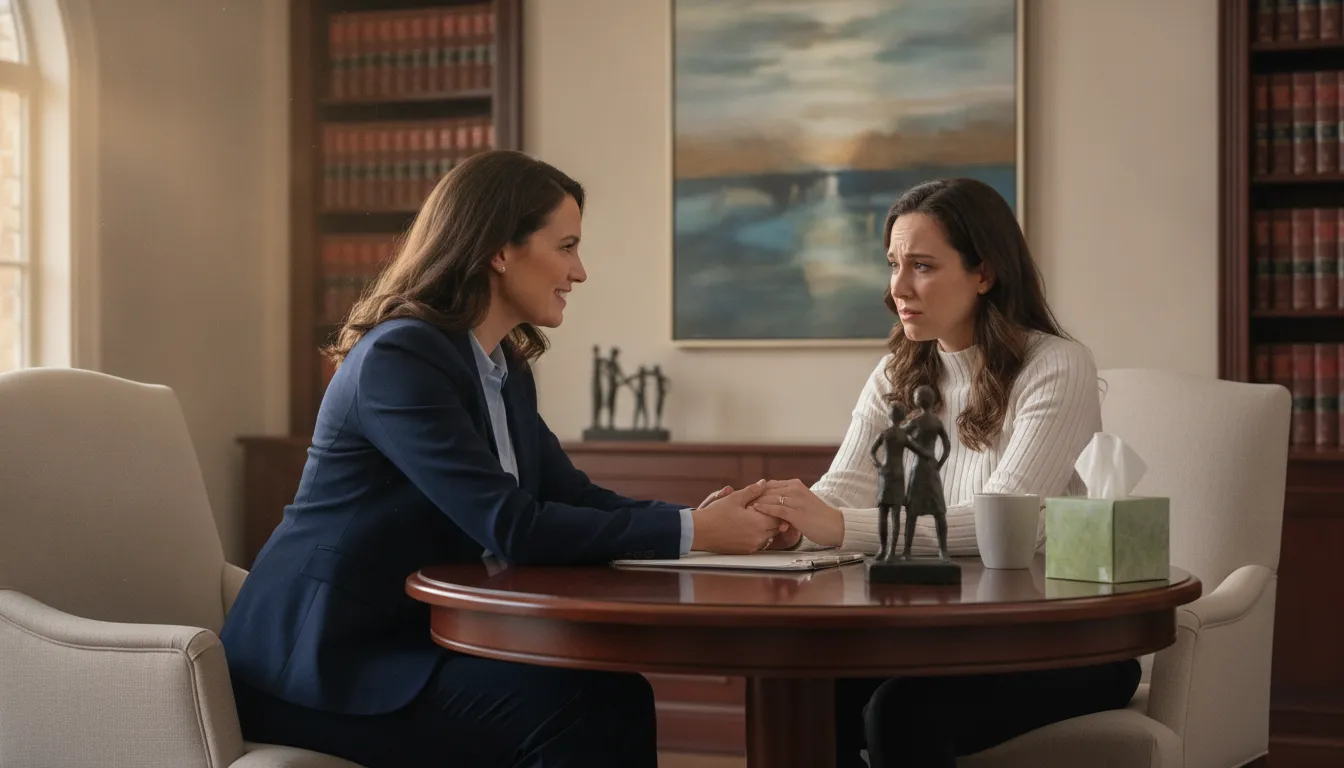

Nursing home abuse signs are not always obvious. A family may first notice an unexplained bruise, a sudden change in mood, missing property, or a room that is consistently unclean. One incident may have an innocent explanation, but a pattern of injuries, behavior changes, poor care, or conflicting explanations deserves prompt attention. Knowing what to observe during each visit can help you protect your loved one and create a clear record if something is wrong.
If you are concerned about a resident’s safety, learn how Counsel Hound can connect your family with an experienced nursing home abuse attorney for a free consultation.
This guide provides a practical visit checklist. It explains physical, emotional, financial, and environmental warning signs, as well as steps for speaking with the resident, documenting concerns, reporting suspected harm, and exploring legal options. If anyone is in immediate danger or needs urgent medical care, call 911.
What are the most common nursing home abuse signs?
Possible nursing home abuse signs include unexplained injuries, repeated falls, bedsores, poor hygiene, weight loss, fear around certain caregivers, sudden withdrawal, missing belongings, and unusual financial activity. Abuse may involve intentional physical or emotional harm, sexual abuse, financial exploitation, neglect, or improper restraints. The warning signs can overlap, so families should look at the resident’s condition, behavior, surroundings, and explanations together.
The National Institute on Aging advises families to watch for patterns and changes from an older adult’s normal condition. A resident may not report mistreatment because of fear, shame, communication difficulties, cognitive impairment, or dependence on a caregiver. Careful observation by family and friends can therefore be especially important.
A quick checklist for every nursing home visit
Regular visits give you a chance to notice changes over time. Vary the day and time of your visits when practical. A simple checklist can make observations more consistent without turning every visit into an interrogation.
- Look at the resident: Note injuries, cleanliness, clothing, alertness, mobility, mood, and any visible pain.
- Look around the room: Check for clean bedding, accessible water, working call buttons, needed mobility aids, and comfortable room temperature.
- Listen to the resident: Ask open-ended questions in private and pay attention to changes in their story or behavior.
- Review basic care: Ask about meals, medications, bathing, toileting, activities, and recent falls or medical visits.
- Check belongings and finances: Notice missing personal items and review statements if you are authorized to do so.
- Record concerns: Write down dates, times, names, explanations, and what you personally observed.
Try to separate facts from conclusions. For example, write, “I saw a dark bruise on the inside of the left upper arm at 3 p.m., and the resident said she did not know how it happened,” rather than, “A staff member grabbed her.” A factual record is easier for medical professionals, investigators, and attorneys to assess.
Physical warning signs that require attention
Older adults may bruise easily or experience injuries from accidents and medical conditions. Even so, unexplained injuries, recurring injuries, or explanations that do not fit what you observe should not be dismissed.
Unexplained bruises, cuts, burns, or fractures
Ask when and how an injury happened, what treatment the resident received, and whether an incident report was created. Pay attention to repeated bruising, injuries at different stages of healing, marks around wrists or ankles, or injuries that staff cannot clearly explain. Seek medical care when needed, especially after a fall, suspected fracture, head injury, or sudden change in condition.
Bedsores and preventable decline
Pressure sores, sometimes called bedsores, can develop when a person remains in one position for too long. They require prompt medical attention. Ask what prevention and treatment plan is in place, and document any worsening wound, odor, drainage, fever, or other sign of possible infection. Bedsores may be a sign of neglect, but a medical professional should evaluate the resident’s specific condition.
Weight loss, dehydration, or poor hygiene
Sudden weight loss, frequent thirst, dry mouth, dirty clothing, unchanged bedding, strong odors, or consistently poor grooming may suggest that basic needs are not being met. Some changes can result from illness or treatment, so ask for a clear explanation and care plan. Repeated neglect of food, water, bathing, dental care, or toileting is a serious concern.
Possible restraint or medication misuse
Watch for marks that could be associated with restraints, repeated reports that a resident is kept in bed, or a sudden level of sleepiness or confusion that is out of character. Do not change or stop medication yourself. Ask an authorized medical professional to review the medication list, recent changes, and reasons for each prescription.
Behavioral and emotional changes families may notice
Emotional abuse can include threats, humiliation, intimidation, isolation, or controlling behavior. It may leave no visible injury. Changes in the resident’s behavior can be among the earliest warning signs.
- Withdrawal from visits, conversations, or activities the resident previously enjoyed
- Fear, tension, or flinching around a particular caregiver
- New agitation, rocking, sleep problems, sadness, or unusual silence
- Reluctance to speak when staff members are nearby
- Statements that someone is hurting, threatening, punishing, or ignoring them
- Staff members who repeatedly prevent private visits or calls without a clear care-related reason
Memory loss or a medical condition does not mean a disclosure should be ignored. Listen calmly, avoid challenging or coaching the resident, and write down their words as accurately as possible. A trained professional can evaluate the report alongside other evidence.
If the warning signs involve possible mistreatment of an older adult, Counsel Hound’s elder abuse resource explains how experienced legal guidance may help.
Financial exploitation and missing property
Financial abuse can occur on its own or alongside other forms of mistreatment. Residents may be pressured to hand over cash, change account access, sign documents, or give away property. Families should watch for missing jewelry, electronics, clothing, cards, or other belongings.
If you are legally authorized to review the resident’s finances, look for unusual withdrawals, unexplained transfers, unfamiliar purchases, unpaid bills despite available funds, new names on accounts, or sudden changes to important documents. Preserve statements and transaction details. Contact the relevant bank or card provider promptly if you suspect fraud, and report theft or exploitation to the appropriate authorities.
Environmental signs of possible neglect
The condition of the facility and room can reveal whether residents are receiving consistent care. One spill or temporary maintenance issue does not prove neglect. Repeated unsafe or unsanitary conditions are more concerning.
- Soiled bedding or clothing that remains unchanged
- Strong urine or feces odors during repeated visits
- Water, meals, glasses, hearing aids, walkers, or call buttons left out of reach
- Unsafe room temperatures, poor lighting, or fall hazards
- Long waits after calls for help
- Frequent staffing problems or unanswered questions about care
Neglect can cause serious harm even when no one intended to injure the resident. Families who are concerned specifically about inadequate care can also review the signs of nursing home neglect.
How should you talk with a resident about possible abuse?
Speak with the resident alone when it is safe and possible. Choose a calm moment and use open-ended questions. You might ask, “How are you being treated?” “Do you feel safe here?” or “Can you tell me what happened to your arm?” Give the resident time to answer in their own words.
Do not promise secrecy if their safety is at risk. Avoid confronting a suspected abuser in front of the resident, because that may increase fear or danger. If the resident reports harm, respond with care: explain that you believe their concerns matter, that the mistreatment is not their fault, and that you will seek appropriate help.
How to document suspected nursing home abuse
Good documentation can help show when a problem began, whether it continued, and who knew about it. Start a chronological log and preserve original records. Include only information you observed, received, or can identify by source.
- Record each incident: Note the date, time, location, people present, observed condition, and explanations given.
- Photograph visible concerns: When lawful and appropriate, take clear photographs of injuries or unsafe conditions and preserve the original files.
- Save communications: Keep emails, text messages, letters, and notes from conversations with facility staff.
- Request relevant records: An authorized person may request care plans, medication lists, medical records, billing records, and incident reports.
- Preserve financial evidence: Save statements, receipts, copies of checks, and details of suspicious transactions.
- Get medical attention: Ask a qualified medical professional to assess injuries or sudden changes and document the findings.
Do not remove, alter, or write on original documents. Keep copies in a secure location outside the facility. Laws concerning recording conversations and access to records vary by state, so consider asking an attorney before making secret recordings or taking other investigative steps.
What should you do if you suspect nursing home abuse?
Act according to the level of danger. You do not need to prove abuse before reporting a reasonable concern. Investigators and other professionals can determine what happened.
- Address immediate danger first. Call 911 if the resident faces imminent danger or needs emergency medical care.
- Report the concern. Depending on the circumstances, reports may go to law enforcement, Adult Protective Services, the state agency that licenses nursing homes, or another designated authority.
- Contact a long-term care ombudsman. Ombudsman programs advocate for residents of nursing homes and other long-term care facilities and can help address complaints.
- Notify appropriate facility leadership. When doing so will not increase danger, make a written report to the administrator and request a written response.
- Continue documenting. Save report numbers, names, dates, responses, and any changes in the resident’s condition.
- Consider legal guidance. An attorney can evaluate available evidence, applicable deadlines, and possible civil claims.
Counsel Hound can connect families with trusted attorneys who handle nursing home abuse matters. Request a free case evaluation to discuss the circumstances and possible next steps.
Possible legal options after nursing home abuse
The available legal options depend on the facts, the resident’s injuries, and the law in the state where the harm occurred. Government or law enforcement reports may lead to an investigation or enforcement action. A civil claim may seek compensation for medical expenses, pain and suffering, financial losses, or other legally recognized harm. In a fatal case, eligible family members may be able to explore a wrongful death claim.
Deadlines can apply, and important evidence can disappear over time. A nursing home abuse attorney can help preserve records, identify potentially responsible parties, consult appropriate experts, and explain the process. Counsel Hound connects prospective clients with qualified attorneys from its network, and there are no fees until a recovery is made.
A repeatable family visit plan
Families often spot problems by comparing what they see across several visits. Keep your process simple enough to repeat:
- Visit regularly and, when possible, at different times.
- Spend private time with the resident.
- Review the same core checklist each visit.
- Ask follow-up questions about unresolved injuries or care concerns.
- Share responsibility among trusted family members so observations do not depend on one visitor.
- Escalate patterns rather than accepting repeated vague explanations.
Your concern can be an important safeguard. Observe carefully, listen respectfully, document facts, and seek help when something does not seem right. Prompt action may protect your loved one and other residents from further harm.
Talk with Counsel Hound about your concerns
Families should not have to navigate suspected nursing home abuse alone. Counsel Hound helps people cut through legal advertising and connect with experienced, vetted attorneys who handle serious abuse and neglect matters. A consultation is free, and there are no attorney fees until a recovery is made.
Contact Counsel Hound for a free nursing home abuse case evaluation.
This article provides general information and is not legal advice. Laws and reporting procedures vary by state.