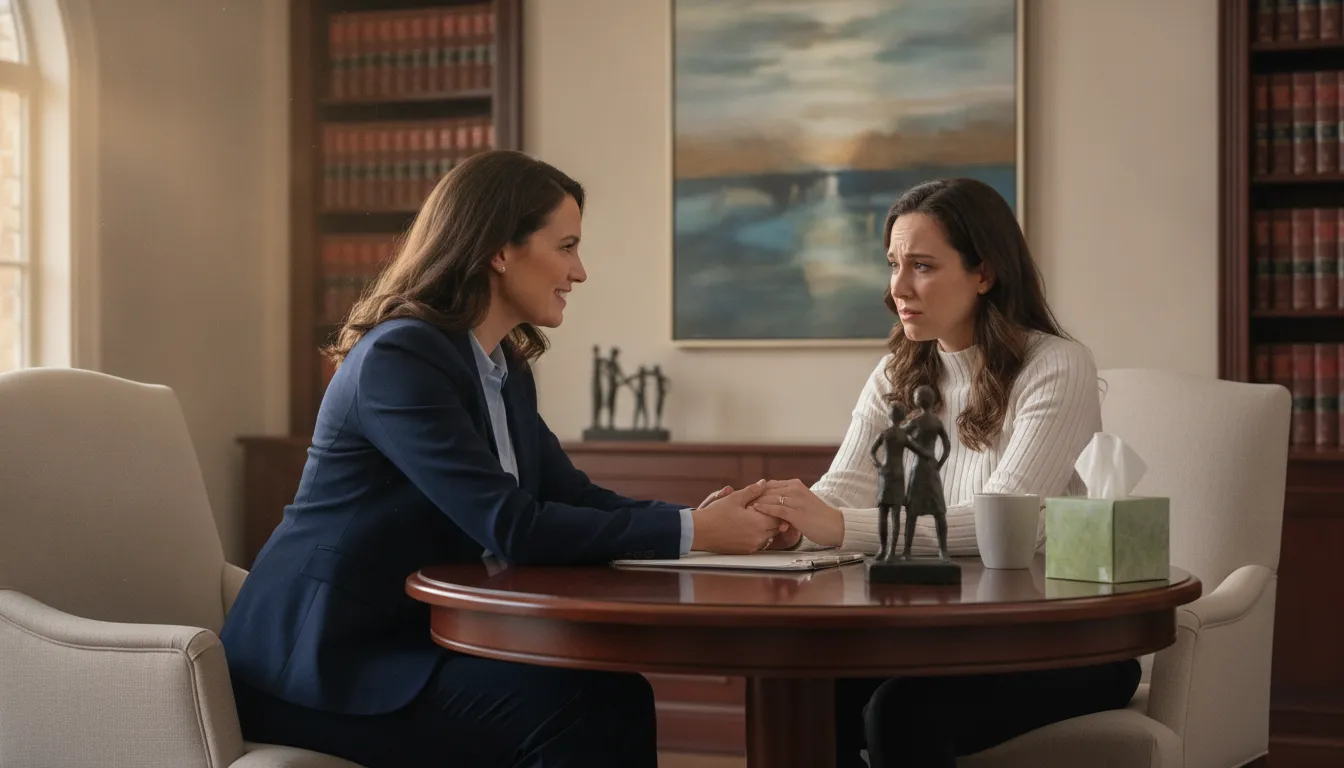
We trust medical professionals to provide a high standard of care during one of the most vulnerable times in our lives. When that trust is broken and a preventable mistake leads to a birth injury like cerebral palsy, the consequences are devastating. Filing a cerebral palsy lawsuit is a way to seek justice for your child and hold negligent parties accountable for their actions. Beyond securing critical compensation for your family’s needs, taking legal action helps encourage hospitals and clinics to improve their safety protocols, potentially protecting other families from experiencing the same tragedy. It’s a fight for your child and for a safer standard of care for everyone.
Key Takeaways
- A lawsuit serves a dual purpose: It is a legal tool designed to secure the financial resources your child will need for a lifetime of care while also holding negligent medical professionals accountable for preventable mistakes.
- Specialized experience is non-negotiable: A successful cerebral palsy claim requires an attorney with specific experience in birth injury cases. They have the necessary expertise to interpret complex medical records and build a strong case that links negligence directly to your child’s injury.
- Act quickly to protect your legal rights: Every state has strict deadlines, known as statutes of limitations, for filing a lawsuit. It is crucial to consult with an attorney as soon as you suspect a medical error to ensure you don’t lose your opportunity to seek justice for your family.
What Is a Cerebral Palsy Lawsuit?
A cerebral palsy (CP) lawsuit is a legal claim made against a doctor, hospital, or other medical professional when their preventable mistake during childbirth is believed to have caused a child’s condition. At its core, this is a type of medical injury case that focuses on establishing that a healthcare provider’s negligence led to a permanent birth injury. It’s a way for families to seek accountability and secure the financial resources needed to provide their child with a lifetime of care.
Navigating a cerebral palsy diagnosis is an incredibly challenging and emotional experience. The thought of legal action can feel overwhelming, but it’s important to understand what a lawsuit truly represents. It’s not about assigning blame without reason; it’s about seeking justice when the accepted standard of medical care was not met. The legal process is designed to thoroughly investigate the circumstances of your child’s birth to determine if their condition could have been avoided. If negligence is found, a lawsuit helps ensure your child has access to every possible resource for their future well-being.
Why Families File a Lawsuit
Families pursue a cerebral palsy lawsuit for two primary reasons: to secure financial stability for their child’s future and to hold negligent medical providers accountable. The lifetime cost of care for an individual with cerebral palsy can be staggering. A successful lawsuit provides compensation to cover essential expenses like ongoing medical treatments, physical and occupational therapies, specialized equipment, and necessary home modifications. This financial support is not a prize; it’s a critical lifeline that helps give your child the best quality of life possible.
Beyond the financial aspect, filing a lawsuit can be a powerful step toward ensuring accountability. When medical professionals are held responsible for preventable errors, it encourages hospitals and clinics to re-evaluate and improve their safety standards and protocols. By taking action, you not only fight for your own child but also help protect other families from experiencing a similar tragedy.
When Is It Medical Negligence?
It’s important to know that not all cases of cerebral palsy are caused by medical error. However, a significant number are the direct result of preventable mistakes made before, during, or shortly after birth. Medical negligence occurs when a healthcare provider fails to meet the professional standard of care, leading to injury. In the context of a birth injury, this can include a range of critical errors.
Common examples of medical negligence that can lead to a CP diagnosis include failing to detect or respond to signs of fetal distress, delaying a necessary C-section, mismanaging a maternal infection, or improperly using delivery instruments like forceps. These are not just simple mistakes; they are deviations from established medical protocols that can deprive a baby’s brain of oxygen and cause permanent damage.
What Makes a Claim Valid?
For a cerebral palsy lawsuit to be successful, you and your legal team must prove a few key elements. The foundation of any valid claim is demonstrating that a medical professional’s negligence directly caused your child’s condition and the resulting damages. This is more than just having a suspicion that something went wrong; it requires clear evidence connecting a specific action—or inaction—to the injury.
To build a valid case, you must establish that the medical provider had a duty to provide a certain standard of care and that they breached that duty. Next, you must prove causation, meaning that this breach of duty was the direct cause of the cerebral palsy. Finally, you must show the damages your family has incurred. Proving these points is a complex process, which is why it’s essential to work with a firm that has experience building a strong personal injury case on your behalf.
What Compensation Can You Receive?
When you’re facing the challenges that come with a cerebral palsy diagnosis, thinking about finances can be overwhelming. A successful lawsuit aims to provide financial security to cover the lifelong costs associated with your child’s condition. The compensation, often called damages, is calculated to address not just immediate bills but also future needs, ensuring your child has access to the best possible care and opportunities. This financial support is designed to relieve the economic pressure on your family, allowing you to focus on what truly matters: your child’s well-being and quality of life. It’s about creating a stable foundation for the years ahead.
A comprehensive legal claim will account for every potential expense. This includes tangible costs like medical treatments, specialized therapies, assistive equipment, and necessary home modifications. It also considers future needs, such as ongoing care, special education, and even potential lost income if a parent must become a full-time caregiver. The goal is to arrive at a figure that truly reflects the full financial impact of the injury, providing a safety net for your family. This allows you to make decisions based on your child’s needs, not on financial constraints. It’s about securing the resources required for your child to live a full and supported life.
Covering Medical and Ongoing Care
One of the primary goals of a cerebral palsy lawsuit is to secure funds for your child’s extensive medical needs. This compensation can cover everything from initial hospital stays and surgeries to ongoing doctor appointments, prescription medications, and potential in-home nursing care. A birth injury can lead to a lifetime of medical expenses, and a settlement or verdict is structured to account for this. By pursuing a medical injury claim, you can ensure that financial limitations never stand in the way of getting your child the essential treatments they need to manage their condition and maintain their health. This provides peace of mind, knowing that future medical challenges can be met without financial strain.
Paying for Therapy and Rehabilitation
Therapy and rehabilitation are critical for helping children with cerebral palsy improve their functional abilities and gain independence. Compensation from a lawsuit can pay for essential services like physical, occupational, and speech therapy. These therapies help with mobility, daily living skills, and communication, which are vital for your child’s development and confidence. The funds can also cover specialized programs and treatments that may not be covered by insurance. Securing this financial support means your child can consistently access the professional help they need to reach their full potential, without interruption due to cost. It’s an investment in their long-term progress and overall quality of life.
Funding Special Education and Equipment
Children with cerebral palsy often require specialized equipment and educational resources to thrive. A legal claim can provide the necessary funds for these crucial tools. This includes assistive devices like wheelchairs, walkers, and communication aids, as well as modifications to your home and vehicle to improve accessibility. Compensation can also cover the costs of special education programs, tutors, and other learning support systems tailored to your child’s unique needs. By ensuring access to these resources, you can help create an environment where your child can learn, grow, and engage with the world more easily and effectively.
Acknowledging Pain and Suffering
Beyond the tangible costs, compensation in a personal injury case also addresses the non-economic impact of a birth injury. This is often referred to as “pain and suffering,” and it acknowledges the physical discomfort and emotional distress your child and family have experienced. While no amount of money can erase the hardship, this aspect of a settlement provides a sense of justice and holds the responsible medical professionals accountable for their actions. For many families, this accountability is a crucial part of the healing process and can help prevent similar instances of negligence from affecting others in the future. It validates your family’s experience and recognizes the profound personal impact of the injury.
How to Choose the Right Cerebral Palsy Attorney
Finding the right legal partner is one of the most important decisions you’ll make for your family. This isn’t just about hiring someone with a law degree; it’s about finding a dedicated advocate who understands the unique challenges your family faces. You need a team that combines deep legal knowledge with genuine compassion, someone who will stand by you through every step of a complex and often emotional process. The right attorney will not only build a strong case but will also serve as a trusted advisor, helping your family feel heard and supported.
When you start your search, it’s helpful to think beyond just legal qualifications. You’re looking for a long-term partner who will be invested in your child’s future. This means focusing on a few key areas to ensure you find the right fit. Consider their specific experience with birth injury cases, their history of success, how they handle fees, and their approach to communication. A lawyer who excels in these areas is better equipped to handle the nuances of a cerebral palsy lawsuit, from gathering medical evidence to negotiating with powerful hospital legal teams. Taking the time to evaluate these aspects will help you choose an attorney who can effectively fight for the compensation your child needs and provide the guidance your family deserves.
Look for Specific Birth Injury Experience
Not all personal injury lawyers are equipped to handle cerebral palsy cases. These claims fall under the complex field of medical malpractice and require a deep understanding of birth injuries. A dedicated cerebral palsy lawyer helps families file claims against negligent medical professionals and represents them in court. Look for an attorney or firm that focuses specifically on medical injury cases. They will already be familiar with the medical terminology, have a network of qualified medical experts to review your case, and understand the tactics that hospital defense teams use. This specialized experience is critical for building a strong claim.
Review Their Track Record and Results
An attorney’s past performance can give you a good idea of their capabilities. Don’t hesitate to ask about their history with cases similar to yours. Look for a firm that is transparent about its results, whether through case studies or client testimonials. While past success doesn’t guarantee a future outcome, it demonstrates experience and a pattern of achieving justice for their clients. Beyond the numbers, you’ll also want to find a legal team your family feels comfortable with. This journey requires trust, and finding a firm whose values align with yours is essential for a strong partnership.
Understand the Fee Structure
The cost of legal action is a major concern for many families, but most cerebral palsy lawyers work on a contingency fee basis. This means they only get paid if you win your case, with their fee being a percentage of the final settlement or award. This structure removes the financial risk for your family, as you won’t have to pay upfront legal costs. It also ensures your attorney is motivated to secure the best possible outcome for you. At Counsel Hound, we operate on a “no fees until we win” promise, and your initial consultation is always free so you can get answers without any financial pressure.
Evaluate Their Communication and Support
A strong legal case is important, but so is the support you receive throughout the process. The legal journey can be long and emotionally draining, so you need an attorney who communicates clearly and consistently. During your initial meeting, ask how the firm keeps clients updated and who your main point of contact will be. A good lawyer will take the time to explain complex legal procedures in a way you can understand and will be available to answer your questions. You are entrusting them with your family’s future, so it’s vital to choose someone who is not only a skilled litigator but also a compassionate guide.
What to Expect from the Legal Process
The legal process can feel intimidating, but it follows a structured path designed to build your case and seek the compensation your family deserves. Your attorney will guide you through each stage, handling the complex details so you can focus on your child. From the first conversation to the final resolution, here’s a breakdown of what you can expect.
Your Initial Consultation and Case Review
Your journey begins with a free, confidential consultation. This is your opportunity to share your story and concerns with a legal professional. A cerebral palsy lawsuit is a legal claim filed against the doctors or hospital responsible for mistakes made during childbirth that led to your child’s condition. The goal is to secure the financial support needed for lifelong medical care, therapy, and other essential needs. During this initial review, our team will listen, ask questions, and assess the details of your situation to determine if you have a strong case for medical injury.
Gathering Evidence and Medical Records
If you decide to move forward, the next step is a thorough investigation. Strong medical records are the backbone of a cerebral palsy case. Your legal team will take on the task of collecting all relevant documents, from prenatal records to delivery notes and post-birth care reports. These records are essential for proving exactly when, where, and how the brain injury occurred. We work with medical experts to analyze this evidence and build a clear timeline that connects the negligence of a healthcare provider directly to your child’s diagnosis. This meticulous process ensures your claim is built on a solid foundation of facts.
Filing the Lawsuit
Once enough evidence has been gathered to establish a strong claim, your attorney will formally file the lawsuit. This involves preparing and submitting a legal document called a “complaint” to the appropriate court. The complaint outlines your allegations against the responsible medical professionals or facility and details the damages your family has suffered. Filing the lawsuit officially begins the legal proceedings and requires the defendants to respond to your claims. While this is a significant step, your legal team will manage all the paperwork and procedural requirements on your behalf.
Negotiating a Settlement vs. Going to Trial
After the lawsuit is filed, both sides exchange information in a process called discovery. Following this, negotiations for a settlement often begin. The vast majority of cerebral palsy lawsuits are resolved through a settlement before ever reaching a courtroom. Hospitals and their insurance companies frequently prefer to settle because a trial can be expensive, time-consuming, and unpredictable. A settlement allows your family to receive compensation more quickly, avoiding the stress of a lengthy trial. Our team at Counsel Hound is committed to negotiating the best possible outcome, but we are always prepared to take your case to trial if a fair offer isn’t made.
What Evidence Builds a Strong Case?
Building a strong cerebral palsy lawsuit depends entirely on the quality of your evidence. It’s not enough to feel that something went wrong during childbirth; you and your legal team must be able to prove it with clear, convincing facts. In any legal claim, the responsibility, or “burden of proof,” is on the person filing the lawsuit. This means your family must present a solid case that demonstrates how a medical professional’s actions—or lack thereof—directly led to your child’s injury. Think of it as assembling a detailed puzzle where every piece must fit perfectly to show the complete picture to a judge or jury.
This process can feel overwhelming, especially when you’re already focused on your child’s well-being. The evidence involved is often highly technical, buried within dense medical charts, fetal monitoring strips, and hospital protocols. That’s why working with an experienced legal team is so important. They know what to look for and how to connect the dots. Your attorney will work with medical experts to analyze every detail and build a compelling narrative. The evidence you gather will fall into three main categories: the official medical records that tell the story of the birth, the financial documents that show the real-world costs of care, and the expert analysis that links a specific medical error to the injury. Each piece is a critical building block for your case.
Key Medical Records and Expert Opinions
Your child’s and the mother’s medical records are the foundation of your case. These documents provide the official timeline of the pregnancy, labor, and delivery. To build a strong claim, your legal team must use these records to pinpoint exactly when, where, and how the brain injury happened. This includes everything from prenatal visit notes and ultrasound reports to fetal heart rate monitor strips and postnatal care logs. An experienced attorney will bring in medical experts to review these files. These experts can interpret the complex data and provide a professional opinion on whether the care provided fell below the accepted medical standard, which is a crucial step in any medical injury claim.
Documenting Your Family’s Expenses
A cerebral palsy lawsuit aims to secure the financial resources your child will need for a lifetime of care. To do this, you must meticulously document every related expense. The compensation from a successful lawsuit can help cover a wide range of costs, including medical treatments, specialized equipment, physical and speech therapies, special education needs, and necessary home modifications. It can also account for the lost wages of parents who have had to leave their jobs to become full-time caregivers. Keeping detailed receipts, invoices, and explanations of every cost will create a clear picture of the financial impact on your family and justify the compensation you are seeking.
Linking Negligence to the Injury
The core of your lawsuit is proving that medical negligence caused your child’s cerebral palsy. This means showing that a healthcare provider made a mistake that a reasonably competent professional in the same situation would not have made. Common examples of negligence in birth injury cases include failing to perform a C-section in a timely manner, not identifying or treating an infection in the mother, or ignoring clear signs of fetal distress during labor. Your attorney’s job is to use the medical records and expert testimony to draw a direct line from these specific errors to your child’s diagnosis, forming the basis of your personal injury claim.
First Steps to Take if You Suspect Negligence
When you’re grappling with a cerebral palsy diagnosis, the thought of legal action can feel overwhelming. But if you suspect that a medical error caused your child’s condition, taking a few key steps now can protect your family’s rights and future. Think of this as a starting point—a clear path to help you find answers and understand your options. These initial actions are about gathering information and building a foundation, giving you control during a time that may feel chaotic.
Document Everything
Your journey starts with gathering records. Thorough documentation is the backbone of any potential legal claim because it helps create a clear timeline of events. To build a strong case, you need to show when, where, and how the brain injury occurred. Start collecting every piece of paper related to your pregnancy, labor, delivery, and your child’s postnatal care. This includes all medical records, bills, test results, and imaging scans. It’s also helpful to keep a journal detailing appointments, conversations with doctors, and your child’s developmental milestones or challenges. This detailed record-keeping will be invaluable later on.
Consult with Medical Professionals
Before you can explore a legal path, it’s important to get a clear medical picture. If you have doubts about the care you or your child received, seeking a second opinion from an independent medical expert can be incredibly clarifying. Another specialist can review your medical records and offer their perspective on whether the standard of care was met. This step isn’t about assigning blame; it’s about confirming the medical facts of your case. A fresh set of expert eyes can help validate your concerns and provide the medical evidence needed to determine if negligence played a role in your child’s medical injury.
Contact a Specialized Attorney
Once you have a reason to believe a medical mistake occurred, it’s time to speak with an attorney who specializes in birth injury cases. Not all personal injury lawyers have the specific experience required to handle complex cerebral palsy lawsuits. You’ll want to find a legal team you feel comfortable with and who has a proven track record with these sensitive cases. Most specialized firms, like ours, offer a free consultation to review your situation. This initial meeting is a chance for you to ask questions and understand your legal options without any financial commitment.
Understand the Time Limits to File
It’s crucial to know that the law sets a strict deadline for filing a lawsuit. This deadline is called the “statute of limitations,” and it varies from state to state. If you miss this window, you may lose your right to seek compensation forever. Because these time limits can be complex, especially in cases involving a minor, it’s important to act quickly. Contacting an attorney as soon as you suspect negligence ensures you have enough time to investigate your claim and file it properly, protecting your family’s ability to pursue justice.
Common Myths About Cerebral Palsy Lawsuits
When you’re exploring your legal options, it’s easy to get overwhelmed by misinformation. The world of cerebral palsy lawsuits is filled with myths that can make it hard to know what to expect or whether you even have a case. Let’s clear up some of the most common misconceptions so you can move forward with clarity and confidence. Understanding the reality of the legal process is the first step toward making the best decision for your family and securing the support your child deserves.
Myth: Every Case Involves Negligence
It’s a common belief that every diagnosis of cerebral palsy is the result of a medical mistake, but that isn’t always true. Cerebral palsy can stem from various factors, including genetic conditions or unavoidable complications during pregnancy that have nothing to do with the quality of medical care received. A lawsuit is appropriate when there is evidence that the injury was preventable and occurred because a healthcare provider failed to meet the accepted standard of care. The focus is on identifying if a medical injury happened due to a specific action or inaction, not just on the diagnosis itself.
Myth: Lawsuits Are Quick and Guaranteed
Many people assume that filing a lawsuit leads to a fast and certain payout, but the legal journey is often a marathon, not a sprint. A cerebral palsy case can be incredibly complex, requiring extensive investigation, evidence gathering, and expert testimony. The process can take months or even years to resolve. While many cases are settled out of court, there is never a guarantee of a favorable outcome. It’s important to partner with a legal team that can support you through this lengthy process and help you set realistic expectations from the very beginning.
Myth: It’s Only About the Money
While financial compensation is a critical component of a lawsuit, it’s rarely the only motivation for families. The funds secured are essential for covering a lifetime of medical bills, therapy, and specialized equipment. However, the legal process is also about seeking answers and accountability. For many families, filing a personal injury claim is a way to get justice for their child, ensure similar mistakes don’t happen to others, and find a sense of closure. It’s about holding negligent parties responsible and fighting for a more secure future for your child.
Potential Challenges to Prepare For
Filing a cerebral palsy lawsuit is a significant step, and while it can provide essential support for your child’s future, the path isn’t always straightforward. Being aware of potential hurdles can help you feel more prepared and in control. These cases require patience, detailed evidence, and a strong support system. Your legal team is there to handle the heavy lifting, but understanding the landscape helps you partner with them effectively. From strict legal timelines to the emotional weight of the process, knowing what’s ahead allows you to face each stage with confidence and focus on what matters most: your family.
Meeting Critical Deadlines
One of the most pressing challenges is the timeline. Every state has strict time limits for filing a lawsuit, known as “statutes of limitations.” This means you only have a specific window of time after the injury is discovered to take legal action. If you miss this deadline, you may lose your right to file a claim forever. These time limits can be complex and vary depending on your location and the specifics of the case. This is why it’s so important to act quickly and contact an attorney as soon as you suspect negligence may have played a role in your child’s condition.
Providing Sufficient Documentation
A successful cerebral palsy lawsuit relies on strong evidence. Thorough medical records are absolutely key, as your legal team must be able to definitively prove when, where, and how the brain injury occurred. This involves gathering extensive documentation, from prenatal records to delivery notes and post-birth medical care. Simply having the documents isn’t enough; they need to be organized and analyzed to build a clear and compelling narrative. This can feel overwhelming for families, but it’s a critical step where an experienced medical injury lawyer provides invaluable support, knowing exactly what to look for.
Understanding Complex Medical and Legal Details
Cerebral palsy lawsuits are incredibly complex, sitting at the intersection of intricate medical science and detailed legal procedure. You’ll encounter specialized terminology and concepts that are unfamiliar to most people. The good news is, you don’t have to become an expert overnight. As one lawyer noted, “experienced lawyers help families through every step.” A skilled attorney will work with medical experts to understand the details of your case and translate them into a powerful legal argument. Their job is to simplify the process for you, so you can focus on your family while they handle the complexities.
Managing the Emotional and Financial Strain
Beyond the legal and medical aspects, it’s important to acknowledge the emotional and financial toll this journey can take. Caring for a child with cerebral palsy often requires immense personal and financial sacrifice. Many parents are “forced to miss work in order to care for their child, leading to past and future lost wages.” The lawsuit process itself can add another layer of stress. That’s why finding a supportive legal team is so important. At Counsel Hound, we connect you with attorneys who understand this pressure and work on a “no fees until we win” basis, ensuring you don’t face any upfront legal costs.
How to Prepare for Your Lawsuit
Taking legal action can feel overwhelming, but preparing yourself and your documents beforehand can make the process much smoother. Think of these steps as building a strong foundation for your case. By getting organized and setting clear expectations from the start, you empower yourself and your legal team to focus on what matters most: fighting for your family’s future. This preparation isn’t just about paperwork; it’s about mentally and emotionally readying yourself for the road ahead. A little work now can make a significant difference later, helping you feel more in control during a challenging time. Your attorney will guide you through every legal complexity, but these initial steps are something you can do to contribute directly to the strength of your claim.
Organize All Medical Documents
Your child’s medical records are the cornerstone of your case. These documents create a factual timeline that helps prove when, where, and how the brain injury occurred. Start gathering every piece of paper you can find related to your child’s health and the medical injury. This includes prenatal records, birth records, doctor’s notes, test results, imaging scans, and bills from every provider. Don’t worry about trying to interpret them yourself; your legal team and their medical experts will handle that. Your job is to be a thorough collector. Keeping everything in a dedicated folder or binder, organized by date, will be incredibly helpful for your attorney and will save valuable time as they build your case.
Know Your Rights and Set Realistic Goals
The foundation of a cerebral palsy lawsuit is the belief that a medical professional’s mistake or negligence contributed to your child’s condition. Understanding this is the first step toward knowing your rights. Your primary goal is likely securing financial compensation to cover your child’s lifelong needs, but it’s also about holding responsible parties accountable. Many families find that filing a lawsuit helps push hospitals and clinics to improve their safety standards, preventing other families from experiencing similar heartbreak. As you begin this process, our team can help you understand what a successful outcome might look like for your specific situation, ensuring your goals are both realistic and aligned with what the law allows.
Manage Expectations Throughout the Process
It’s important to understand that a lawsuit is a marathon, not a sprint. These cases are complex and can take a significant amount of time to resolve. While some cases go to trial, most cerebral palsy lawsuits are settled out of court. A settlement often means that families receive the financial support they need much faster and without the emotional strain of a lengthy trial. The legal journey will have its ups and downs, and it’s completely normal to feel a mix of emotions. Leaning on your support system and maintaining open communication with your attorney can help you manage the process. For a clear picture of what to expect, a free consultation can provide a personalized roadmap for your family.
How Counsel Hound Fights for Your Family
When your child is diagnosed with cerebral palsy due to a potential birth injury, the path forward can feel overwhelming. You’re focused on your child’s well-being, but you’re also facing a future of medical bills, specialized care, and emotional stress. At Counsel Hound, we understand that your family’s needs come first. Our mission is to shoulder the legal burden for you, so you can concentrate on what truly matters.
Filing a lawsuit is about securing the resources your child needs for a lifetime of care. The compensation we fight for can cover essential costs like ongoing medical treatments, physical and occupational therapies, special education, and adaptive equipment. But it’s also about accountability. When a medical injury occurs because of negligence, holding the responsible parties accountable can bring a sense of justice and help prevent other families from experiencing the same heartbreak.
The legal system can seem complicated, but you don’t have to face it alone. The attorneys in our network handle every step of the process, from gathering medical records and consulting with experts to filing all the necessary paperwork. We manage the complexities of your case, aiming to secure a settlement that provides for your family without the added stress of a long trial.
We firmly believe that every family deserves access to justice, regardless of their financial situation. That’s why we operate on a “no fees until we win” basis. You won’t pay any upfront costs, and we only get paid if we successfully recover compensation for you. Our team is here to provide a free, no-obligation consultation to help you understand your options and take the first step.
Related Articles
Frequently Asked Questions
How can I tell if my child’s cerebral palsy was caused by a medical mistake? It’s often impossible for a parent to know for sure, as the evidence is usually found within complex medical records. The most effective way to find out is to have your case reviewed by a legal team that specializes in birth injuries. They work with medical experts to analyze every detail of the pregnancy, labor, and delivery to determine if the accepted standard of care was met. If they find evidence that a preventable error led to your child’s condition, you may have a valid claim.
What if I can’t afford to hire a lawyer for a lawsuit? This is a common and completely valid concern, but you don’t need any money upfront to pursue a case. The attorneys in our network operate on a contingency fee basis, which means they only get paid if they successfully recover compensation for your family. Their fee is a percentage of the final settlement or award. Your initial consultation is always free, so you can get answers and understand your options without any financial pressure.
Will I have to face a stressful trial in court? While it’s a common fear, the vast majority of cerebral palsy lawsuits are resolved through a settlement long before a trial begins. Hospitals and their insurance companies are often motivated to negotiate a fair settlement to avoid the time, expense, and uncertainty of a court battle. A skilled legal team will prepare your case as if it’s going to trial to build the strongest position for negotiations, but the primary goal is to secure the compensation your family needs without the added stress of a courtroom.
How long do I have to decide if I want to file a lawsuit? Every state has a strict deadline for filing a lawsuit, known as the statute of limitations. This time limit can be complex, especially in cases involving a child’s injury, and if you miss it, you may lose your right to seek justice forever. Because of this critical timeline, it is important to contact an attorney as soon as you suspect that medical negligence may have occurred. This gives your legal team the time needed to conduct a thorough investigation and file a claim before the deadline expires.
What is my role during the legal process? Your most important role is to focus on your child and your family. While you will be a key source of information, your legal team is there to handle the heavy lifting. They will manage the process of gathering medical records, consulting with experts, filing all legal documents, and handling negotiations. Your attorney will keep you informed every step of the way and will rely on you for decisions, but their job is to manage the legal complexities so you can concentrate on what matters most.