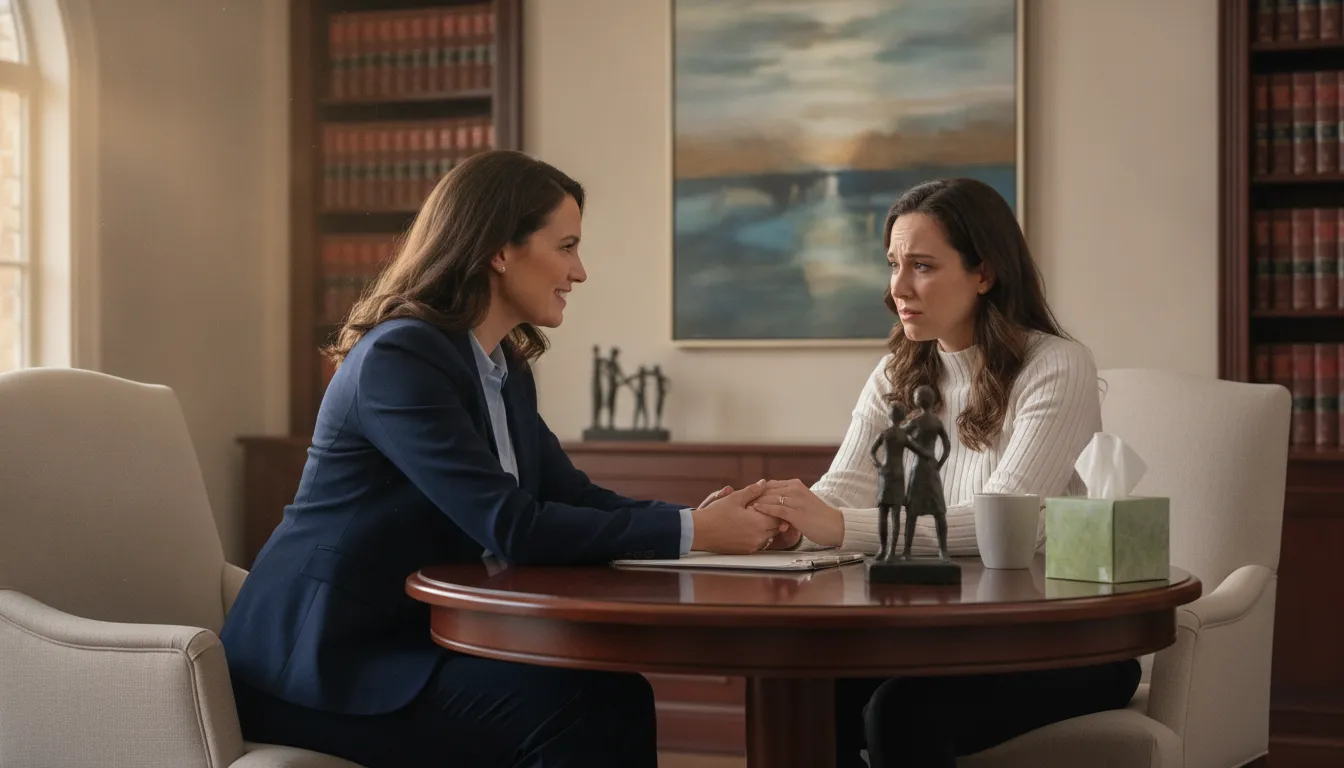
As a cyclist, you have every right to be on the road, but you also know that drivers don’t always see you. When a crash happens, that anti-cyclist bias can carry over into the claims process. The other driver might change their story, or the insurance company might try to argue you were somehow at fault. This is where your rights need a strong defense. An experienced bicycle crash lawyer is more than just a legal representative; they are your champion. They understand the specific laws that protect cyclists and know how to counter unfair arguments, ensuring your side of the story is heard and your rights are upheld.
Key Takeaways
- Hire a Specialist to Handle the Fight: A dedicated bicycle crash lawyer manages the entire legal process, from collecting evidence to negotiating with insurance companies, ensuring your rights are protected and you receive the compensation you’re owed.
- Protect Your Case from the Scene: Your actions immediately after an accident are critical. Prioritize getting medical attention, ensure a police report is filed, and use your phone to document everything—from your injuries to the other vehicle’s license plate.
- Know What Fair Compensation Really Means: A successful claim covers more than just initial medical bills. It includes future care, lost wages, property damage, and the significant physical and emotional impact of the crash, known as pain and suffering.
Why You Need a Bicycle Crash Lawyer
After a bicycle crash, your focus should be on healing, not fighting with insurance adjusters. But the reality is that getting fair compensation can feel like a full-time job. Insurance companies often try to minimize payouts or shift blame, leaving you with mounting medical bills and stress. This is where a dedicated bicycle crash lawyer comes in. They handle the legal complexities so you can focus on your recovery. A skilled attorney understands the specific challenges cyclists face and knows how to build a case that protects your interests and secures the compensation you deserve.
Know Your Rights as a Cyclist
As a cyclist, you have rights on the road, but traffic laws can be complicated and are often misinterpreted to favor motorists. A qualified bicycle accident lawyer has the deep knowledge needed to argue your case effectively. They understand local and state cycling laws, how to prove a driver’s negligence, and what it takes to ensure you receive maximum compensation for your injuries. An experienced attorney acts as your advocate, making sure your rights are upheld and your side of the story is heard clearly, cutting through any anti-cyclist bias that might arise.
Common Myths About Accident Claims
One of the most dangerous myths about bicycle accidents is that you can easily settle a claim without a lawyer. The truth is, legal representation can dramatically change the outcome of your case. Insurance companies are businesses focused on their bottom line, and they may pressure you into accepting a lowball offer. Another common misconception is that you can’t claim compensation if you weren’t wearing a helmet. While wearing a helmet is always a good idea, not wearing one doesn’t automatically prevent you from receiving a settlement. A skilled lawyer can help you address these complexities.
How a Lawyer Strengthens Your Case
Trying to take on an insurance company alone puts you at a major disadvantage. A bicycle accident lawyer levels the playing field. They manage all communication with insurers, gather evidence, and build a compelling case on your behalf. A lawyer with a track record of success demonstrates the tenacity and skill needed to protect your rights and fight for a fair outcome. By handling the negotiations and legal procedures, they free you from the burden of paperwork and stressful phone calls. If you’re ready to get help, you can start with a free consultation to understand your options.
How to Choose the Right Bicycle Crash Lawyer
After a crash, the legal process can feel overwhelming, but finding the right person to guide you through it makes all the difference. Selecting the right legal representation is a pivotal first step toward getting the support and compensation you deserve. You need an advocate who not only understands the law but also understands what you’re going through. The key is to look for a lawyer with specific experience, local knowledge, a communication style that works for you, and a fee structure that puts your mind at ease.
Find an Attorney with Cycling Case Experience
Not all personal injury lawyers are the same. When you’re looking for representation, focus on finding lawyers with direct experience handling bicycle accident cases. An attorney who specializes in this area will have a deep understanding of the unique challenges cyclists face. They know the specific traffic laws that protect you, how to counter arguments that unfairly blame the rider, and how to accurately value your case. A lawyer with a proven track record in personal injury claims for cyclists will be prepared to handle the complexities of your incident from day one, giving you a significant advantage.
Why Local Expertise Matters
A qualified bicycle accident lawyer with local expertise can be your greatest asset. Laws and regulations related to cyclists can vary significantly from one city or state to the next. A local attorney is familiar with these specific rules, as well as the local court systems and even the reputations of insurance company adjusters in your area. This inside knowledge can have a major impact on the strategy and outcome of your case. They can argue your case more effectively, ensuring you have the best possible chance at receiving maximum compensation for your injuries and losses.
Assess Their Communication Style
You’ll be working closely with your lawyer, so it’s essential to find someone you can communicate with effectively. During your initial consultation, pay attention to how they listen and respond to your story. Do they explain complex legal terms in a way you can understand? A great lawyer is a strong advocate who demonstrates tenacity and skill, but they should also be someone who keeps you informed and answers your questions clearly. You should feel confident that they will be your voice and fight for your best interests every step of the way.
Ask About Fees and Consultations
Don’t be afraid to talk about money. Before you hire anyone, make sure you understand their fee structure. Most reputable personal injury lawyers work on a contingency fee basis, which means you don’t pay any attorney’s fees unless they win your case. This is the “no fees until we win” promise we stand by at Counsel Hound. Many firms also offer a free consultation, which is a great opportunity to discuss your case and gauge their expertise without any financial commitment. Use this time to ask about their qualifications and approach to cases like yours before making a decision.
What to Do After a Bicycle Accident
The moments after a bicycle accident are often a blur of confusion and adrenaline. It’s tough to think clearly when you’re shaken up, but the steps you take right away can make a huge difference for both your health and any future legal claim. Knowing what to prioritize can help you protect yourself physically and financially. Think of this as your guide for what to do when the unexpected happens.
Your First Steps at the Scene
Your top priority is your safety. If you can, move yourself and your bike out of the flow of traffic to a safe spot. Call 911 immediately to report the accident and request medical assistance, even if you think your injuries are minor. Adrenaline can easily mask pain, and some serious injuries don’t show symptoms right away. Getting checked out by a paramedic or at an emergency room creates a medical record from the very beginning. It’s also important to have the police create an official report of the incident, as this will be a key piece of evidence.
How to Gather Crucial Evidence
If you are physically able, start documenting everything at the scene. Use your phone to take pictures and videos from multiple angles. Capture images of your bike, the other vehicle involved, their license plate, your injuries, and any relevant road conditions like potholes or obstructed signs. Exchange contact and insurance information with the driver, but avoid discussing who was at fault. If there were any witnesses, ask for their names and phone numbers. Their accounts can be incredibly valuable. As soon as you can, write down or record a voice memo detailing everything you remember about the accident while it’s still fresh in your mind.
The Importance of Medical Records
Seeking immediate medical attention is crucial, and so is following through with all recommended care. Your medical records are one of the most powerful pieces of evidence in a personal injury case. They provide a detailed, official account of your injuries, the treatments you received, and the costs associated with your recovery. These documents directly link the accident to the harm you suffered. Be sure to attend all follow-up appointments, physical therapy sessions, and specialist visits. Consistent medical records show an insurance company or jury the true extent of your injuries and the impact the accident has had on your life.
How to Talk to Insurance Companies
Soon after the accident, you’ll likely get a call from the other driver’s insurance adjuster. It’s important to be very careful in these conversations. The adjuster’s job is to protect their company’s bottom line, which often means paying out as little as possible. They may try to offer a quick, low settlement before you even know the full extent of your injuries or they might try to get you to say something that implies you were at fault. You are not obligated to give them a recorded statement. It’s best to stick to the basic facts and avoid discussing your injuries in detail. The safest approach is to let an experienced attorney handle all communication with the insurance companies for you.
What Does Fair Compensation Include?
After a bicycle crash, the idea of “fair compensation” can feel abstract. It’s about more than just covering your immediate bills; it’s about accounting for every way the accident has impacted your life. Fair compensation aims to restore you, as much as possible, to the financial and physical position you were in before the incident. This includes obvious costs, like medical treatments and a broken bike, but it also covers less tangible damages, like the physical pain you’ve endured and the income you’ve lost while recovering.
Calculating the full extent of these damages is a detailed process. It involves gathering receipts, consulting medical experts, and projecting future expenses. An experienced attorney can help you identify all potential areas for compensation, ensuring that nothing is overlooked. They work to build a comprehensive picture of your losses so you can focus on your recovery without the added stress of financial uncertainty. Understanding what you’re entitled to is the first step toward securing a settlement that truly covers the cost of your accident.
Covering Medical Bills and Future Care
One of the most immediate financial burdens after a crash is medical expenses. Compensation should cover every aspect of your treatment, from the initial ambulance ride and emergency room visit to surgeries and follow-up appointments. But it doesn’t stop there. If your injuries require long-term care, such as physical therapy, medication, or specialized medical equipment, those future costs must be factored into your claim. A fair settlement anticipates your ongoing needs, ensuring you won’t be left paying out-of-pocket for care you require months or even years down the road.
Recovering Lost Wages
If your injuries prevent you from working, your lost income is a key part of your compensation. This covers the salary, wages, and other benefits you were unable to earn while you were recovering. It’s a straightforward calculation based on your employment records. In more serious cases, if your injuries affect your ability to work in the long term or force you into a lower-paying job, you may also be able to claim for loss of future earning capacity. This ensures your financial stability isn’t permanently compromised because of someone else’s negligence.
Repairing or Replacing Your Bike
Your bicycle is more than just a piece of equipment; it’s your mode of transportation, your fitness tool, or your passion. You are entitled to compensation for the cost of repairing it to its pre-accident condition or, if it’s beyond repair, replacing it entirely. This also applies to any other personal property that was damaged in the crash. This could include your helmet, cycling computer, specialized clothing, or even the smartphone in your pocket. Be sure to keep receipts and document all damaged items to ensure you are fully reimbursed for your property losses.
Claiming for Pain and Suffering
Not all injuries are visible. A bicycle accident can cause significant physical pain and emotional distress, and you deserve to be compensated for this suffering. This category of damages, often called “pain and suffering,” addresses the non-economic impact of the crash. It includes the physical pain from your injuries, as well as emotional trauma like anxiety, fear, and loss of enjoyment of life. While no amount of money can erase this experience, a successful personal injury claim acknowledges this harm and holds the responsible party accountable for the full scope of the damage they caused.
How Your Lawyer Builds a Strong Case
After you’ve chosen the right attorney, they get to work building a case designed to get you the compensation you deserve. This isn’t about just one dramatic courtroom moment; it’s a methodical process of gathering facts, consulting experts, and negotiating strategically. A skilled lawyer takes on the complex legal tasks so you can focus on your recovery. They will construct a compelling narrative backed by solid proof, showing exactly how the accident happened and the full impact it has had on your life.
This process starts from your very first conversation and continues until you receive a fair settlement or a favorable verdict. Each step is crucial for establishing the other party’s negligence and calculating the true cost of your injuries, from medical bills to long-term care. Let’s walk through what you can expect as your legal team builds your case from the ground up.
What to Expect in Your First Consultation
Your first meeting with a lawyer is a two-way conversation. It’s your chance to share your story in a safe, confidential space and for the attorney to assess the details of your case. Come prepared to discuss how the accident happened, the injuries you sustained, and any medical treatment you’ve received. A qualified bicycle accident lawyer has the knowledge to ask the right questions and identify the key strengths of your claim. They will explain your legal rights and outline a potential strategy for securing the maximum compensation available. This initial free consultation is also your opportunity to decide if the lawyer is the right fit for you, with no financial pressure.
Developing an Evidence Strategy
A strong case is built on a foundation of solid evidence. While you focus on healing, your lawyer will work to collect all the crucial pieces needed to prove your claim. This includes gathering the official police report, tracking down and interviewing witnesses, and obtaining photos or videos of the accident scene and your injuries. They will also compile all your medical records to create a clear picture of your physical and emotional damages. This systematic approach to evidence is a critical part of any personal injury case, as it leaves little room for the other side to dispute the facts.
Using Expert Witnesses to Support Your Claim
Sometimes, a case requires specialized knowledge to explain complex details to an insurance company or a jury. This is where expert witnesses come in. An experienced bicycle accident attorney knows when to bring in professionals to strengthen your claim. For example, an accident reconstructionist can use physics to show exactly how the crash occurred and prove the other driver was at fault. A medical expert can testify about the long-term effects of your injuries, and a financial expert can calculate your future lost wages and medical costs. These experts provide credible, objective testimony that can make a significant difference in the outcome of your case.
The Settlement Negotiation Process
The vast majority of personal injury cases are resolved through a settlement, not a trial. Soon after an accident, you can expect the at-fault party’s insurance company to reach out with an offer. These initial offers are often far too low to cover your actual costs because insurers are trying to save themselves money. Your lawyer’s job is to handle all communications and negotiations with the insurer. They will present the evidence they’ve gathered to build a powerful argument for fair compensation. They will counter lowball offers and fight for a settlement that truly covers your medical bills, lost income, bike repairs, and pain and suffering.
Dealing with Insurance Companies
After an accident, one of the first calls you’ll likely get is from an insurance adjuster. It’s important to remember that their job is to protect their company’s financial interests, not yours. They are trained negotiators looking to settle claims for the lowest possible amount. Understanding their tactics and knowing your rights is the first step toward protecting yourself and ensuring you receive the compensation you deserve.
Watch Out for These Common Insurance Tactics
One of the most common strategies an insurance company uses is offering a quick, lowball settlement. This might happen just days after your crash, long before you know the full extent of your injuries or the total cost of your medical care. They hope you’ll take the immediate cash without realizing your claim is worth much more. Accepting this initial offer means you sign away your right to seek further compensation, even if your injuries turn out to be more serious. Always be wary of pressure to settle quickly. An experienced personal injury lawyer can help you understand the true value of your claim.
Know Your Rights with Insurers
As a cyclist, you have specific rights, and the law often requires drivers to show a high degree of care around you. In some places, you may still be entitled to compensation even if you were partially at fault for the accident. Don’t let an insurance adjuster convince you that you don’t have a case just because you might share some of the blame. It’s their job to interpret the facts in their favor. Before you give a recorded statement or accept any fault, it’s wise to speak with an attorney who understands the nuances of bicycle accident law and can advocate for your rights.
What Paperwork You’ll Need
Strong documentation is the foundation of a successful claim. Start a dedicated folder (physical or digital) and save everything related to the accident. This includes the police report, photos from the scene, and contact information for any witnesses. Keep every medical bill, receipt for prescriptions, and record of out-of-pocket expenses, like transportation to doctor’s appointments. It’s also helpful to keep a simple journal detailing how your injuries affect your daily life. These records provide concrete proof of the financial and personal impact of the accident, making it much harder for an insurer to downplay your claim.
How to Tell if a Settlement Offer is Fair
A fair settlement should cover all of your accident-related costs—not just your current medical bills. It should account for future medical treatments, lost wages from time off work, damage to your bike, and the physical and emotional pain you’ve endured. Insurance companies are far more likely to take a claim seriously when a lawyer is involved. In fact, studies have shown that accident victims who hire an attorney often receive significantly higher settlements. A skilled lawyer can assess any offer you receive and negotiate for the full compensation you need to recover. If you’re unsure about an offer, contact us for a free consultation to discuss your case.
What if Your Case is Complicated?
Bicycle accidents are rarely simple. You might be dealing with unclear fault, life-altering injuries, or multiple parties who share the blame. These complexities can feel overwhelming, but they are exactly why having an experienced legal team is so important. A skilled lawyer isn’t deterred by a complicated case; they see it as a challenge to uncover the full story and secure the justice you deserve.
Instead of trying to sort through the details on your own, it’s best to work with a professional who understands the nuances of these situations. They can investigate every angle, from road conditions to equipment failure, and build a case that reflects the true circumstances of your accident. Your focus should be on recovery, not on untangling a complex legal web.
When Multiple People Are at Fault
It’s easy to assume the driver of the car that hit you is the only one responsible, but that’s not always the whole picture. Accidents can be caused by a chain reaction involving another driver, poorly maintained roads, or even a loose animal. The fault could lie with a government agency for failing to fix a dangerous pothole or a company that manufactured a faulty bike part. An experienced attorney will investigate every possibility to identify all responsible parties. This is a critical step because it ensures you can pursue compensation from every available source, which is especially important if your injuries are severe.
What if You’re Partially to Blame?
Many cyclists worry that if they were even slightly at fault, they can’t make a claim. This is a common misconception that stops people from getting the help they need. The law in many places recognizes that fault can be shared. This legal principle, often called comparative negligence, means you may still be able to recover damages even if you were partially responsible for the accident. Don’t let the fear of being blamed prevent you from exploring your options. An honest conversation with a personal injury lawyer can clarify your rights and determine if you have a valid case.
Assessing Long-Term Injuries
Unlike cars, bicycles offer virtually no protection in a crash. Even with a helmet, injuries can be devastating and lead to lifelong challenges. A traumatic brain injury, for example, might not show its full impact for weeks or months, affecting your ability to work, care for your family, and enjoy your life. A thorough legal case accounts for more than just the initial hospital bills. It considers the full scope of a medical injury, including future surgeries, ongoing physical therapy, necessary home modifications, and the emotional toll of your experience. Your lawyer will work with medical experts to build a clear picture of your future needs.
Preparing Your Case for Trial
While the vast majority of bicycle accident cases are settled out of court, the best way to get a fair settlement offer is to prepare as if you’re going to trial. When an insurance company sees that your lawyer has meticulously built a strong case and is ready to argue it before a jury, they are far more likely to negotiate in good faith. This preparation involves gathering evidence, consulting with experts, and developing a compelling legal strategy. A qualified bicycle accident lawyer has the knowledge and skill to present your case effectively, ensuring you are positioned to receive maximum compensation.
How to Work Effectively With Your Legal Team
Once you’ve chosen a lawyer, the work isn’t over. Think of your relationship with your legal team as a partnership. While they handle the legal strategy and negotiations, you play a vital role in the process. Being an engaged and organized client can significantly impact the efficiency and outcome of your case. Your lawyer is your advocate, but your input and cooperation are the fuel that keeps your case moving forward. By working together effectively, you can present the strongest possible claim and ensure your voice is heard throughout the legal process. This collaboration is built on clear communication, mutual respect, and a shared goal: securing the compensation you deserve for your injuries and losses.
Set Clear Expectations from the Start
Setting clear expectations from the beginning is crucial for a smooth and productive relationship with your attorney. During your initial consultation, don’t hesitate to ask how your legal team prefers to communicate and how often you can expect updates. Will they call, email, or use a client portal? It’s also a good time to clarify what they will need from you and when. A great lawyer will be upfront about their process and what you can anticipate at each stage. This initial conversation helps build a foundation of trust and ensures you both are on the same page from day one, preventing misunderstandings down the road.
Organize Your Documents
Your lawyer will need a lot of information to build your case, and organizing your documents is essential. The best thing you can do is keep everything related to your accident in one place, whether it’s a physical folder or a digital one. This includes the police report, contact information for witnesses, photos of the accident scene and your injuries, all medical bills and records, and any letters from insurance companies. Providing your legal team with a well-organized file saves them valuable time and helps them get a comprehensive view of your personal injury claim right away. It’s a simple step that makes a huge difference.
Ask for Regular Case Updates
Regular communication is key to feeling confident and informed about your case. While your lawyer is busy working on your behalf, you have every right to know what’s happening. You can’t expect daily calls, but you can and should agree on a reasonable schedule for updates. This might be a quick email every couple of weeks or a scheduled phone call once a month to discuss progress. Having a plan for communication helps manage your expectations and reduces the anxiety of waiting for news. It keeps you in the loop without disrupting your legal team’s focus on moving your case forward.
Understand Your Role in Key Decisions
Understanding your role in key decisions is pivotal. Your attorney is there to provide expert legal advice and guide you through the complexities of the law, but the ultimate choices are yours to make. For example, your lawyer will negotiate a settlement offer, but you are the one who decides whether to accept it or proceed to trial. A good attorney will clearly explain the pros and cons of every major decision point, empowering you to make an informed choice that feels right for you. Never be afraid to ask questions until you fully understand the potential outcomes of your decision.
Related Articles
- Why You Need a Bicycle Accident Lawyer: A Guide
- What Every Cyclist Needs to Know About Bike Accidents
Frequently Asked Questions
How much does it cost to hire a bicycle crash lawyer? This is one of the most common worries, but it shouldn’t be a barrier to getting help. Most reputable personal injury lawyers, including our team at Counsel Hound, work on a contingency fee basis. This simply means you pay nothing upfront. We cover all the costs of building your case, and we only get paid a percentage of the settlement if we win. If we don’t win your case, you don’t owe us any attorney’s fees.
How long will it take to resolve my case? The timeline for a bicycle accident case can vary quite a bit. A straightforward case might settle in a few months, while a more complex one with serious injuries could take longer. The duration depends on factors like the severity of your injuries, how long your medical treatment lasts, and how willing the insurance company is to negotiate fairly. Your attorney’s goal is to secure the best possible outcome, not the fastest one, and they will keep you informed every step of the way.
The other driver’s insurance company already offered me a settlement. Do I still need a lawyer? You should be very cautious about accepting an early settlement offer. Insurance companies often try to resolve claims quickly and for the lowest amount possible, sometimes before you even know the full extent of your injuries and future medical needs. An experienced lawyer can accurately calculate the true value of your claim—including future care, lost income, and pain and suffering—and negotiate for a settlement that truly covers all of your losses.
What if I think I was partially at fault or wasn’t wearing a helmet? Don’t assume you don’t have a case. Many states have laws that allow you to recover compensation even if you were partially responsible for the accident. Similarly, while wearing a helmet is always the safest choice, not wearing one doesn’t automatically prevent you from making a claim. An attorney can analyze the specific details of your accident and explain how the law applies to your situation.
I was just in an accident. What is the single most important thing I should do right now? Your absolute first priority is your health. Seek medical attention immediately, even if you feel fine, as some serious injuries don’t show symptoms right away. Getting checked out creates a medical record that is crucial for your case. After you’ve seen a doctor, your next best step is to speak with an experienced bicycle crash lawyer before you give any statements to an insurance company.