Free Consultation • No Fees Unless We Win
Talk to someone about your case today — free, confidential, and no obligation.
📞 Call 855-804-6863
Request Your Free Evaluation
Prefer to text? Message us at 205-533-1968.
What Is a Free Case Evaluation?
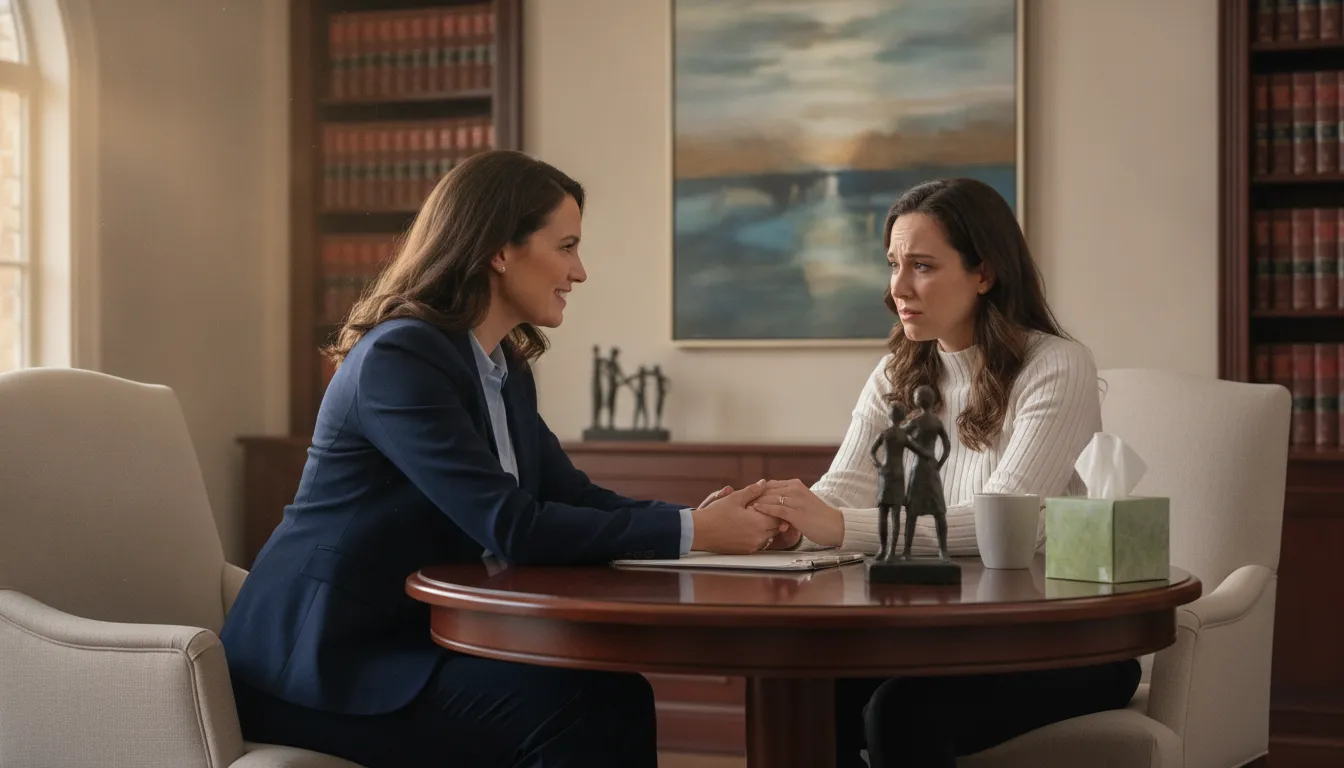
A free case evaluation is a no-cost, no-obligation conversation with an attorney about what happened, what harm you suffered, and whether the law may give you a path forward. It is designed to give you practical direction before you decide whether to hire a lawyer or pursue a claim.
Counsel Hound connects people with trusted attorneys from a nationwide network. When you request an evaluation, we review the basic details of your situation and help connect you with a lawyer who handles that type of case. The goal is simple: help you understand your options without upfront fees, sales pressure, or confusion about where to start.
A case evaluation is not a final ruling on your claim. The attorney may need medical records, contracts, photos, witness information, or other documents before giving a complete legal opinion. Still, the initial conversation can help you identify deadlines, preserve evidence, avoid mistakes, and decide whether your situation deserves a deeper legal review.
Start your free case evaluation today and learn whether an attorney in the Counsel Hound network may be able to help.
Why Request Your Evaluation Through Counsel Hound
- No upfront fees to start. The evaluation costs you nothing, and most attorneys in our network work on a contingency-fee basis — you generally pay nothing unless they recover for you.
- No obligation. There is never any pressure to hire an attorney after your evaluation. You decide whether to move forward.
- A vetted, nationwide network. Instead of sorting through billboards and TV ads, we connect you with a trusted attorney who actually handles your type of case.
- Confidential. The details you share are handled carefully and used only to assess your potential claim.
- Fast, human response. Tell us what happened and we work quickly to match you with the right lawyer — no runaround.
What Kinds of Cases Qualify for a Free Evaluation?
Many serious injury, abuse, consumer protection, and civil litigation matters may qualify for a free evaluation. Counsel Hound’s network includes attorneys who handle a wide range of practice areas, including:
- Personal injury: Car accidents, truck accidents, motorcycle crashes, premises liability, slip and falls, dog bites, catastrophic injuries, and wrongful death matters.
- Abuse litigation: Claims involving nursing home abuse, sexual abuse, institutional abuse, clergy abuse, negligent supervision, or harm to vulnerable people.
- Consumer fraud: Deceptive business practices, insurance bad faith, unlawful debt collection, securities fraud, and other financial misconduct.
- Defective products: Dangerous drugs, faulty medical devices, unsafe consumer products, recalled products, and manufacturer negligence.
- Medical injury: Medical malpractice, surgical mistakes, misdiagnosis, delayed diagnosis, birth injuries, medication errors, and hospital negligence.
- Toxic torts: Exposure to asbestos, PFAS, lead, contaminated water, dangerous chemicals, mold, or other hazardous substances.
- Whistleblower protection: False Claims Act matters, SEC whistleblower claims, government fraud reporting, and retaliation concerns.
If your personal injury happened in Alabama, you can get a free Alabama personal injury attorney referral through Counsel Hound’s network of local attorneys.
You do not need to know the exact legal category before reaching out. If your situation caused physical injury, financial loss, emotional harm, or another serious consequence, an attorney can review the facts and explain whether the claim may fit within an available practice area. You can also explore Counsel Hound’s practice areas to learn more about common case types.
How Does a Free Case Evaluation Work?
The process usually starts with a short intake. You provide basic information about what happened, when it happened, where it happened, who was involved, and what injuries or losses followed. This helps Counsel Hound understand the nature of your claim and identify the kind of attorney who may be the best fit.
- You submit your information. Share the key facts through the website or by contacting Counsel Hound. Include dates, locations, responsible parties, injuries, and any urgent deadlines if you know them.
- Your situation is reviewed. Counsel Hound considers the type of claim and works to connect you with an attorney who has relevant experience.
- An attorney discusses your options. During the evaluation, the attorney may ask follow-up questions, explain possible claims, identify evidence to preserve, and outline potential next steps.
- You decide whether to move forward. There is no obligation to hire the attorney after the evaluation. If the attorney believes the case may be viable, they can explain what representation would involve.
The evaluation is meant to be straightforward. You do not need a polished legal argument. You only need to explain what happened honestly and provide any documents that may help the attorney understand the situation.
How to Prepare for Your Case Evaluation
Good preparation helps the attorney understand your claim quickly. Before the call or consultation, gather any records that explain what happened and how it affected you. Helpful materials may include accident reports, medical records, photographs, videos, emails, text messages, contracts, bills, pay records, product packaging, recall notices, insurance letters, or names of witnesses.
You should also write down a simple timeline. Include the date of the incident, when symptoms or losses began, when you sought medical care, when you contacted an employer, business, insurer, or agency, and any deadlines or court notices you have received. A timeline helps the attorney spot statute-of-limitations concerns and missing evidence.
Prepare questions as well. You may want to ask whether similar cases have succeeded, what evidence matters most, how long the process could take, whether you may owe costs, and what compensation may be available. For a better sense of Counsel Hound’s process and attorney network, visit our approach or learn more about us.
Request a free evaluation when you are ready to speak with someone about your situation.
Is a Free Case Evaluation Really Free?
Yes. A free case evaluation through Counsel Hound does not require an upfront payment and does not obligate you to hire an attorney. The purpose is to help you understand whether your situation may support a legal claim and whether an attorney in the network may be able to help.
Many injury and civil litigation attorneys work on a contingency-fee basis. That generally means the attorney’s fee is paid from a recovery if the case succeeds, rather than billed upfront by the hour. Fee arrangements can vary by attorney and case type, so the evaluation is also an opportunity to ask exactly how fees and case costs would work before you sign anything.
You should never feel pressured to move forward before you understand the arrangement. Ask whether the attorney charges consultation fees, whether litigation costs are advanced, what percentage fee may apply, and what happens if there is no recovery. Clear answers at the beginning help you make an informed decision.
What Happens After the Evaluation?
After the evaluation, the attorney may recommend one of several paths. If the facts support a potential claim, the attorney may offer representation, request more documents, investigate further, or explain what evidence is needed before a decision can be made. If the case is time-sensitive, the attorney may also discuss immediate steps to protect your rights.
Sometimes the attorney may determine that the claim is not strong enough, the legal deadline has passed, damages are too limited, or another type of professional is a better fit. That answer can still be valuable. It helps you avoid wasting time and gives you clarity about what options remain.
If you decide to move forward, the attorney will explain the representation agreement, communication process, expected timeline, and next steps. You remain in control of whether to proceed.
Frequently Asked Questions
How much does a free case evaluation cost?
Nothing. The evaluation is completely free and comes with no obligation to hire an attorney. Most attorneys in the Counsel Hound network also work on a contingency-fee basis, which generally means you pay no attorney fee unless they recover compensation for you.
How long does a case evaluation take?
Most initial evaluations take 15 to 30 minutes, depending on the complexity of the situation and the documents available. More complex matters may require follow-up after the attorney reviews records.
How soon will I hear back after I request an evaluation?
We work to review your information and connect you with an attorney as quickly as possible. If your matter is time-sensitive — for example, an approaching legal deadline — note that when you reach out so it can be prioritized. You can also call 855-804-6863 to speak with someone right away.
What information should I have ready?
Have the basics on hand: what happened, when and where it happened, who was involved, and the injuries or losses that followed. Any documents you already have — accident reports, medical records, photos, bills, or correspondence — are helpful but not required to get started.
Do I need to bring a lawyer to the evaluation?
No. The evaluation is the point where you speak with an attorney about whether you may need representation. You can attend on your own and ask questions before deciding whether to hire anyone.
Does Counsel Hound help with cases outside Alabama?
Yes. While Counsel Hound is based in Birmingham, Alabama, our attorney network is nationwide. Tell us where your incident happened and we work to connect you with a qualified attorney in the right jurisdiction.
Will my information be kept confidential?
Information shared for a legal evaluation is handled carefully and used to assess your potential claim. Ask the reviewing attorney any specific confidentiality questions, especially if your matter involves abuse, employment retaliation, whistleblowing, or sensitive medical details.
What if I don’t have a strong case?
You can still request an evaluation. An attorney can explain why a claim may be difficult, what evidence could strengthen it, and whether another option may be available.
Get Your Free Case Evaluation Today
If you were injured, harmed by misconduct, exposed to a dangerous product or substance, or unsure whether you have a legal claim, a free evaluation can help you understand your next step. Counsel Hound connects you with experienced attorneys who can review your situation and explain your options.
No Fees Unless We Win
There are no upfront fees to start the conversation, and no obligation to move forward.
📞 Call 855-804-6863
Request Your Free Evaluation
Or text us anytime at 205-533-1968.